
In partnership with

Better than your last ED “solution”

Most ED meds handle blood flow. That's only half the job. Rugiet Ready™ is a 3-in-1 sublingual treatment that targets your brain and your body—because great sex starts with arousal, not just circulation.
Just drop it under your tongue and Rugiet Ready™ works in as little as 15 minutes and lasts up to 36 hours. No pills to swallow, no planning your night around pill timing.
Over 400,000 men have already made the switch and the reviews are borderline inappropriate (in a good way).
Try Rugiet Ready™ and find out what your body's actually capable of.

⚡ Quick Hits
🔥 inside tower of power's hardest groove with pete antunes
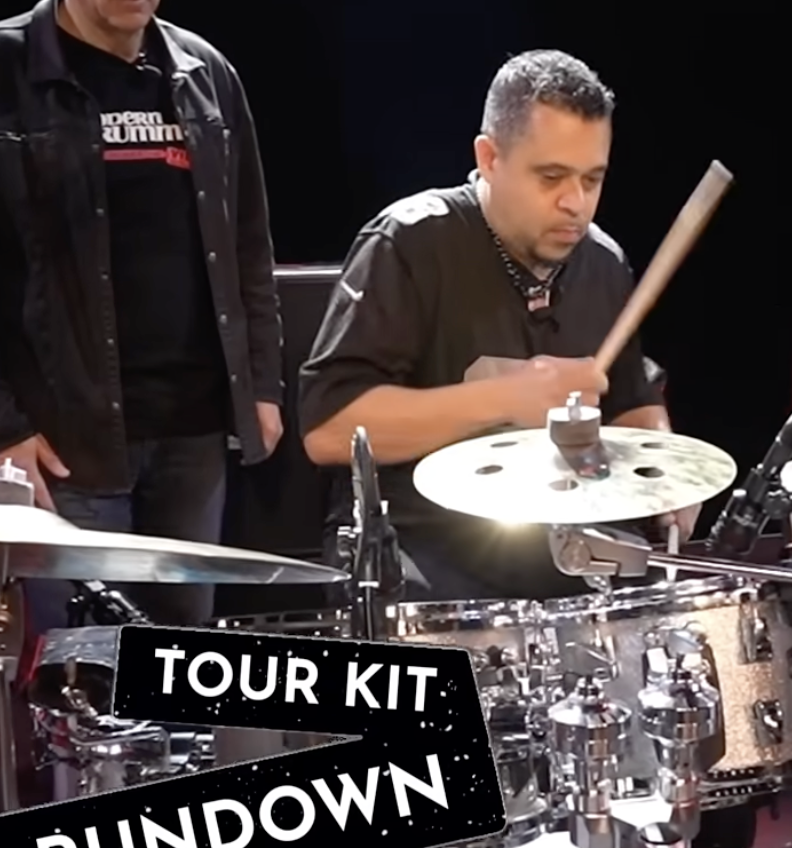
Pete Antunes pulls back the curtain on "Soul Vaccination," breaking down what it takes to occupy one of the most demanding thrones in drumming. Filmed backstage in November 2025 for Modern Drummer's Tour Kit Rundown with David Frangioni, the 49-second clip is a quick window into the engine room of Tower of Power. Worth the minute for anyone who has ever tried to lock into that groove.
🌍 tears for fears cover gets the ash soan pocket treatment
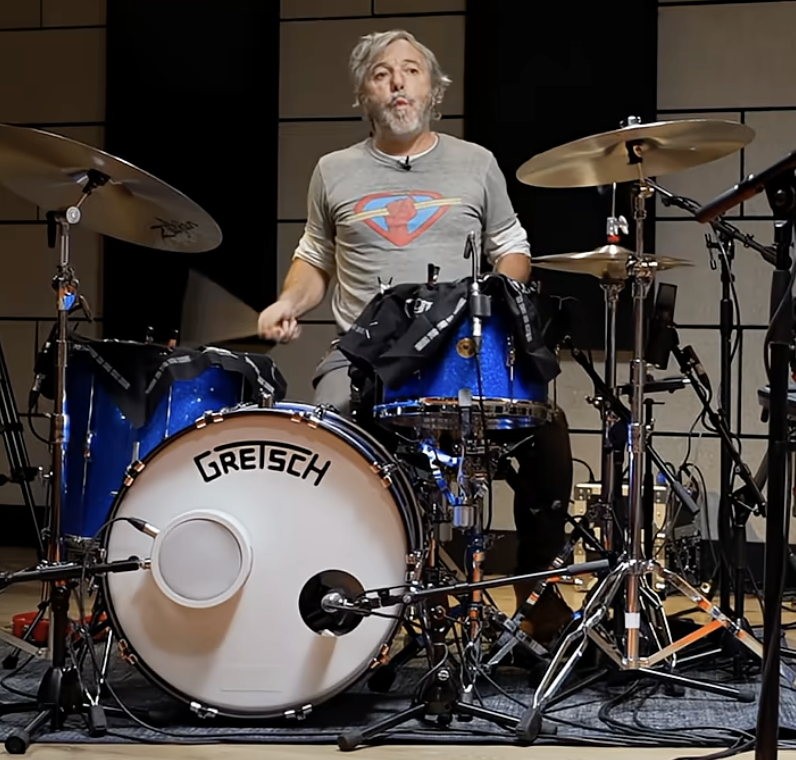
Ash Soan and Ariel Posen take "Everybody Wants To Rule The World" and strip it back to feel and conversation, with the UK's top-selling session drummer dropping into a pocket so deep it makes the Tears for Fears original sound restless. In under two minutes, Soan delivers a masterclass in restraint, proving phrasing and tone outrank flash every time.
🎺 stanton moore's filthy second-line pocket at pasic 50
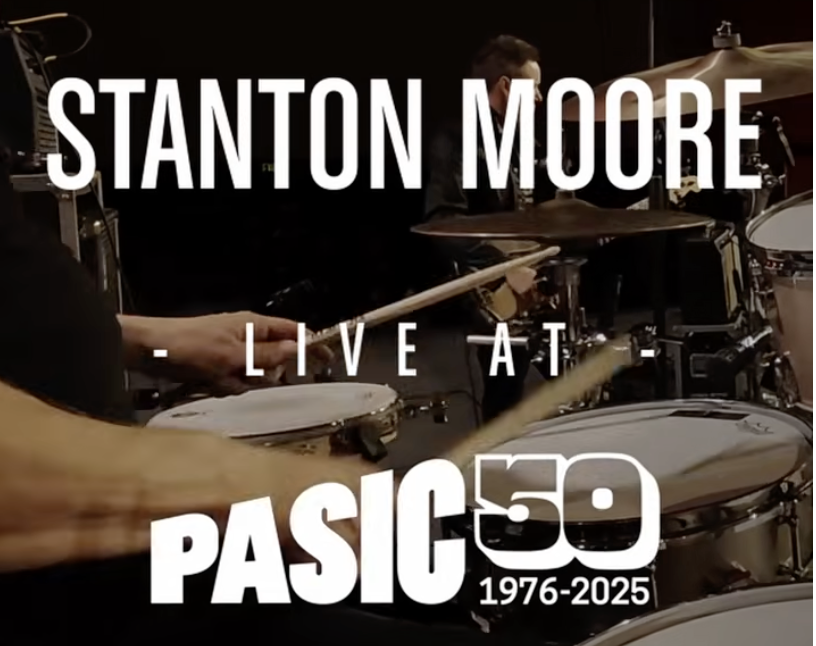
Stanton Moore tears into "Go Down" with the Big 6 Brass Band at PASIC 50, a 45-second blast of New Orleans pocket caught from behind his Gretsch kit. The groove is filthy in the best way, with Moore leaning into that second-line swagger while the horns pile on top. Gretsch posted the clip; the full performance lives on their channel.
🛒 Gear Picks
🎤 42 drum mics, one shootout: what actually earns a spot
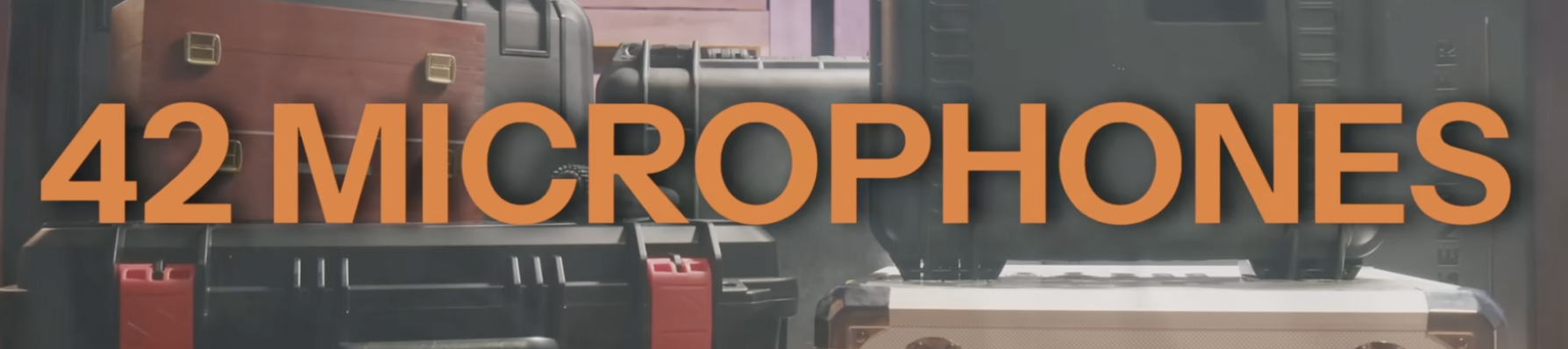
Dimitri Fantini lined up 42 drum microphones for a head-to-head shootout, working through the Chuck Levin's pack to figure out which capsules actually earn their place on a kit and which ones blur into the pile. It's the kind of obsessive comparison most of us never get to run ourselves, with kick, snare, tom, and overhead options all cycled through the same source so the differences come down to the mics, not the room or the player.
If you're piecing together a first serious mic locker or trying to justify an upgrade from the budget bundle that came with your interface, this is a useful reference point before you spend. Worth scrubbing through with the product list open in another tab.
🎤 presonus dm-7: a 7-mic kit for your whole kit, now 10% off
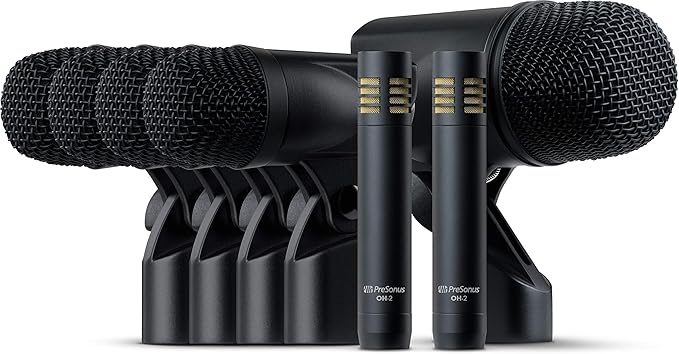
PreSonus packs a full seven-piece kit into the DM-7, currently 10% off its typical street price. You get a BD-1 cardioid dynamic for kick or bass cab, four ST-4 dynamics with adjustable rim mounts for snare and toms, and a pair of OH-2 small-diaphragm condensers for overheads and hats, all tucked into a hardshell case.
The rim-mount design is the quiet hero here, killing the forest of boom stands that usually clutter a tracking room or small stage. For drummers stepping into multitracking their own kit, or anyone building out a first live-sound mic locker without raiding the rent money, it's a sensible all-in-one starting point that leaves room to upgrade individual pieces later.
🌊 Deep Dives
🎤 inside ben sharp's yungblud drum cam from munich
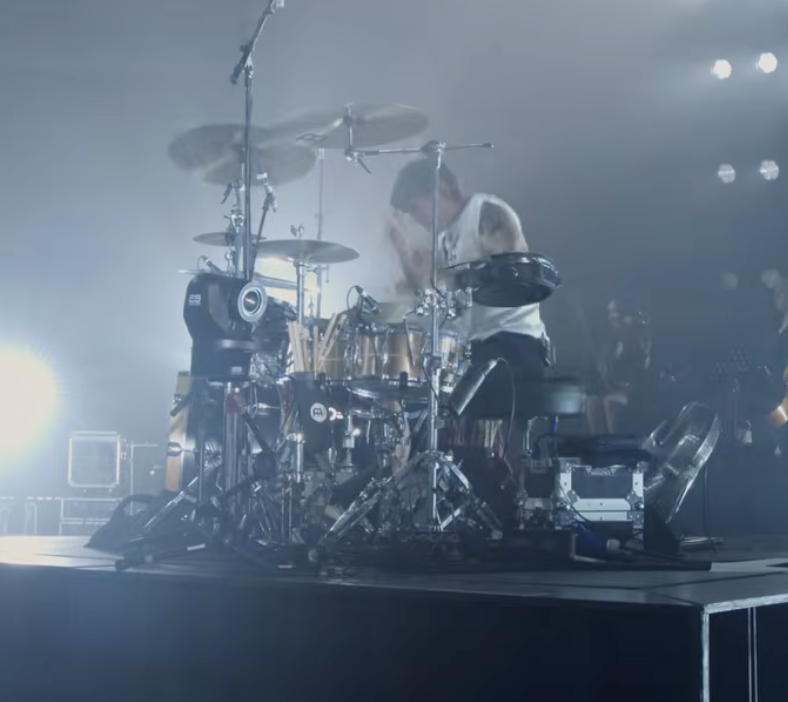
Ben Sharp's drum cam from Yungblud's October 14, 2025 stop in Munich is a clean look at how a modern arena rock kit gets voiced for dynamics. "Hello Heaven, Hello" sits in that big anthemic lane, and Sharp's Meinl setup leans into it with eight cymbals doing very specific jobs, from a 22" Byzance Foundry Reserve Ride down to a 10" Dual Splash, plus Benny Greb Crasher Hats and Anika Nilles Deep Hats stacked in for texture.
What makes the seven minutes worth sitting with is watching where he chooses each voice in the arrangement. A 21" Polyphonic Ride crashed instead of rode, a 19" Medium Thin next to a 19" Polyphonic — the small decisions add up to the song's lift.
⚔️ portnoy, lombardo, carey: 10 drum battles between legends
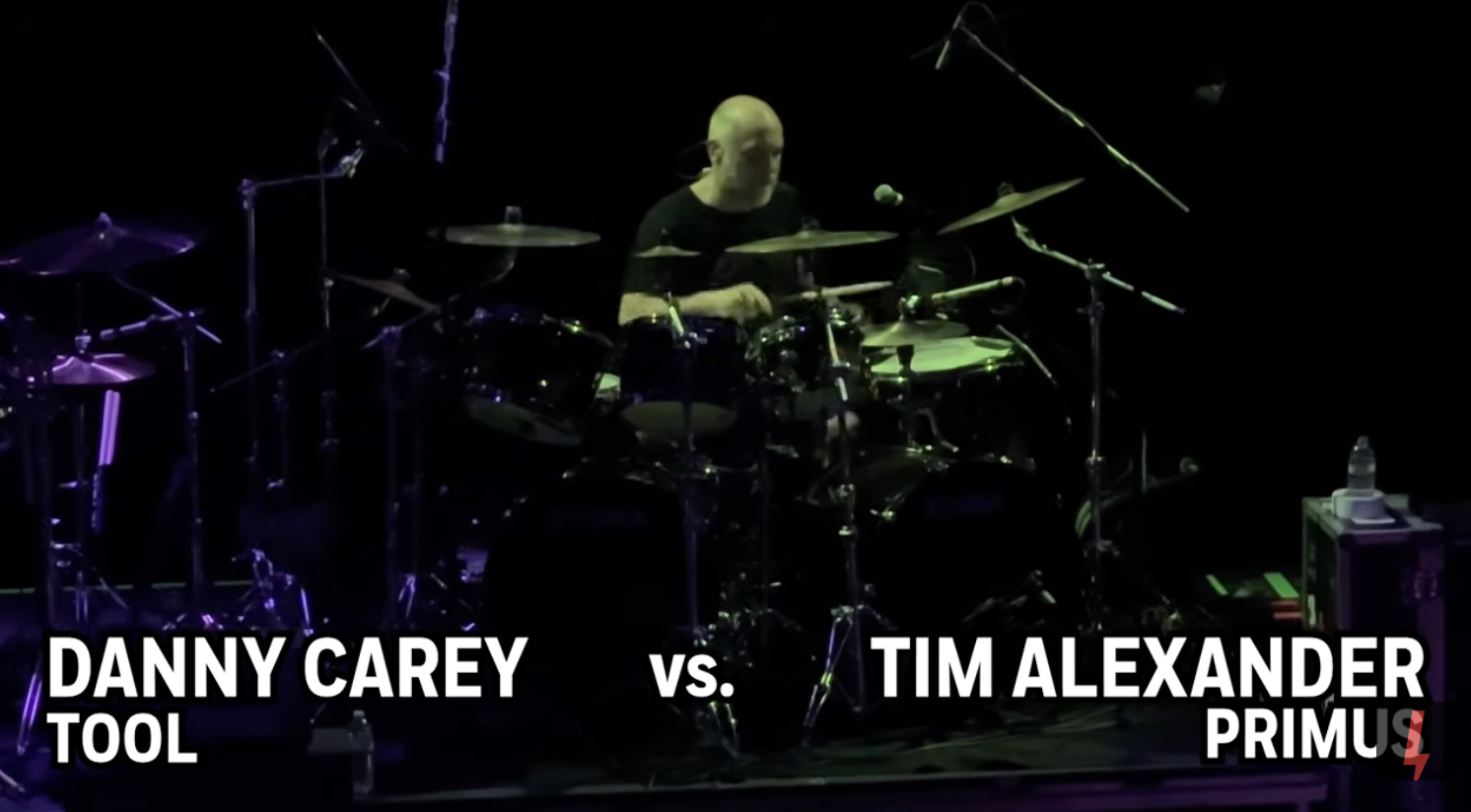
Mike Portnoy, Dave Lombardo, and Danny Carey trading blows on the same reel is the kind of fantasy booking that only a clip compilation can deliver, and Loudwire spends a little over eight minutes lining up ten of these head-to-head moments for inspection. It's a fun watch on its own terms, but the real value for drummers is in the comparisons: how Lombardo's right foot reads against Portnoy's prog footwork, how Carey's odd-meter calm sits next to more bombastic players, how phrasing and dynamics separate technicians from showmen when the playing field is level. Treat it less as a winner-takes-all bracket and more as a side-by-side study reel of how very different vocabularies hold up under the same spotlight.
🎓 Practice & Skills
🎯 why self-taught drummers stall — and the stroke fix sari kujala swears by
Sari Kujala has a diagnosis for self-taught drummers who have logged the hours but still sound rough: it isn't your chops, it's your stroke control and your timing. In about seven minutes she argues that grinding rudiments alone won't fix it, and that the fix lives in how cleanly you can shape each note's height, weight, and placement.
The core exercise she opens up is a five stroke roll played as triplets, then converted to straight time, with the down, up, and tap strokes deliberately separated. The idea is simple: a down stroke starts high and ends low, an up stroke starts low and ends high, and a tap stays low. When ghost notes sound inconsistent or accents feel mushy, it's almost always because those stick heights are drifting. Film your hands from the side and watch the stick tips, not your face. Start slow enough that you can actually see each stroke land where you intended, then push the tempo only when the heights stay honest. Loop it as triplets first so the accent rotates through the hand, then flip to straight sixteenths and keep the same control. Don't chase speed, and don't let the metronome become wallpaper; play to it like a duet.
The takeaway: pros don't sound pro because they know more rudiments, they sound pro because every stroke is the height and volume they meant it to be.
🦶 your fills are missing the kick — 5 fixes inside
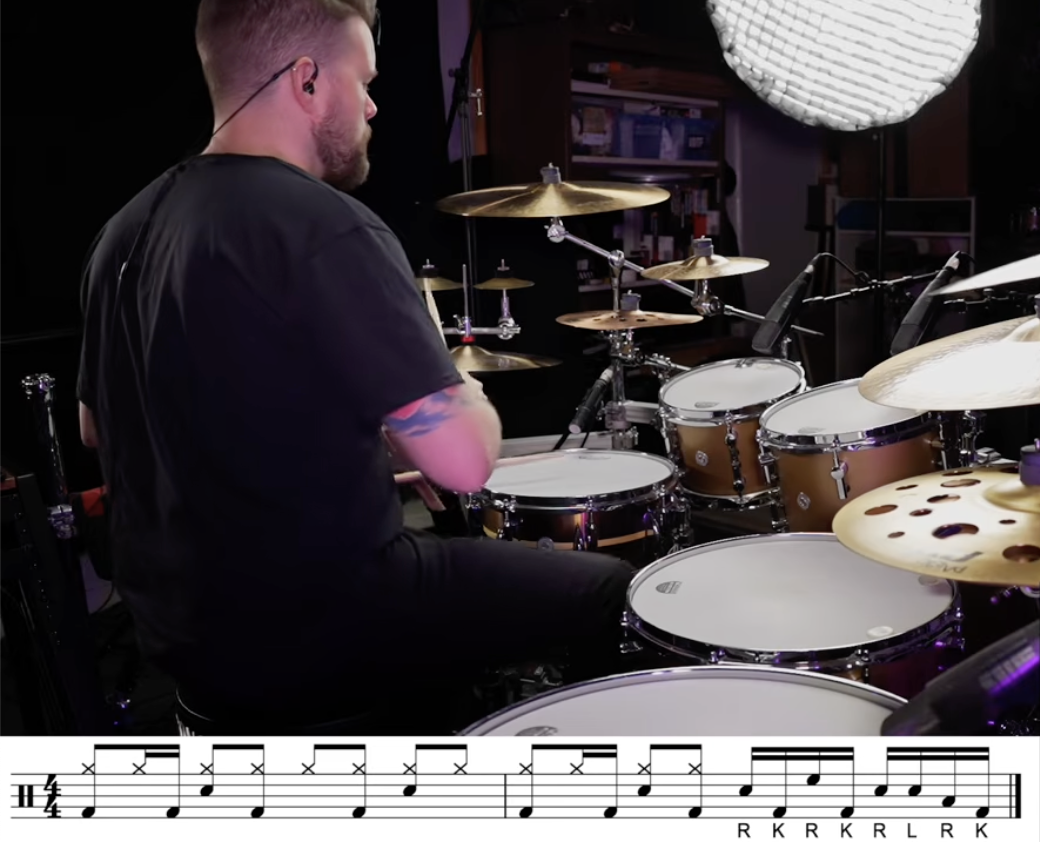
That Swedish Drummer's latest lesson tackles a blind spot most players have around the kit: your fills probably live on your hands. Add the bass drum and they get bigger, heavier, and grooveier instantly. Walk away from this one understanding how kick integration changes the weight and phrasing of a fill, plus five specific patterns to drop into your vocabulary today.
The lesson runs through five concepts, each opening a different door. "Fat Boone Debbie Boone" is the warmup idea, layering kick under a hand pattern so the fill lands with more body. The 3-3-2 reframes a phrasing you already know as a fill, with the foot carrying part of the grouping. "The Leg Warmer" leans on the kick to develop coordination and stamina between hands and foot. "Busy Bonham Triplets" is the obvious flex, triplet fills with kick interwoven the way Bonham did it on tunes like "Good Times Bad Times." Closing out, the herta and ruff variations show how a quick kick placement can sharpen those rudimental shapes around the toms.
Practical approach: pick one fill, set the metronome slow enough that your foot and hands lock cleanly, then bring it up. Isolate the kick part first if the coordination feels sloppy. The common mistake is letting the bass drum get quiet or late, which kills the whole point. Loop a simple groove for three bars and drop the fill in the fourth so you're practicing it in context, not as an isolated exercise. Your fills should hit the room, not just the snare.
🧠 why your paradiddles stall at 120 bpm
A drummer on r/drums is ready to quit because their paradiddles still fall apart above 110 bpm and their left hand looks, in their words, "all over the place." It is the most relatable practice room crisis there is, and the fix is almost never more hours. It is better hours.
If your weak hand is flailing at 120, the speed is not your problem, the diagnosis is. Park the metronome at 60 and play singles with just your left hand for five minutes, watching the stick height and the rebound. Most stalled paradiddles are actually broken doubles in disguise, so isolate RLRL and LRLR doubles before you ever string the full RLRR LRLL together. When you add the paradiddle back, accent only the first note of each grouping and let the other three stay low and quiet. That accent and tap dynamic is the rudiment. Without it you are just playing sixteenth notes with a weird sticking. Bump the tempo two clicks at a time, and the moment your left hand tightens or the sound gets uneven, drop back ten clicks and stay there for a full song. Record a thirty second clip on your phone once a week so you can actually hear the progress your ears miss in real time.
The takeaway: practicing for hours at the tempo where it sounds bad just teaches you to sound bad faster. Slow down, fix the left hand alone, and let the accents do the work.
That's it for today! Thank you for carving out time to read! I'm grateful you're here. 🙏 If you'd like to support the newsletter, consider joining our premium tier.
If you have feedback, a story, or something you'd love to see in the newsletter, just reply to this email. I read every message and respond to each one.
Happy drumming,
Matteo