
Sponsored by

You don't need to be technical. Just informed.

Most AI newsletters are written for engineers. This one isn't.
The AI Report is read by 400,000+ executives, operators, and business leaders who want to know what's happening in AI — without wading through code, jargon, or hype.
Every weekday, we break down the AI stories that matter to your business: what's being deployed, what's actually working, and what it means for your team.
Free. 5 minutes. Straight to the point.
Join 400,000+ business leaders staying ahead of AI — without the technical overwhelm.
⚡ Quick Hits
💪 a left-hand workout to fix your weaker side
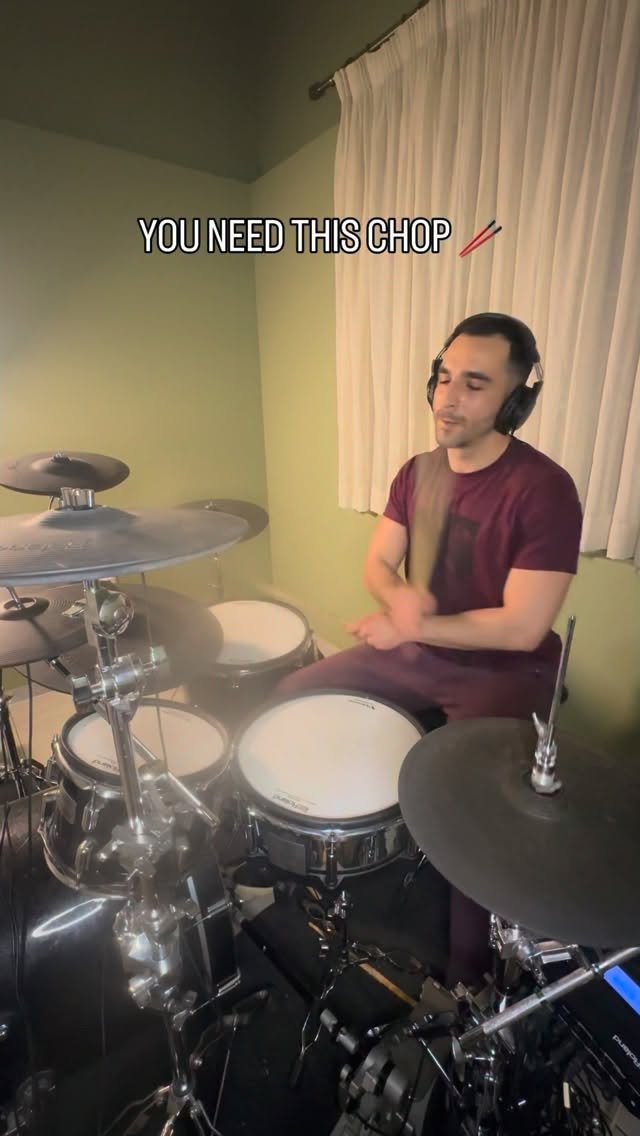
@Jason Fekas
Jason Fekas drops a quick left-hand workout aimed at evening out your weaker side, soundtracked by Odeholm Audio and tagged squarely in gospel-chops territory. It is the kind of bite-sized practice idea you can take straight to the practice pad before your next session. File under: things to loop while your coffee brews.
🔊 entheos' navene koperweis rips a 120bpm improv on stacks and chinas
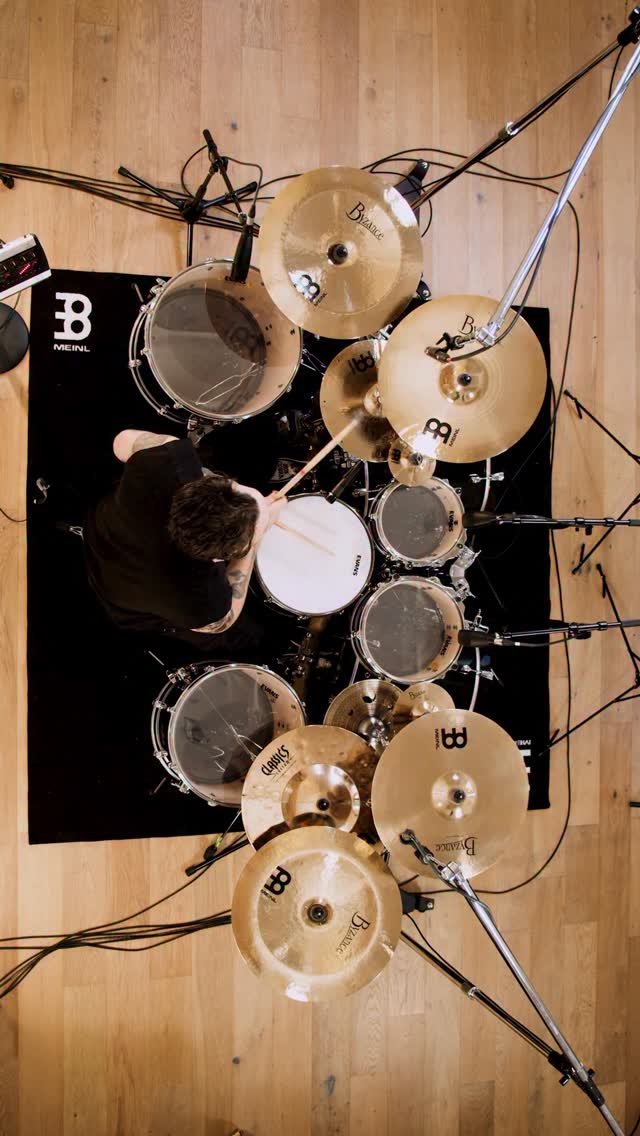
@Meinl Cymbals
Navene Koperweis (Entheos) rips an improv solo at 120bpm across a Byzance Brilliant heavy setup, including a 12" Pure Alloy Custom Trash Stack and an 18" Classics Custom Extreme Metal Big Bell Ride. The Meinl Cymbals reel showcases tight stack accents and china punctuation in a compact format.
🛒 Gear Picks
🛠️ pearl's new folding rack squeezes a full kit onto tiny stages
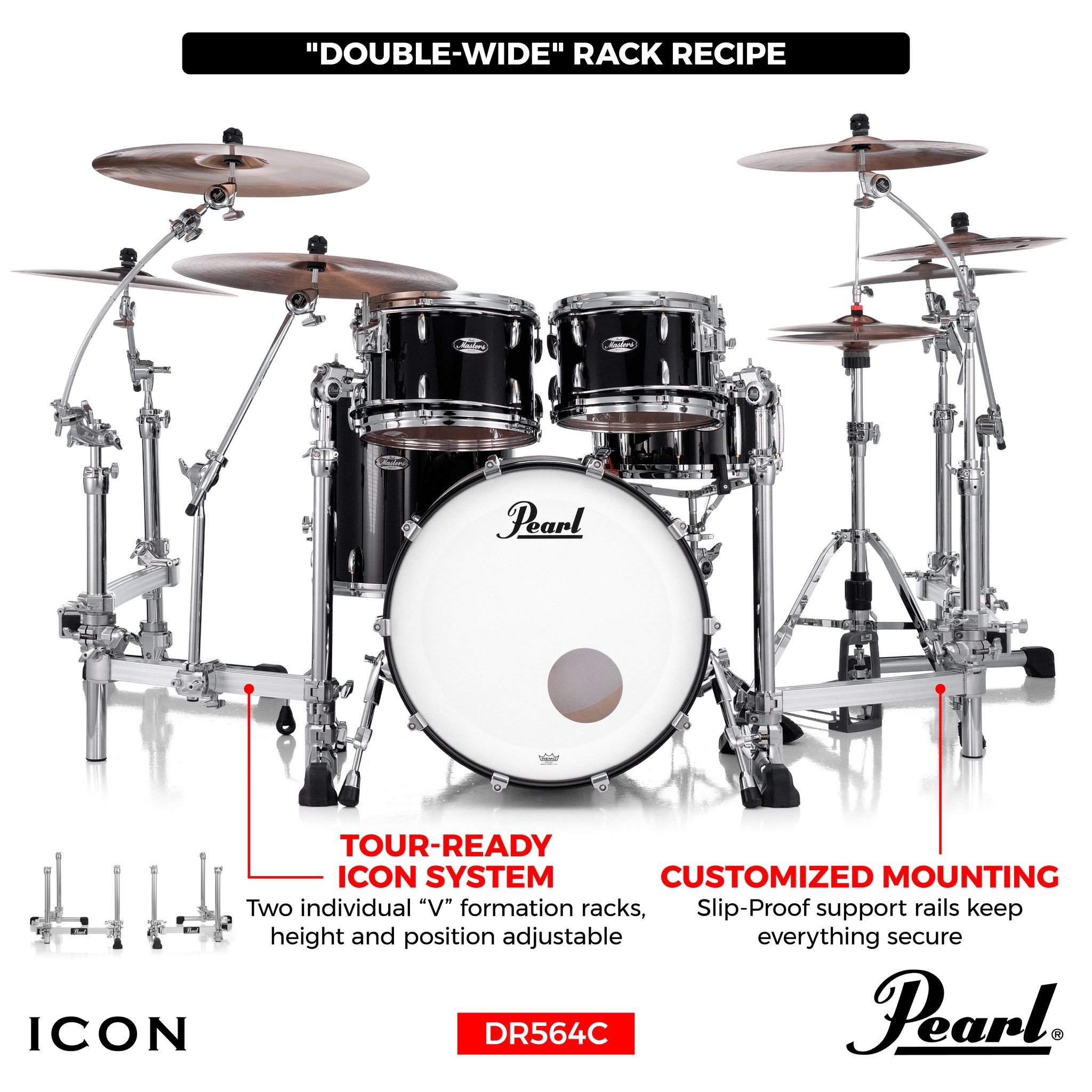
@Pearl Drums Global Official
Pearl's new ICON support systems target a very real problem: getting a full kit into tight stages and cramped rehearsal rooms without sacrificing stability. The headliner is the DR-564C "Double Wide," a twin low-rise folding rack with curved side wings that hugs the kit closer to the throne and folds flat for transport. It's one of three artist-designed configurations in the launch, all aimed at faster load-ins and tighter footprints.
If you've ever wrestled a traditional rack up a club staircase or tried to fit one on a postage-stamp stage, the appeal is obvious. Curved sides keep cymbal arms and toms within easy reach, the low-rise stance plays nicely with shorter sightlines, and the folding design means setup and teardown stop eating into your soundcheck.
🤫 Evans Mute Pack is on sale right now
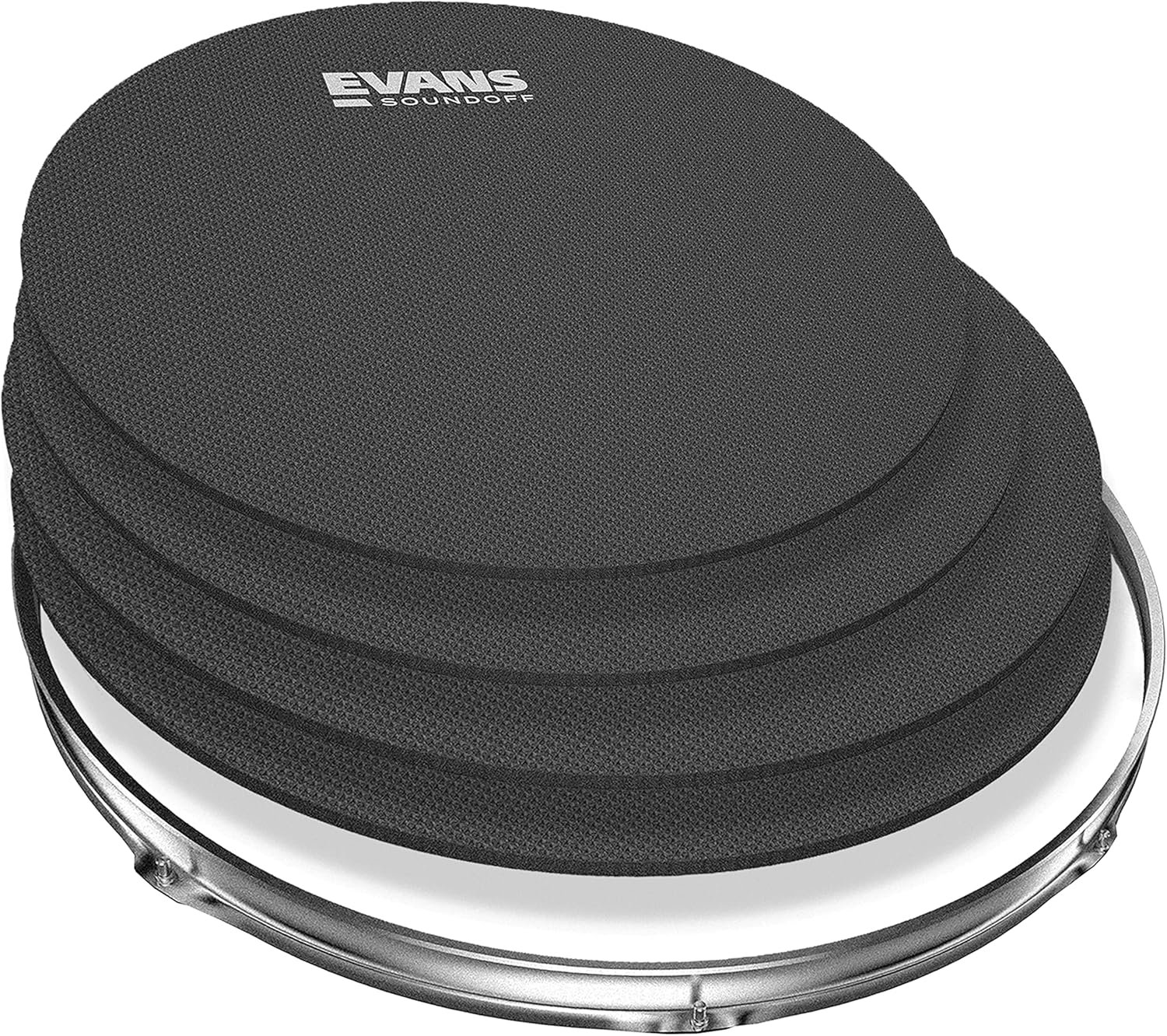
Evans SoundOff Drum Mute Pak is the unglamorous workhorse that keeps acoustic kits playable in apartments, late-night basements, and houses with sleeping kids. The standard four-pack covers a 12, 13, and 16 inch tom configuration plus a 14 inch snare, sitting directly on the heads to deliver a claimed 95 percent volume reduction while preserving enough rebound to actually practice rudiments and chops, not just tap through them.
At $42.99 it is the cheap insurance policy that lets you keep your real kit in rotation instead of caving to a mesh setup. Worth noting from longtime users: the rubber gives off a strong chemical smell out of the box, so air them out for a few days before bringing them into a bedroom or nursery.
🌊 Deep Dives
🔊 klueworld's trashy cymbal stacks turn the zildjian foundry into a lesson in orchestration
Klueworld takes over the Zildjian Foundry for "Heaven's Judgement," a five-and-a-half-minute performance that doubles as a tour through one of the more adventurous cymbal setups you'll see this week. The stack pairs 14" K Custom Fat Hats and an 18" K Light Ride with a chaos shelf of 10" FX Trashformer, 11" FX Trash Splash, and a 10" K Custom Special Dry Splash, with an 18" K Sweet Crash and 18" A Custom Crash filling out the mids.
Sit with this one for the orchestration. The Foundry's room sound exposes every articulation, and Klueworld uses the trashy stacks as punctuation rather than ornament, which is the real lesson buried inside a gear demo.
🥁 From the archives: phil collins; the singer who was always a drummer first
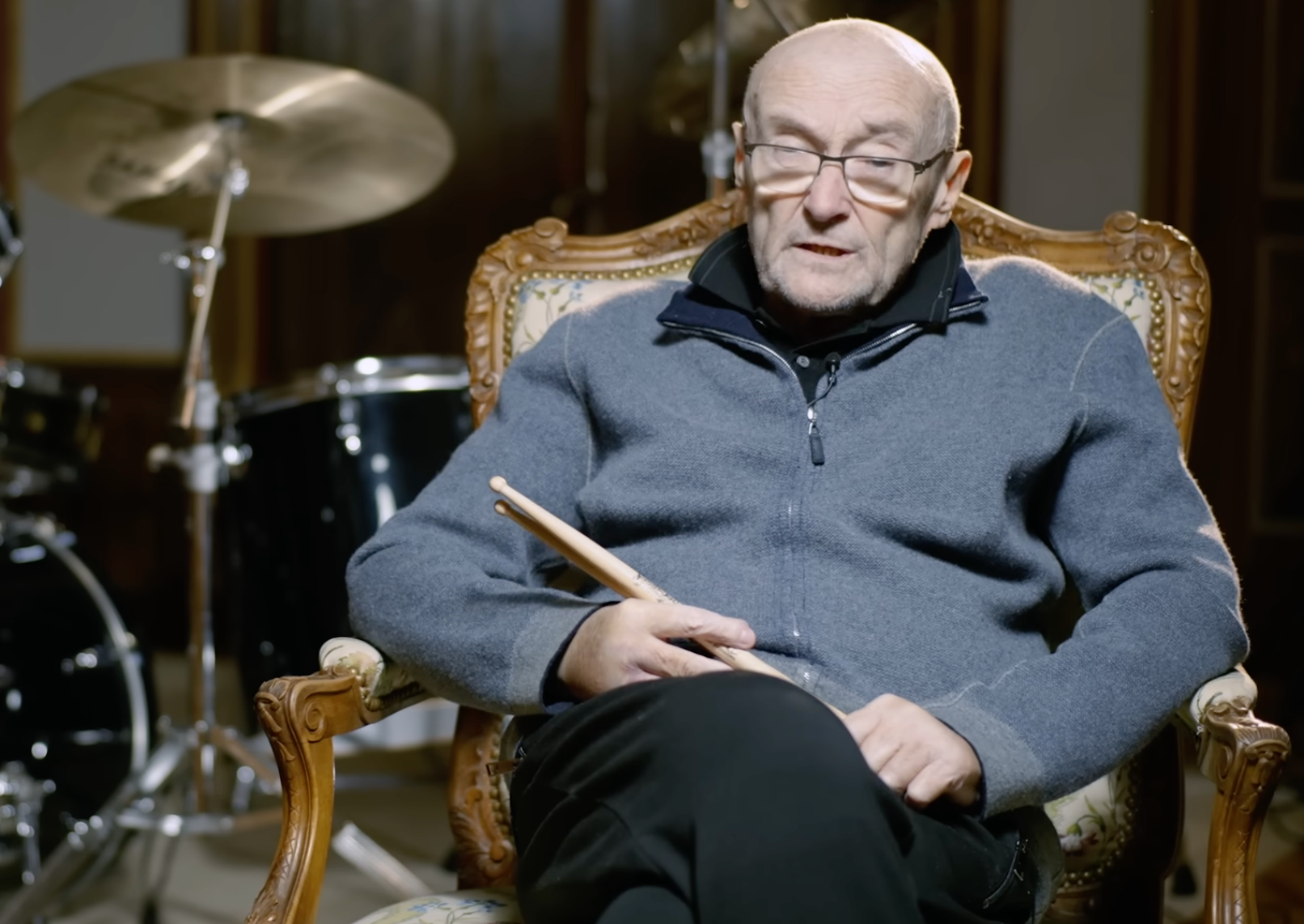
Phil Collins put it best: "I'm not a singer that plays a bit of drums; I'm more of a drummer that sings a bit." Drumeo's profile leans all the way into that thesis, tracing the path from the Genesis kit to the iconic gated reverb era and the moments where his playing, not his voice, defined the song. With nearly 5.8 million views, it has clearly struck a nerve with players who grew up hearing him on the radio without realizing how deep his chops actually run. Sit with this one. It is a useful reminder that some of the most recognizable drumming on the planet came from a guy the world mostly remembers for singing.
🎓 Practice & Skills
🎹 ditch the click: loop two chords, write three feels
A drummer shared a practice trick worth stealing: instead of grinding stickings to a click, loop a short two to four bar synth bed and treat it as a dynamic metronome. You walk away with a way to turn rudiment reps into actual music, and a low stakes onramp into writing parts.
Here is how to run it today. Open whatever you have, a phone synth app, a loop pedal, even a free DAW, and record two chords over two to four bars. Now loop it and play to that instead of a click. Write one pass with a half time backbeat, another with a busier ghost note feel, another in straight eights with the sticking pattern you have been drilling. Same loop, different feels. The chords give your phrasing somewhere to land, so a paradiddle around the kit suddenly has to mean something instead of just existing. A common trap: noodling for twenty minutes without committing to a part. Set a rule, three loops, three written parts, then move on. If you do not play a melodic instrument, even fumbling out two chords starts building an ear for harmony and song length, which pays off the next time someone hands you a chart or a demo.
Takeaway: a two chord loop and ten minutes of intent will do more for your feel than another hour with the metronome.
🦶 the bonham single-foot trick nobody could copy
John Bonham built some of rock's most thunderous bass drum parts with a single right foot, and Drumeo's new short uses that fact as a launchpad into five single-pedal concepts pulled from Bonham, Keith Moon, and Bill Ward. Watch it and you'll come away with a clearer picture of how the giants of classic rock got so much momentum, swing, and authority out of one kick foot, no double pedal required.
The big idea: your right foot is a musical voice, not just a metronome. The lesson opens up fast single-foot doubles (the "Bonham triplet" territory), endurance under sustained eighths, threading the kick into fills, longer bass groupings that push a groove forward, and locking the foot into a swung feel. To work on this today, start slow. Set a click around 70 to 80 bpm and play right hand on the ride, snare on 2 and 4, and try clean kick doubles on the "and" of beats. Keep your heel relaxed and let the beater rebound. Common mistake to avoid: burying the beater and tensing your shin. You want bounce, not force. For the swung feel, loop the verse groove of "Fool in the Rain" or the intro to "Good Times Bad Times" and chase the feel, not the transcription.
One foot, played with intention, can carry a whole band.
That's it for today! Thank you for carving out time to read! This community means a lot to me, and I'm grateful you're here. 🙏
If you have feedback, a story, or something you'd love to see in the newsletter, just reply to this email. I read every message and respond to each one.
Happy drumming,
Matteo