
⚡ Quick Hits
⚡ kristina schiano crams 10 emo anthems into 30 seconds
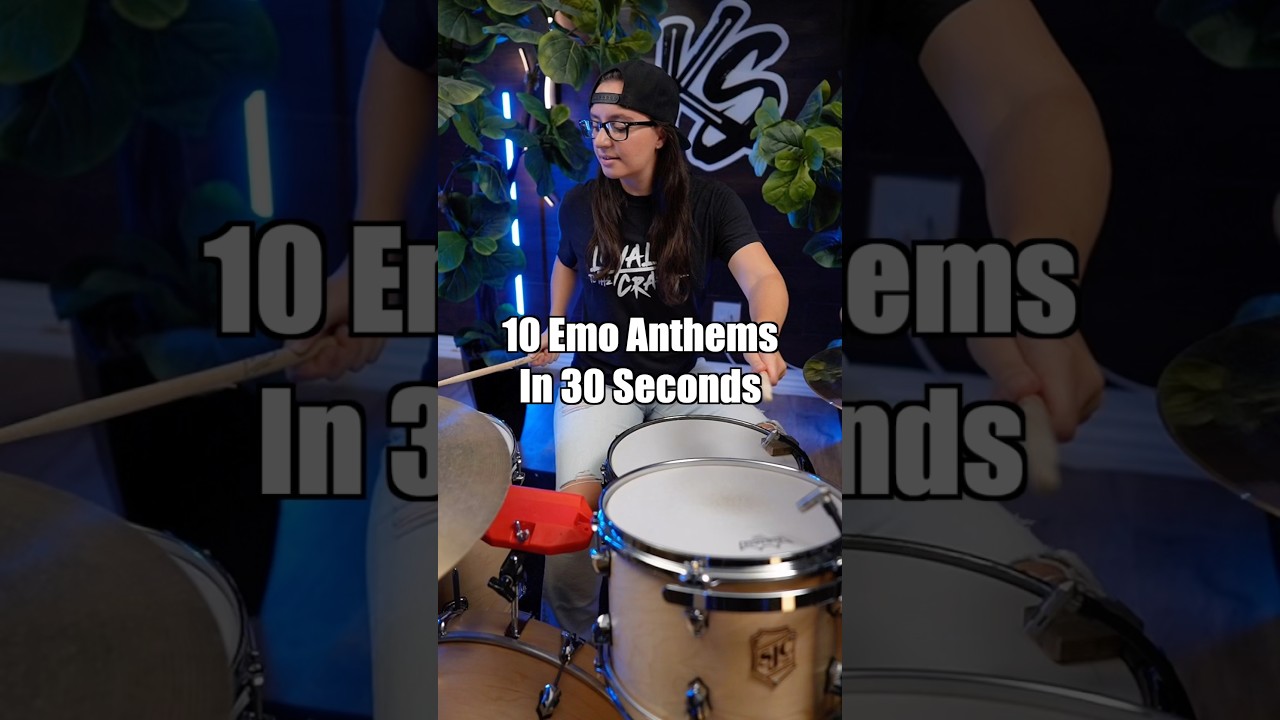
Kristina Schiano rips through ten songs in thirty seconds, a rapid-fire medley that doubles as a preview of her upcoming Emo Night Karaoke dates (8/28 in NY, 10/3 in NJ). It's the kind of chaotic, name-that-tune reel that rewards a second viewing just to catch which fills belong to which anthem. Worth 44 seconds of your scroll.
⚡ thomas lang's 37 seconds of controlled chaos at dorset

Thomas Lang turns up in part 7 of Drum Dog's Dorset Drum Festival series, and 37 seconds is about all you need to remember why his clinic work gets talked about the way it does. It's a quick window into his festival set, the kind of controlled chaos that reads as effortless until you try to play along. Worth the tap.
🛒 Gear Picks
🎯 the tom heads that killed gideon waxman's moongel stash

Gideon Waxman has found a new go-to for his toms: Evans HD Dry. In a 29-second demo, he calls the sound punchy, controlled, and clean, and says the short sustain means he doesn't need to reach for any extra muffling. Skip the moongel, skip the wallets, tune them up and go.
If you've been chasing a focused studio-ready tom tone without piling gel on your heads, this quick side-by-side is worth the half minute. Waxman speaks pretty highly of the result, which is saying something from a player who tests a lot of heads on camera.
🔧 evans' $85 box refreshes your snare in one shot

Evans has bundled the fussy parts of snare maintenance into a single box, and the 14-inch Snare Drum Tune Up Kit is a genuinely useful shortcut. You get an HD Dry batter with those perimeter-drilled dry vents and a 2mil overtone control ring on the underside, a clear 3mil resonant head, and Blaster Series medium-gauge snare wires for a bit more presence under the stick.
The extras are what push it past a routine head swap: EQ Pods for on-the-fly overtone taming, lug lube, metal polish, a cloth, and a pair of ProMark Rebound 5A sticks.
🌊 Deep Dives
🎹 gadd's fast montuno masterclass, straight from the archives

Steve Gadd tears through a fast montuno with Jorge Dalto on piano and Eddie Gómez on bass. It's four minutes of the trio locked in, and it's the kind of footage drummers keep coming back to for a lesson in sitting inside Latin phrasing without over-playing it.
Watch how Gadd threads the clave through his ride pattern and lets the toms answer Dalto's comping instead of stepping on it. Hudson pulled this one from the archives, and it still holds up as a study in feel, restraint, and letting a groove breathe at tempo.
🎓 Practice & Skills
✨ steal this one-bar fill from connor denis
@Vic Firth
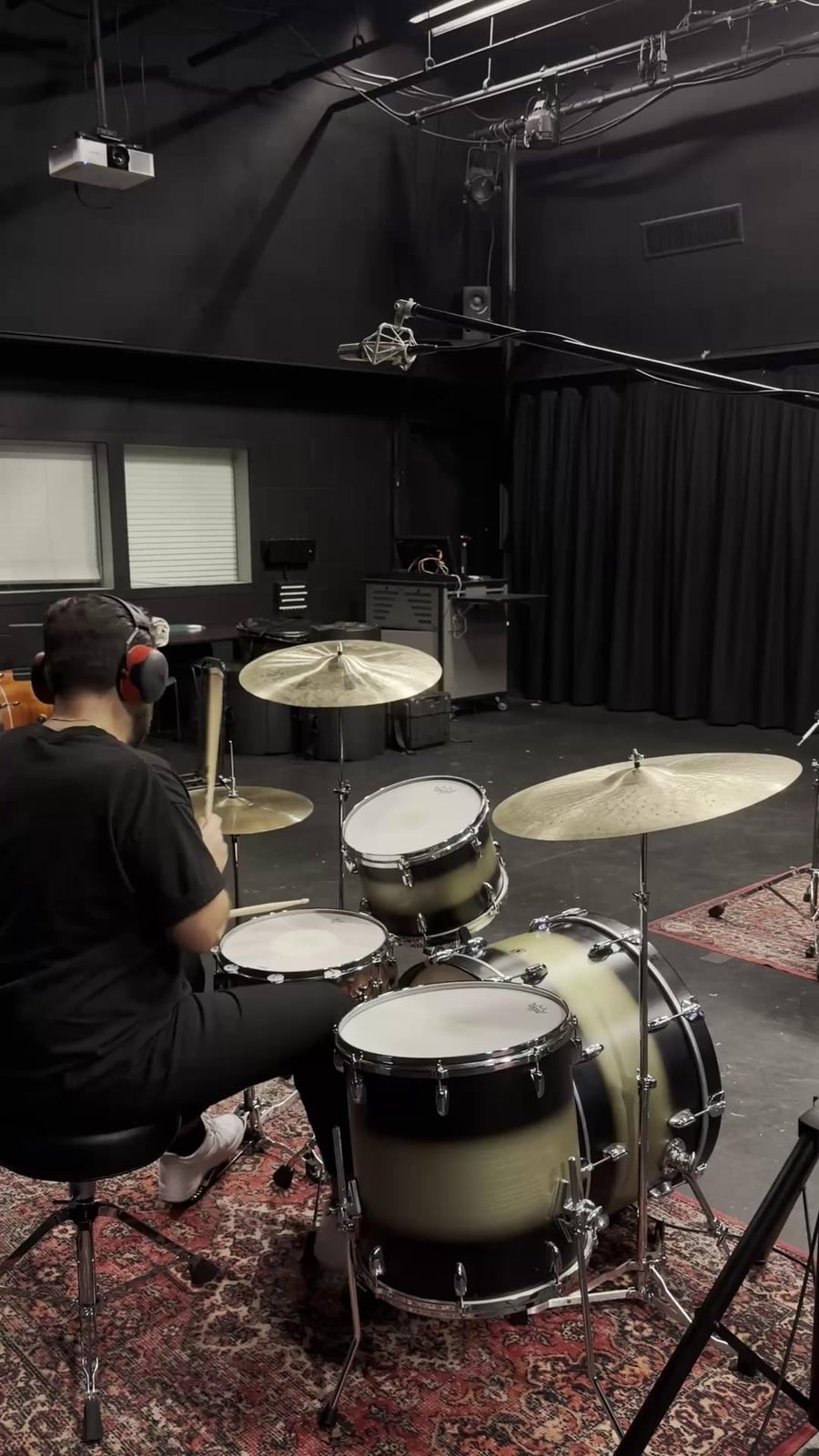
Connor Denis dropped a quick Vic Lick on Vic Firth's feed, and it's the kind of short, punchy fill that's worth stealing for your next set. The lesson here is less about copying the exact sticking note for note and more about how a well voiced one bar fill can hit harder than a busy four bar blowout.
Pull up the clip and watch it three times before you touch a stick. First pass, listen for where the accents land. Second pass, watch his hands and figure out which voices he's moving through — snare, toms, and where the bass drum locks in. Third pass, sing it. If you can sing the fill, you can play it. Then take it to the kit at a tempo well below the video, maybe 70 or 80 bpm, and loop three bars of time into the fill so it lives in a musical context instead of floating in isolation. The common trap with lick style fills is treating them as party tricks. They only sound slick when they resolve cleanly back to beat one, so drill the landing as much as the fill itself. Once it feels natural, bump the tempo in five bpm steps and try it in a tune you're already gigging.
Steal the phrase, learn the shape, own the landing.
✋ why ralph rolle never crossed his hands in 48 years
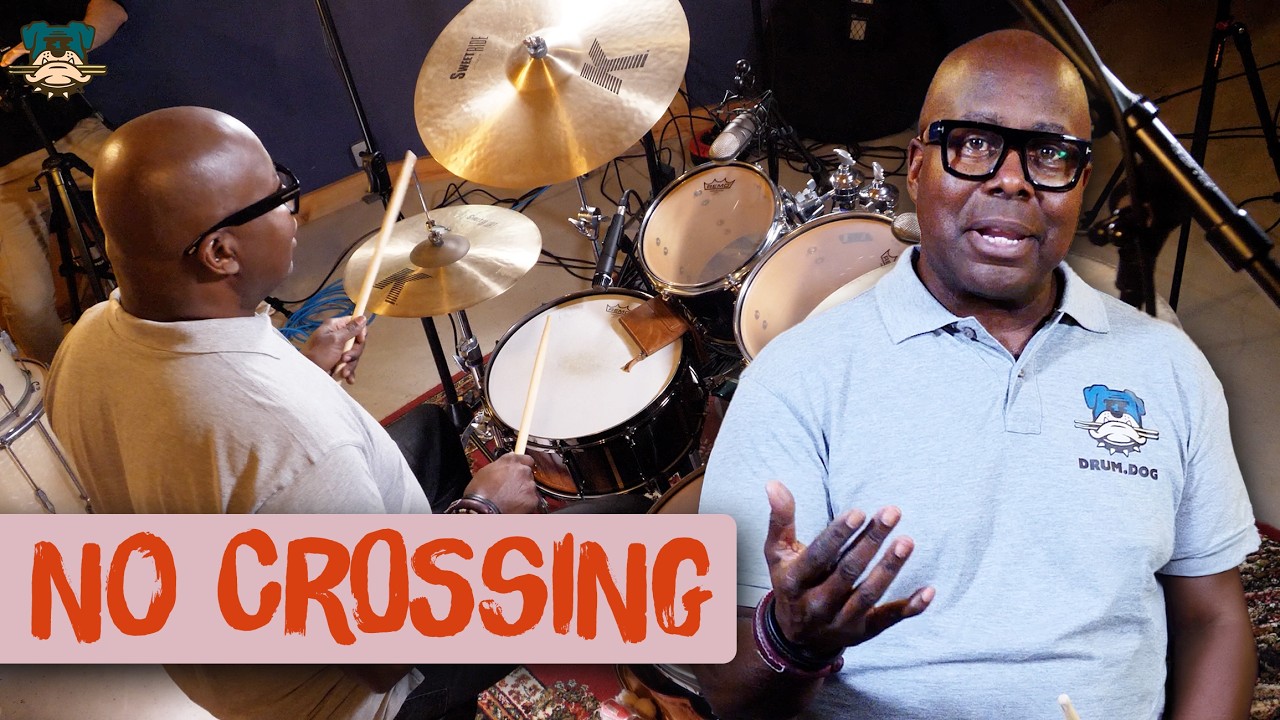
Ralph Rolle traces open hand drumming back to a small Bronx bedroom, where a left-handed kid was told never to flip his brother Howie's right-handed kit around. Decades later, he's still reaching across: ride with the right, hi-hat with the left. In this Drum Dog lesson he explains why that 'workaround' is actually the path of least resistance, and by the end you'll understand what open-handed playing buys you and have a starter groove to try today.
The core idea, as Howie eventually spelled out for him: if your hands never cross, they never fight each other. You can float around the kit while holding a groove, and you free up your body for things like working a drum pad or singing percussion live, which is exactly what Ralph does with Nile Rodgers. He's careful to point out this isn't the one true way. Simon Phillips, Dennis Chambers and Steve Gadd all live here, and plenty of crossed-hand greats do the same work from the other side. It's a versatility play: the more you can do, the more you work. To try it, uncross your hands, put the lead hand on the hi-hat on your natural side, and build the groove the way Ralph does in the demo, hats first, then snare on 2 and 4, then kick, then the tom pattern on top. Start slow, resist the urge to cross back when it feels awkward, and pick something simple like 'She Loves You' to lock it in.
Lose the anxiety, add a tool to the kit.
🧠 the mental trick that makes pros look effortless

Sari Kujala's latest lesson digs into a question every drummer has asked while watching a pro: why does it all look so easy? Her answer is not talent or reps alone. It is anticipation. Great drummers know where their hands are going before they get there, and that mental head start is what reads as effortless on the outside.
The core idea is simple. Movement creates flow. When you commit to where the next note lives on the kit before your stick leaves the previous drum, your body stops fighting itself and the fill starts to breathe. Stiff, awkward fills usually are not a chops problem. They are a planning problem. Try this today. Pick a basic four note fill you already know cold, something like snare, snare, tom, floor. Play it at a comfortable tempo and force your eyes and attention to the next drum one note early. Your hand should feel like it is being pulled, not pushed. Then loop it. Repetition here is not about speed. It is about grooving in the anticipation until the movement becomes automatic. Common trap to avoid: cranking the metronome before the motion is smooth. Slow enough to think ahead beats fast enough to survive.
The takeaway: effortless drumming is efficient drumming, and efficiency starts in your head a beat before it shows up in your hands.
That's it for today! Thank you for carving out time to read! I'm grateful you're here. 🙏 If you'd like to support the newsletter, consider joining our premium tier.
If you have feedback, a story, or something you'd love to see in the newsletter, just reply to this email. I read every message and respond to each one.
Happy drumming,
Matteo