
Quick question…
What type of content do you look forward to the most? (Pick one!)
⚡ Quick Hits
🪵 roni kaspi roams the toms on her mahogany tama

@Roni Kaspi
Roni Kaspi spends a minute roaming the toms on her mahogany Tama kit, and the texture alone is worth the watch. The phrasing is loose but deliberate, with melodic shapes traced across the drums rather than the usual rudimental flurry, and the warm low end of the mahogany shells gives every accent a round, woody pop.
It is billed as a teaser for a longer solo, with Kaspi asking whether to post the full thing. On the strength of this snippet, the answer from the comments is an obvious yes.
🪤 a slippery syncopated groove to steal in one sitting

@K L A U S B R E N N S T E I N E R
Klaus Brennsteiner has a short syncopated groove for you to steal, and it's a good excuse to pin down what syncopation actually means: accenting the weak parts of the bar, the "ands" and "e's" and "a's" between the strong downbeats, so the pulse leans where the ear doesn't expect it. That tension between where the foot wants to land and where the snare or hat actually hits is what makes a groove feel slippery instead of square.
Brennsteiner, a Sonor and Vic Firth player working live and studio dates, keeps it tight enough to loop and learn in a single sitting. Worth a few passes on the practice kit before you try to make it your own.
🛒 Gear Picks
🥁 every evans tom head, a/b'd on the same kit
ArtOfDrumming lines up the entire Evans tom head lineup on a Sonor SQ1 kit (10, 12, 16, 22) and runs them back to back, first at low tuning, then medium-high. It's the comparison most of us never get to do in a shop, since you'd need a wallet and a free afternoon to A/B G1s, G2s, EC2s, Hydraulics and the coated variants on the same shells with the same mics.
The mic setup is worth noting too: Beyerdynamic M88s on toms through M 90 Pro X overheads, so what you hear is close to a tracked tom sound rather than a room demo. A useful 15 minutes before you commit to a fresh pack of heads.
🤫 the 800-steel-ball practice pad your neighbors will thank you for
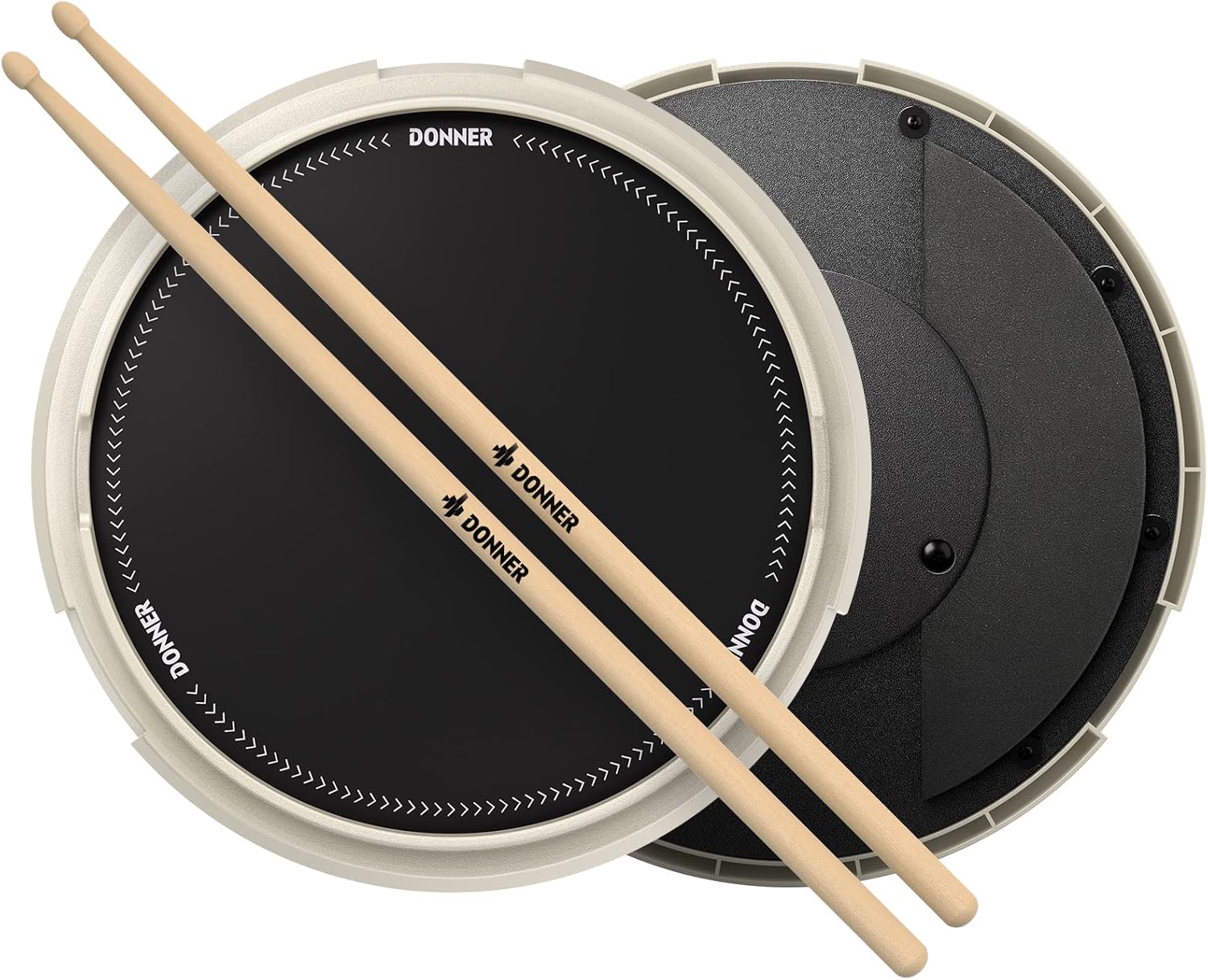
Donner's 12-inch DTB-1 practice pad solves the apartment-drummer problem with a clever twist: a removable snare simulator packed with 800 steel balls that mimics the buzz of a real snare without waking the neighbors. The silicone playing surface sits on a dense wood core with an EVA non-scuff bottom, and the standard-height rim opens up rim shots and modern snare technique rather than just flat single-stroke drills.
The kit ships with maple sticks, a hoop slot for stowing them, and a printout of the 40 essential rudiments. Reviewers consistently flag the rebound as snare-realistic and the volume as roommate-friendly, which is the whole job description for a chop builder you can actually use at 11pm.
🌊 Deep Dives
👂 stop guessing at tuning: ear training built for the kit
Ben O'Brien Smith of Sounds Like A Drum tackles a corner of drum education almost nobody covers: ear training built specifically for the kit. His argument is simple. Tuning by ear is learnable, but drummers rarely get pointed toward the right vocabulary or drills to actually develop the skill, so most of us just guess and hope.
This 27-minute deep dive is framed as a tip-of-the-iceberg crash course. He clarifies the terms, lays out the fundamentals you need before you can hear what your drums are doing, and walks through practice methods you can take to your own kit. If you've ever sat over a tom feeling like the lugs are mocking you, this is the foundational session worth sitting with.
🎙️ larnell lewis on slice of life and snarky puppy roots
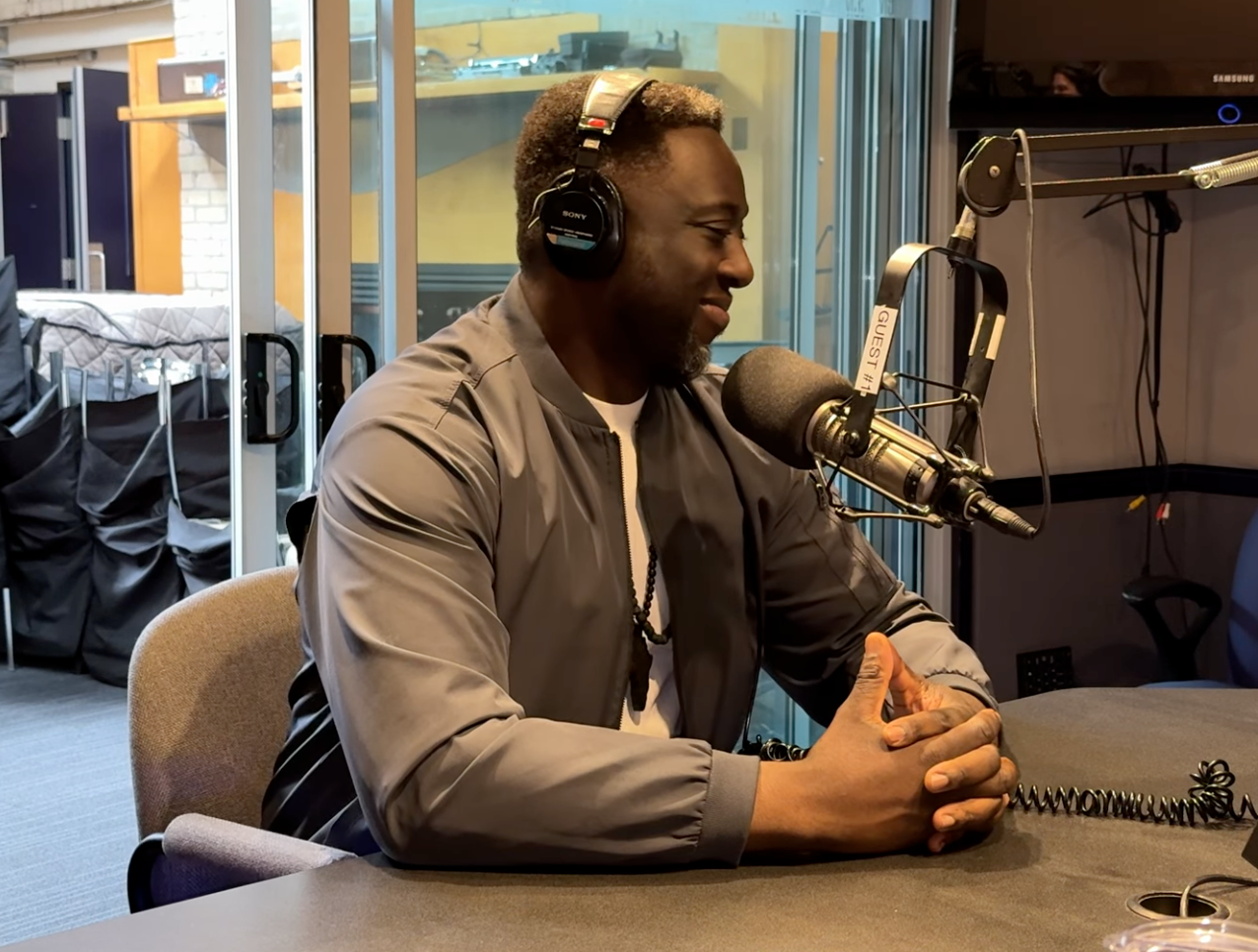
Larnell Lewis sits down with JAZZ.FM91's Raina Hersh for a 16-minute conversation that wanders from family life to the road to his JUNO-nominated album Slice of Life. It's the kind of interview that rewards drummers who already know the chops and want to hear how the person behind them thinks: how a Snarky Puppy alum frames solo records, what shows up in a track like "Hide and Seek," and how a Toronto upbringing shapes a player whose vocabulary stretches across jazz, gospel, fusion, and funk.
No play-along, no clinic breakdown. Just Lewis talking craft and context, which makes it a good one to put on while you're stretching out or driving to the gig.
🎓 Practice & Skills
🔧 the snare tuning mistake almost everyone makes

Ryan Prim's latest tutorial zeroes in on the single tuning move most drummers fumble when chasing a great snare sound, and the 200,000-plus views suggest he hit a nerve. His fix is mechanical and repeatable, the kind of adjustment you can take to a kit tonight and hear the difference before the first chorus.
If your snare has been sounding choked, ringy, or just generically "fine," spend a few minutes with this one. Prim walks through the diagnosis in plain language, so you come away knowing not just what to turn, but why the head responds the way it does. Practical tuning literacy beats chasing dampening gels every time.
🔱 the trinity of chops: zyck's framework for real speed
Zyck The Freak is calling it the Trinity of Chops, and the framing alone is worth your attention this week: instead of grinding one rudiment at a time, he organizes chops development around three interlocking pillars that feed each other.
The bigger lesson sitting underneath the video is the one most players skip. Raw hand speed without control is noise, control without vocabulary is boring, and vocabulary without speed never makes it into real music. So today, run a quick self-test. Pick a single sticking, RLRR LRLL works fine, and play it at a slow tempo around 80 bpm with a metronome for two minutes straight. Listen for unevenness between hands. Then push the same sticking to the edge of where it falls apart and sit one click below that, not above. Finally, take it off the practice pad and onto the kit by orbiting it around the toms or splitting it between snare and kick. That tiny loop, clean slow reps, controlled max-tempo reps, musical application, is the Trinity in miniature.
The takeaway: chops are not a number on a metronome, they are the overlap of speed, control, and vocabulary, and you need to practice all three in the same session.
That's it for today! Thank you for carving out time to read! This community means a lot to me, and I'm grateful you're here. 🙏
If you have feedback, a story, or something you'd love to see in the newsletter, just reply to this email. I read every message and respond to each one.
Happy drumming,
Matteo