
⚡ Quick Hits
🌎 adan alcalá's pocket clip that blew up overnight
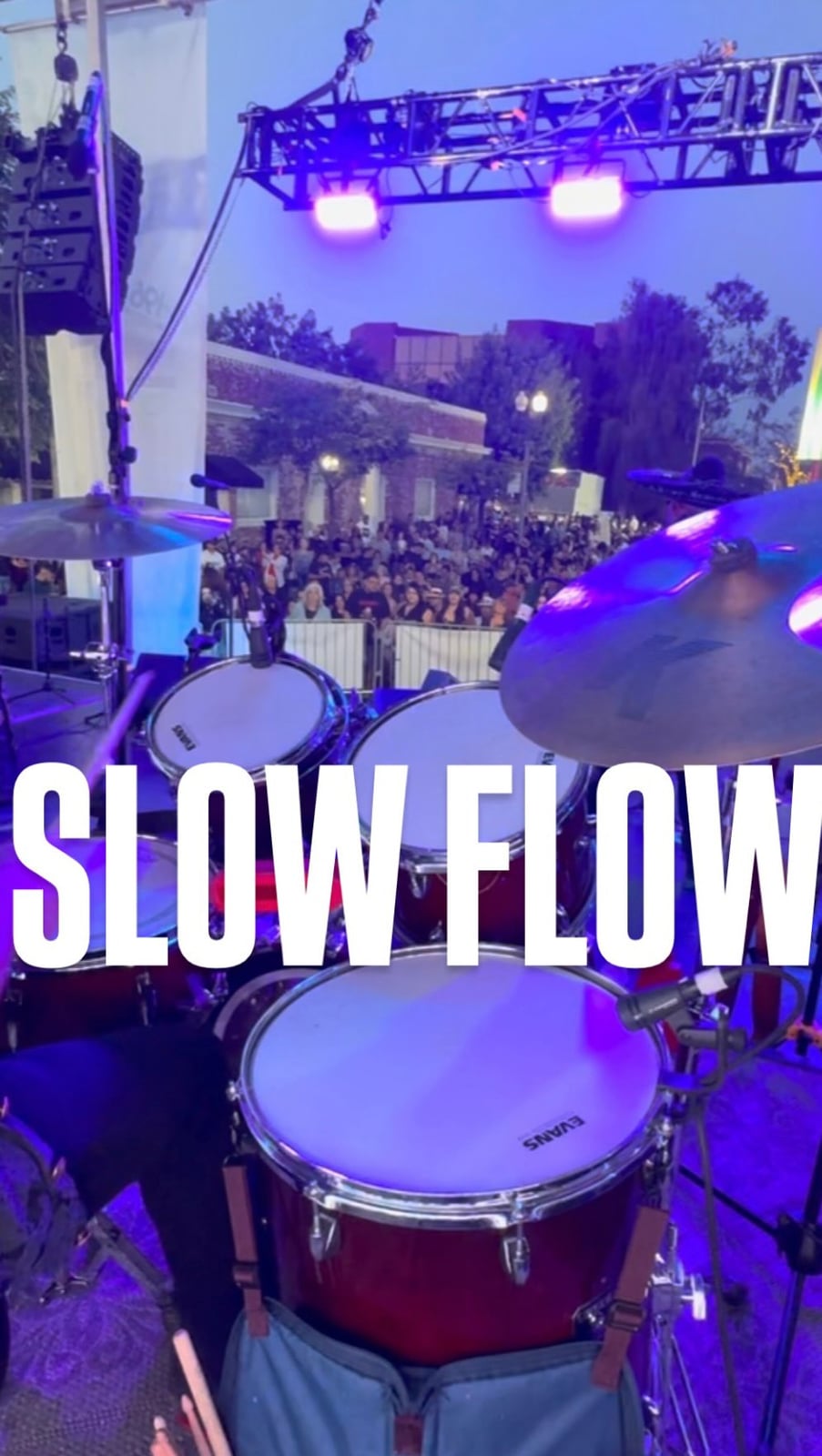
@Adan Alcalá | 🥁🌎
Adan Alcalá drops a quick pocket clip that's been making the rounds this week. He keeps his feed lean and rhythm-forward, and this reel is a tight snapshot of why players keep coming back. Worth a tap if you want a fast hit of groove before your next practice session.
🔥 pocket lessons on chaka khan's toughest ballad
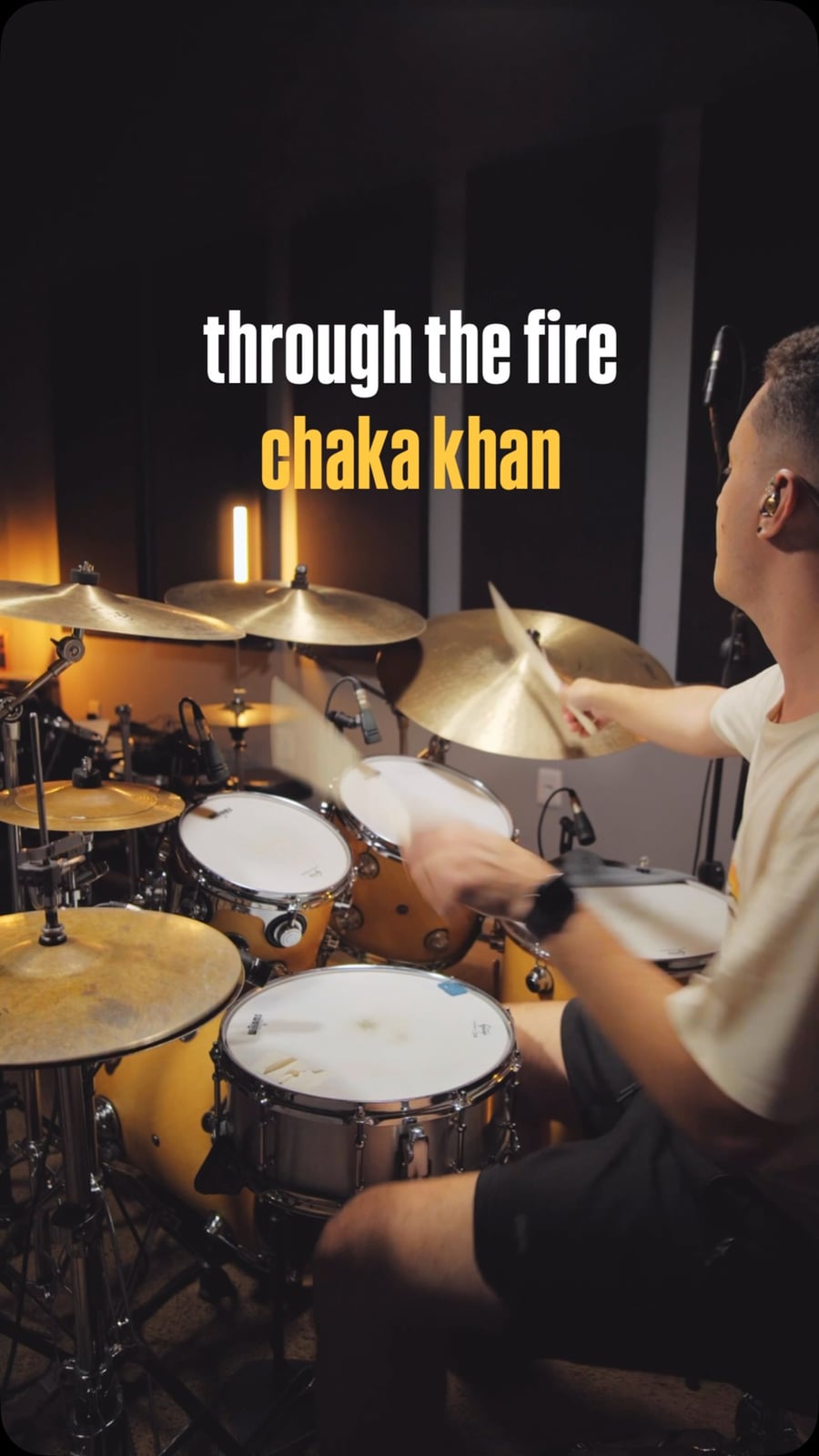
@Kembely Almeida
Chaka Khan's "Through the Fire" gets the drum treatment from Kembely Almeida, who locks into the ballad's slow burn with taste and restraint. She threads dynamic swells under the vocal without ever crowding it, leaning on brushed dynamics and careful cymbal choices. A short reel worth the replay for anyone studying pocket on power ballads.
🛒 Gear Picks
🦶 pdp's 700 series pack: dw-designed pedal, throne, hi-hat under $200

PDP's 700 Series 3-Piece Hardware Pack covers the essentials for a working kit without the bulk of pro-level stands. You get a single pedal with concentric chain drive, a three-legged hi-hat stand, and a round-top throne. Everything runs on double-braced legs with rubber feet, so it holds position at rehearsals and small gigs.
The pedal is where this pack earns its keep. Dual posts and a steel baseplate give it a stable feel that punches above the price. It fits bop kits, classrooms, or a second setup you leave at the practice space.
🌊 Deep Dives
🇯🇲 five reggae grooves by tempo, no name-dropping
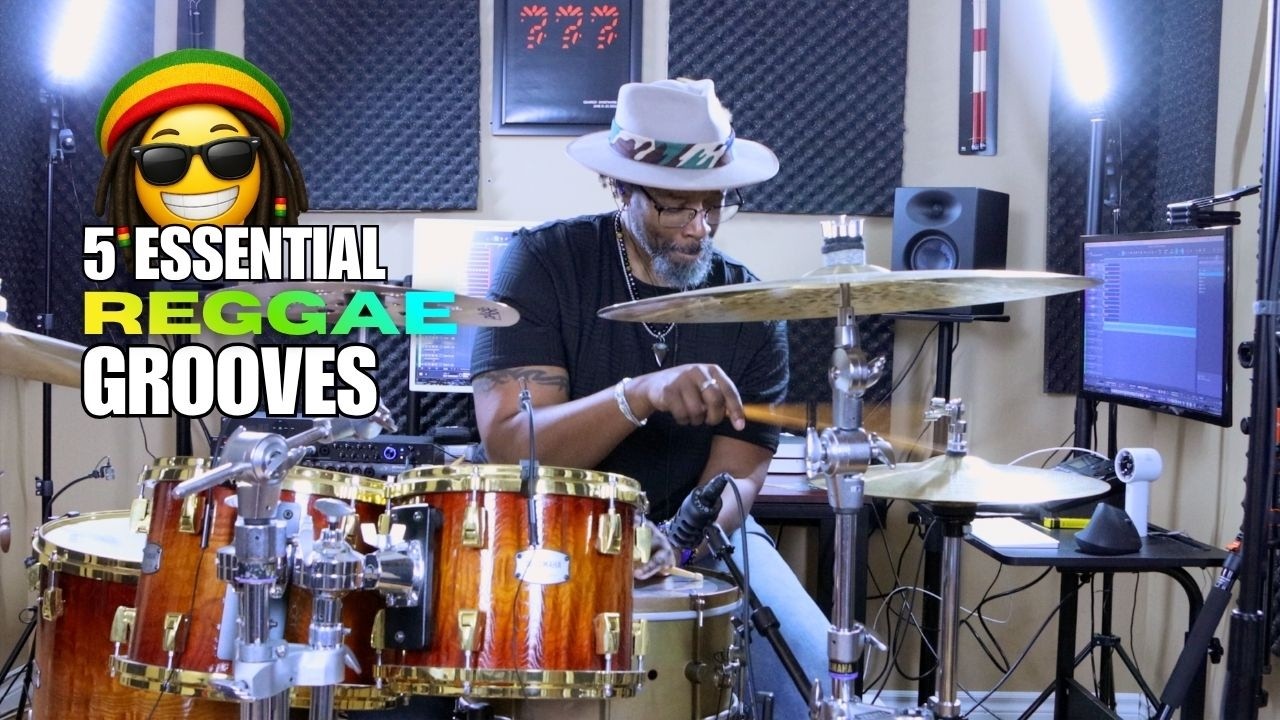
Rob Brown skips the name-dropping and goes straight for the feel, walking through five reggae grooves organized by tempo rather than by artist. He moves from medium into slow, then dub, uptempo, and finally roots, showing how the pocket shifts as the BPM changes and how the snare, hats, and kick each carry different weight in each style.
Sit with this one if reggae sits outside your comfort zone. Understanding why a dub groove breathes differently than a roots pattern, or how uptempo skank pushes against slow one-drop, gives you a framework you can apply to any tune you're asked to play. Practice each tempo until the feel locks in before moving to the next.
📼 how a panasonic cassette built ralph rolle's versatility
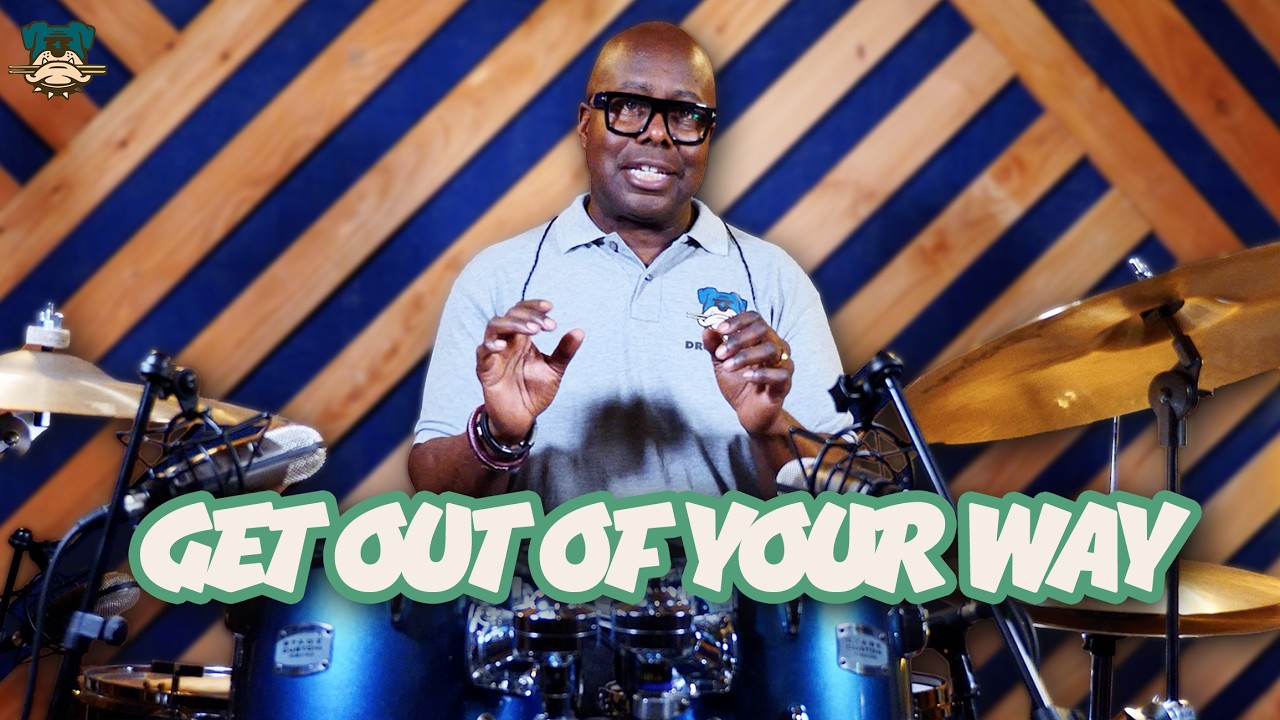
Ralph Rolle traces his versatility back to taping songs off the radio as a kid, wearing out records until his ear caught up with his hands. In this Drum Dog sit-down, he argues there's no shortcut across soul, R&B, pop, fusion, hip hop and punk — only practice and the honesty to record yourself and hear what's actually there.
He credits the drummers who shaped his ear, then turns to mindset: why "can't" is the most dangerous word a drummer uses, how to sit with nerves and mistakes, and how loss and life outside the kit end up reshaping the way you play.
🎓 Practice & Skills
🧠 displaced paradiddles that fight your right hand
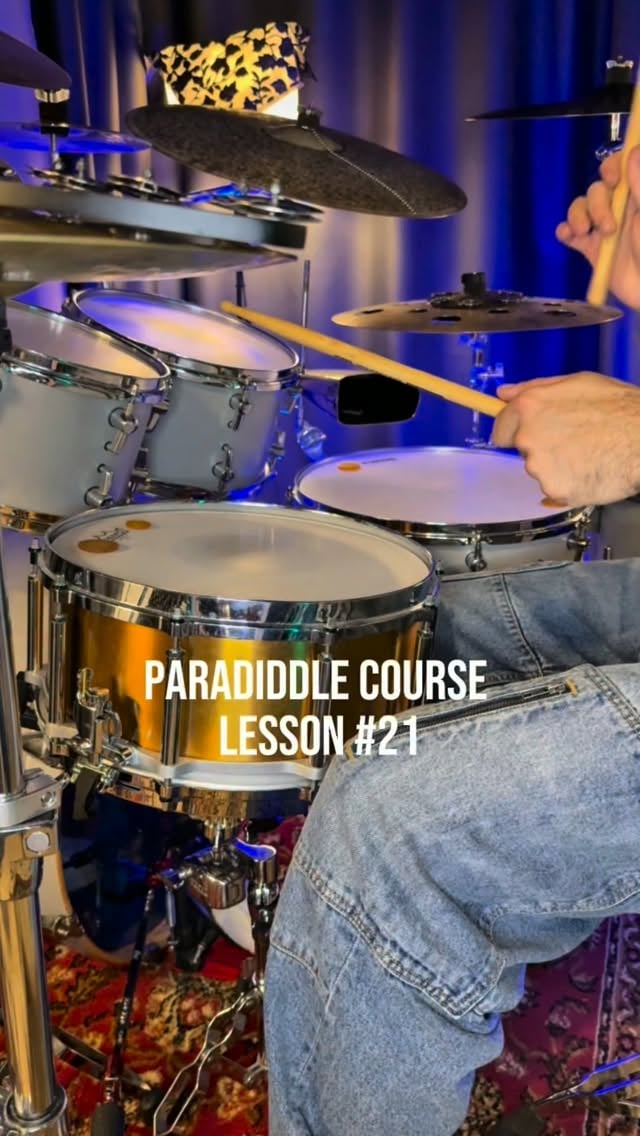
@Pavel Mamonau
Pavel Mamonau's Paradiddle Course tackles a displaced paradiddle concept that splits the sticking between kick and snare, shifting by one sixteenth each pass. Work through this and you walk away with a new lens on how paradiddles behave when you move them off the grid and layer them under a steady right hand.
Here's the setup. The paradiddle voicing lives between your snare and kick, and every repetition slides one sixteenth note later in the bar. Your right hand holds down a three-sixteenth grouping on top, which pulls against the four-sixteenth phrasing underneath and creates the displacement tension. The hi-hat foot cycles through three feels to test your coordination: quarter notes first, then offbeat eighths, then straight eighths. Start slow. Sit with each hi-hat feel until it locks before moving on. If the three-sixteenth right hand pattern falls apart, drop the feet and clap the RH grouping against a metronome until you hear where it lands. Common mistake: rushing the paradiddle voicing to line up with the hi-hat foot. Let the displacement breathe. Your ear needs to accept that the sticking and the foot pattern will resolve in different spots each bar.
Groove control lives in exercises like this. Build it slow, and your independence catches up.
💪 the doubles-around-the-kit drill hegerle calls undefeated
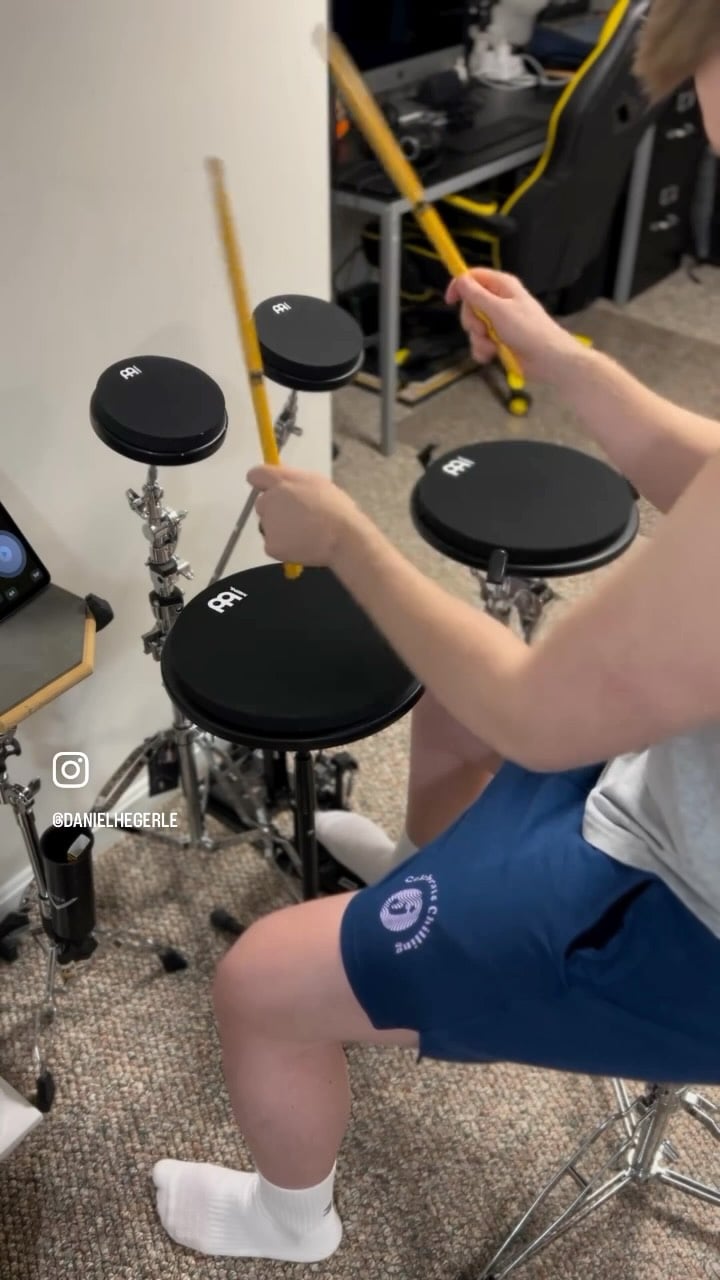
@Daniel Hegerle
Daniel Hegerle calls this doubles exercise undefeated, and it's a smart addition to your practice rotation: moving doubles around the kit to build hand speed, control, and voice-leading at the same time.
The concept is simple. Instead of grinding doubles on a pad, you orchestrate them across toms, snare, and cymbals so both hands learn to produce clean, even doubles on any surface. Rebound changes when you move from a tight practice pad to a floor tom head to a ride bell, and your stroke has to adjust with it. That's the whole point. Start on a pad at a tempo where every stroke sounds identical, RRLL, then migrate the same sticking around the kit one voice at a time. Snare to rack tom. Snare to floor tom. Then add cymbals. Keep the tempo honest and only bump it up when the second note of each double matches the first in volume and spacing. The common trap is letting the weaker note collapse when you cross to a lower tom or an angled cymbal. Isolate that transition, loop it, and fix it before you speed up.
Apply this to any groove or fill where you want faster, smoother tom runs. Ten focused minutes beats an hour of sloppy repetition. Move the doubles, match the tone, and your fills around the kit will start sounding like one instrument instead of four.
✋ finger dribbling: the trick to faster single strokes

Finger dribbling turns a single stroke into a controlled bounce off the fingers, and Drum Beats Online has a short lesson aimed at getting yours moving faster. Walk away with a clearer sense of how the fingers, not the wrist, drive speed once the stick rebounds.
The move is simple to describe and hard to own. After the initial wrist stroke, your fingers catch the stick and push it back into the head in quick succession, like dribbling a basketball with your fingertips. The fulcrum stays relaxed. The back fingers do the work. Start slow enough that you hear every stroke evenly, then push the tempo only when the sound stays clean. Isolate one hand at a time before alternating. The common mistake is squeezing the stick, which kills the rebound and forces the wrist to muscle every note. If your forearm is burning, you're gripping too hard. Loosen the back fingers and let the stick do more of the work. Apply it to any single-stroke roll passage, or to the fast right hand on a song like Toto's "Rosanna" once the mechanic feels natural.
Speed on the kit lives in the fingers. Train them deliberately and the rest of your vocabulary opens up.
That's it for today! Thank you for carving out time to read! I'm grateful you're here. 🙏 If you'd like to support the newsletter, consider joining our premium tier.
If you have feedback, a story, or something you'd love to see in the newsletter, just reply to this email. I read every message and respond to each one.
Happy drumming,
Matteo