
In partnership with

AI help, without the trust tax.

Most AI tools ask you to trade your data for intelligence. Norton Neo doesn't. It's the first safe AI-native browser built by Norton, and it gives you powerful built-in AI without handing your privacy over to get it. Search, summarize, and write with AI built directly into your browser. Your data stays yours. Your context stays private.
Built-in VPN, anti-fingerprinting, and ad blocking come standard. No add-ons. No setup. No compromises.
Fast. Safe. Intelligent. That's Neo.

⚡ Quick Hits
👻 bernard purdie demos his legendary shuffle in 97 seconds
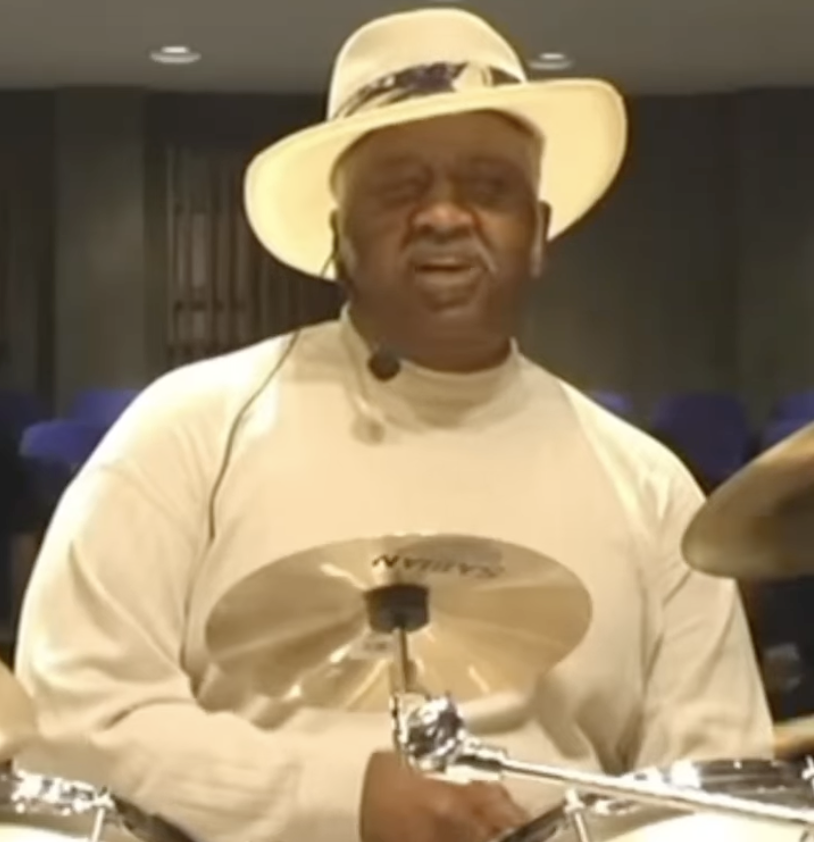
Bernard "Pretty" Purdie breaks down the shuffle that bears his name in a 97-second Hudson Music short, and it lands exactly the way you'd hope. The ghost notes sit in that impossibly relaxed pocket, half-time triplet feel locked under his hands like muscle memory made audible. If you've ever tried to cop this groove, watching the man himself play it for a minute is a clinic worth the click.
🎷 steve gadd's ghost notes on way back home, 2002 vault clip
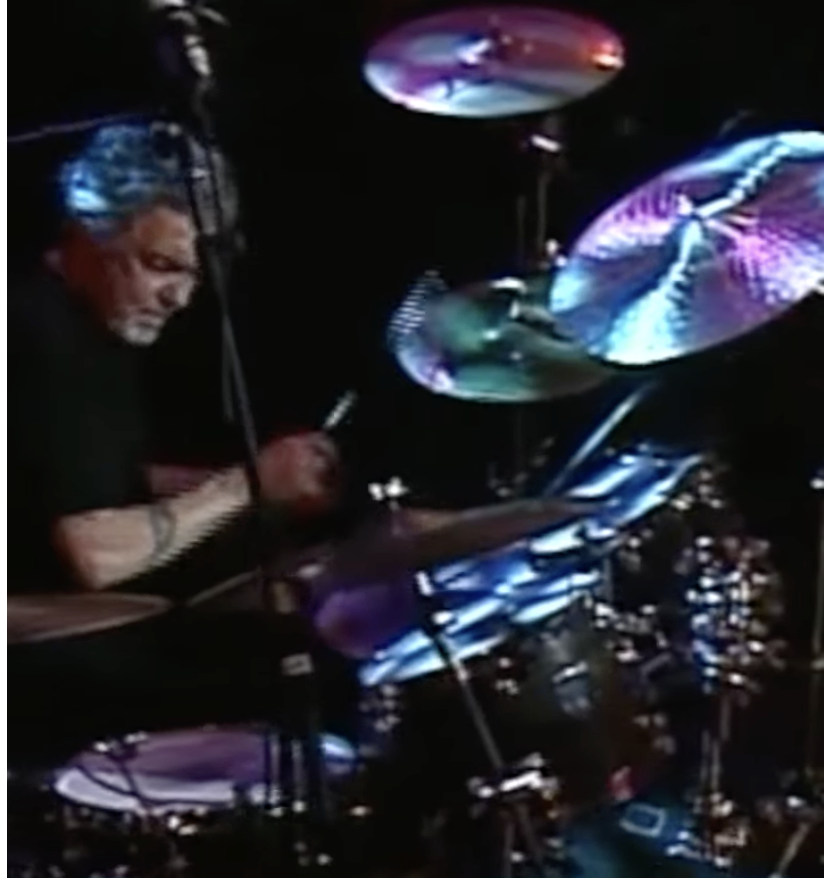
Steve Gadd and The Gadd Gang dig into "Way Back Home" in this 2002 clip from the Drummers Collective 25th Anniversary Show, freshly unearthed from the Hudson Music vault. It's two minutes of Gadd doing what Gadd does: pocket so deep it feels gravitational, every ghost note placed like it was measured with calipers. A masterclass in restraint hiding in plain sight.
🛒 Gear Picks
🎯 13 evans snare heads, one drum, 60 seconds
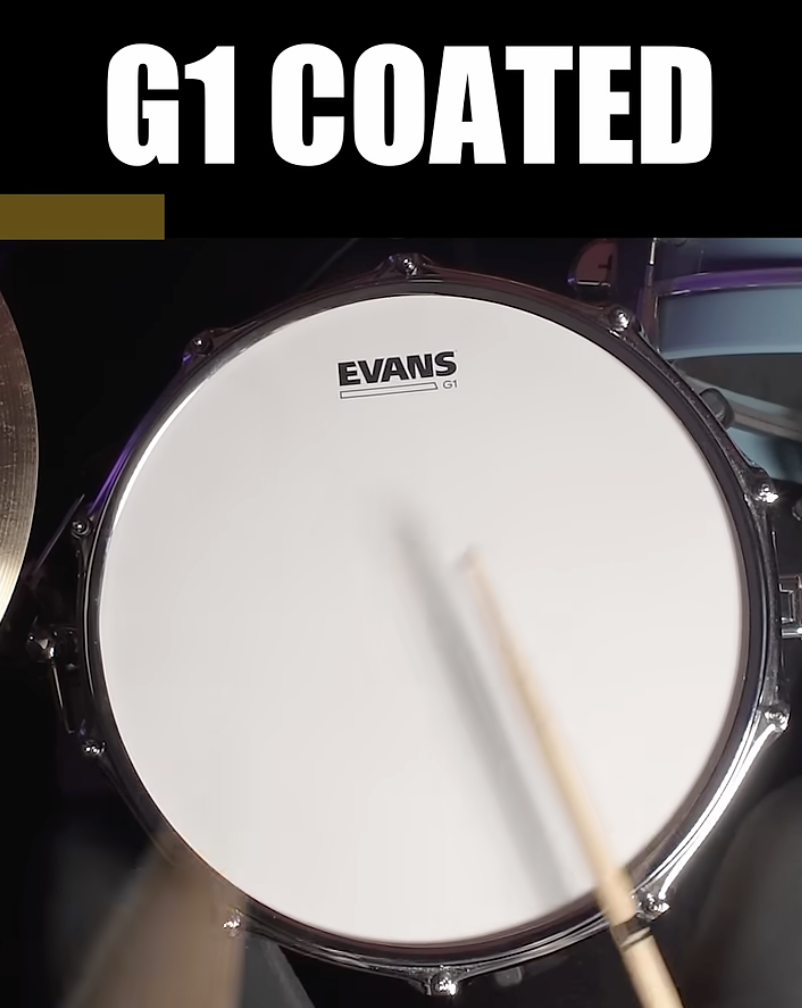
Gideon Waxman runs through 13 Evans snare heads in 60 seconds, same drum, same tuning, same groove, so the only variable is the head itself. It's the kind of side by side that's hard to stage at a shop and even harder to A/B in your head when you're staring down a Genera HD versus an EC2 versus a Hybrid on the website. Genera Dry is a top contender for most viewers. Check out this Evans Snare Tune Kit offering the HD Dry with a 3-ply resonant head and new snare wires!
🎙️ budget home recording rig that actually sounds pro
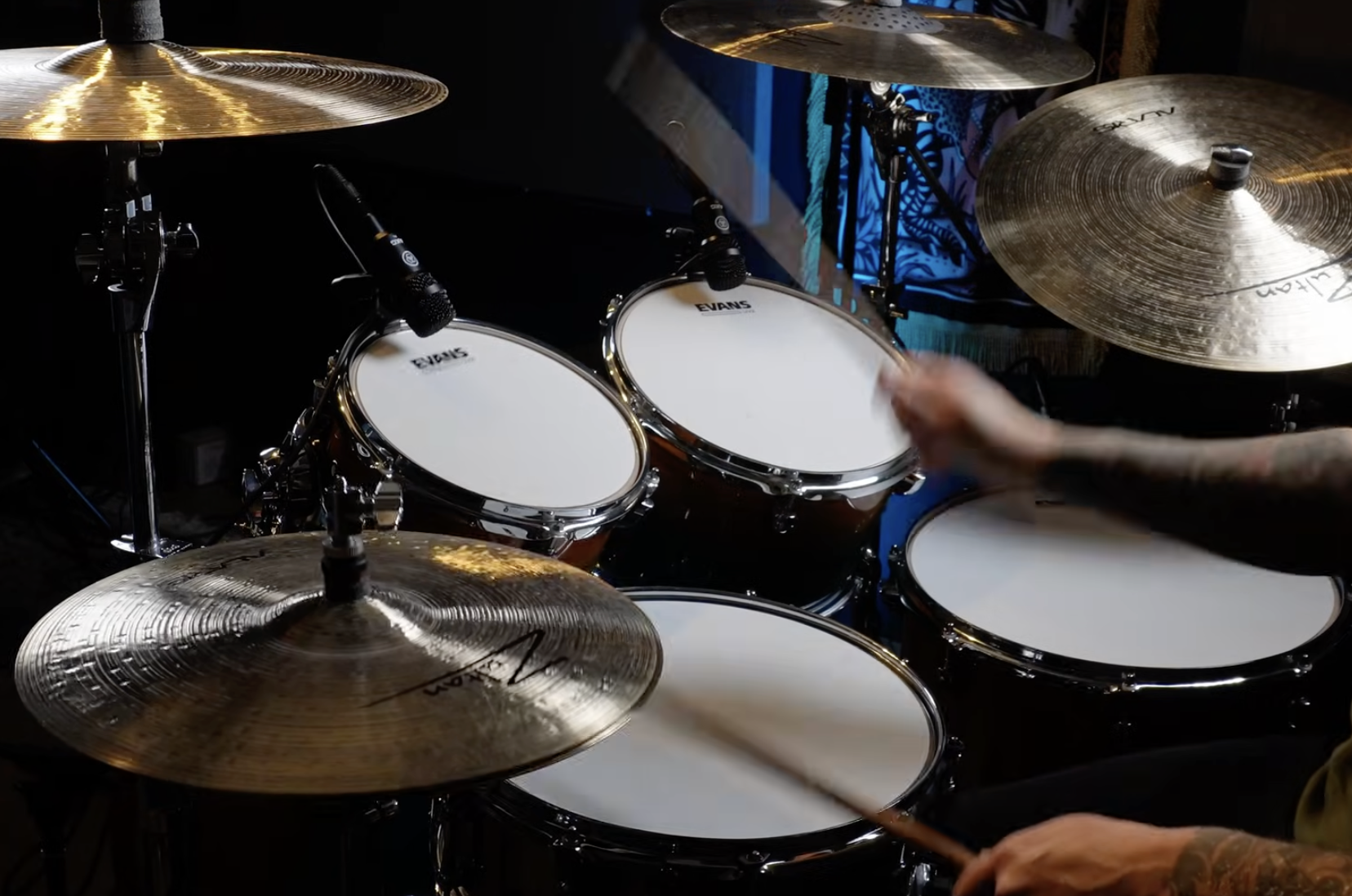
Gideon Waxman's home-recording rig is a useful blueprint for drummers who want real results without studio money. The chain: AKG's Drum Set Session I mic pack into a Behringer UMC1820 interface, capturing a Mapex Armory kit fitted with Evans UV2 coated heads, with K&M 210/9 boom stands holding everything in place and a Bass Drum O port cut into the resonant head.
What stands out is how unflashy the list is. No boutique preamps, no vintage condensers, just a coherent budget setup that prioritizes tuning, mic placement, and gain staging over gear worship. The 11-minute walkthrough covers each step through to a Logic mix, making it a practical reference for anyone building a first tracking rig.
Check out the AKG Session mic pack here.
🌊 Deep Dives
🎷 dave weckl's 9-minute solo: hornlike phrasing, hidden independence
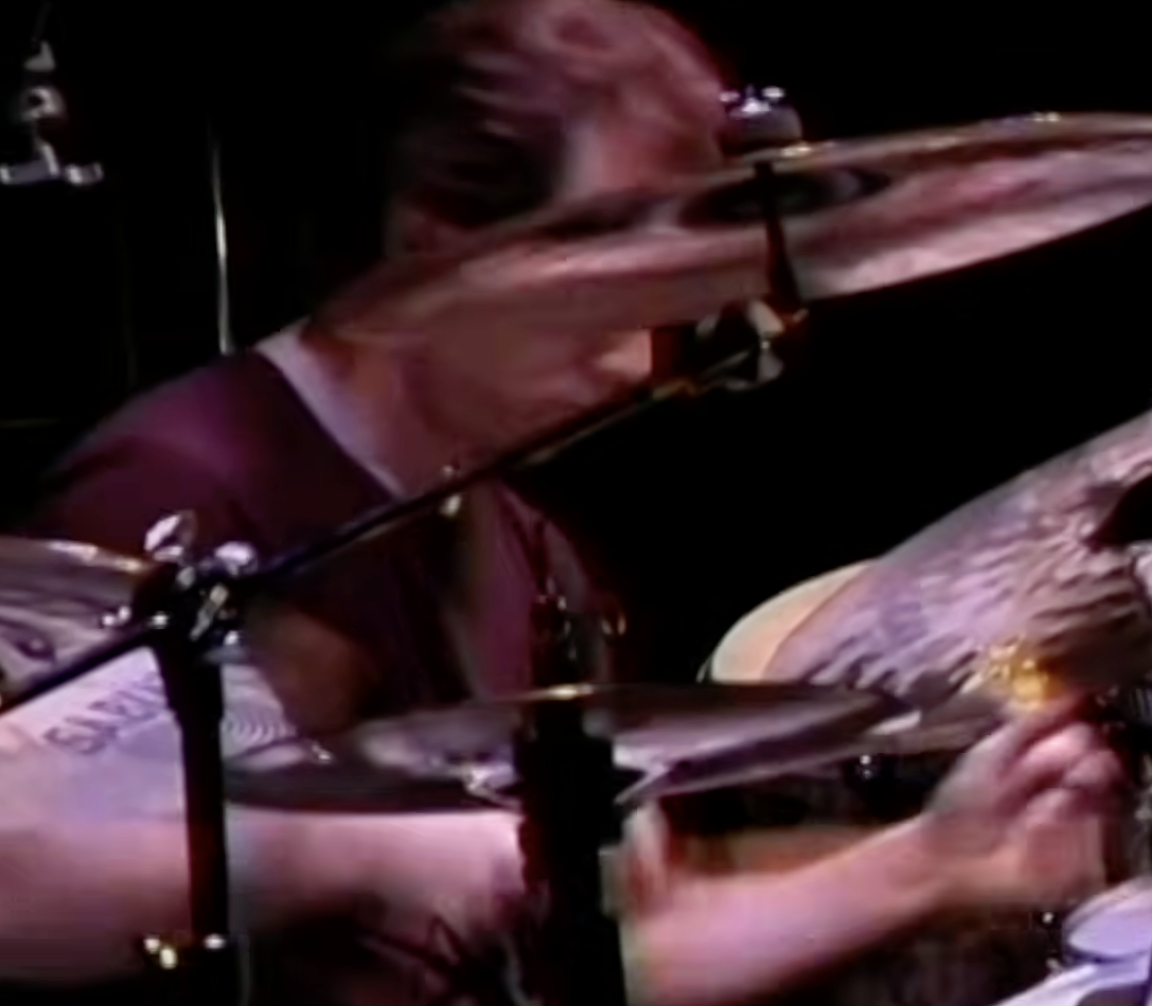
Dave Weckl unaccompanied for nearly nine minutes, pulled from the Hudson Music vault: this is his solo from Ultimate Drummers Weekend 10 in Australia, freshly posted to YouTube and worth carving out the time for. Weckl solos reward attention because nothing is thrown in for show. Every linear phrase, every left-foot clave, every shift in subdivision has a clear architecture, and you can hear him develop ideas the way a horn player builds a chorus.
Watch it once for the spectacle, then again with the volume up on his hi-hat foot and ride patterns. The independence underneath the flashier hand work is the real lesson, and it is the part most players miss the first time through.
👮 stewart copeland's tape-delay secrets, decoded backstage
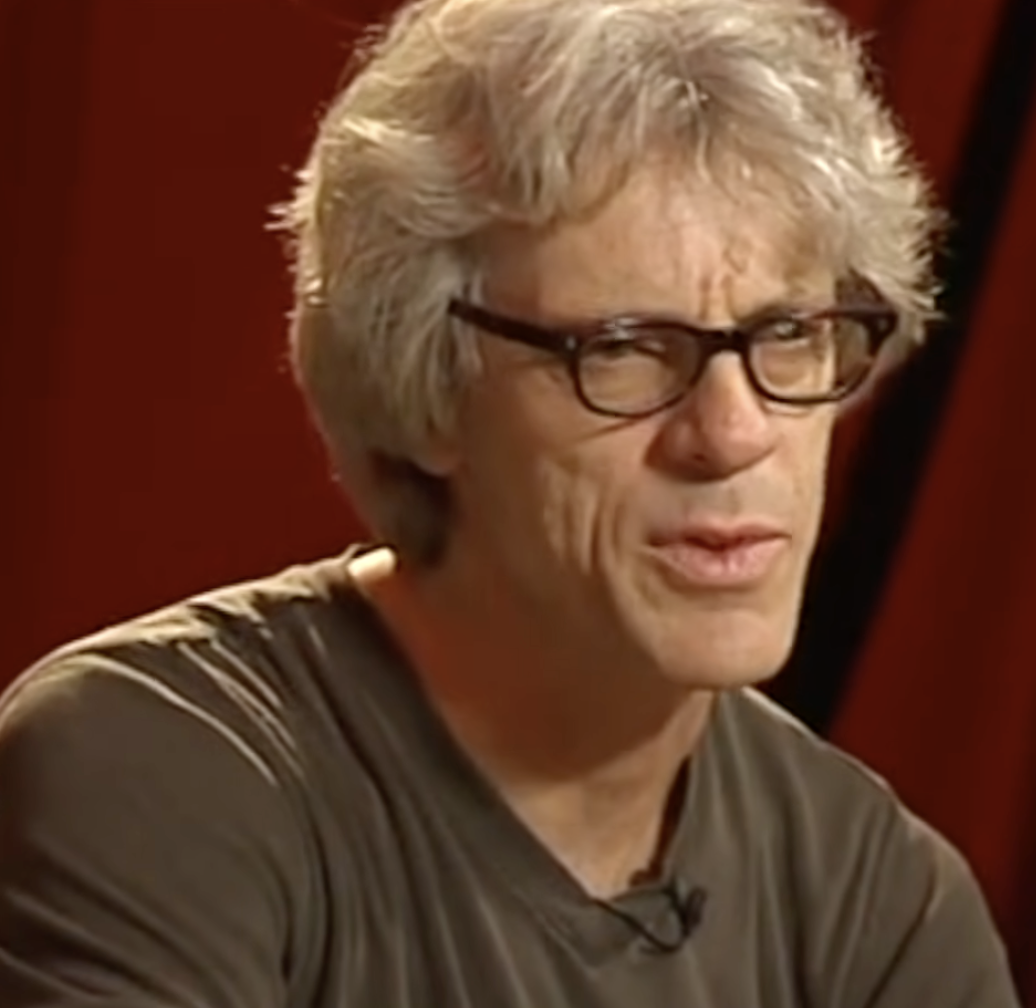
Stewart Copeland tears through a set with Gizmo at the Modern Drummer Festival 2006, and Hudson Music has paired the performance with backstage interview footage where Copeland unpacks his influences and his long love affair with tape delay. The playing is exactly what you'd hope for from the Police's engine room: ride‑driven, splashy, conversational with the bass, restless in the best way.
The interview is where it earns its keep, though. Hearing Copeland talk through how delay shapes his ear, where his phrasing comes from, and how he treats the kit as a melodic instrument adds real context to the chops on display. At a little over eight minutes, it's a tidy sit‑down that rewards close listening, especially if you've ever tried to reverse‑engineer his hi‑hat work.
🎓 Practice & Skills
👻 awkward fills? ghost notes and phrasing are the fix
Sari Kujala's "How I'd Master Drum Fills If I Had to Start Over" reframes the whole problem: most awkward fills aren't slow or simple, they're dynamically flat and rhythmically thin. The lesson you'll walk away with is that fills get "professional" through phrasing, ghost notes, and bass drum independence, not faster hands.
Kujala builds the approach in layers, and the order matters. Start by treating the 16th note grid as a vocabulary, not an exercise. Pick one bar of 16ths, mute a few notes, and see what rhythmic shape is left. That shape is your fill. Once it feels musical, voice it around the kit. Layer two is ghost notes, and this is where Kujala says most drummers fail. The mistake is playing ghosts too loud, which collapses the dynamic gap between accent and whisper. Keep accents firm and let the ghosts sit barely above the head. Layer three is linear bass drum, where no two voices hit at the same time, which forces independence and opens up space. Only after those feel locked in should you add doubles and diddles on top. Resist the urge to skip steps to sound advanced faster.
A practical session today: take a single one-bar fill out of a song you already know, strip it to its 16th note skeleton, then add ghost notes, then a linear kick, then doubles, one pass at a time. The takeaway: better fills come from layered vocabulary and dynamic control, not speed.
🔥 james gadson's greasy 16th-note secret, in 60 seconds
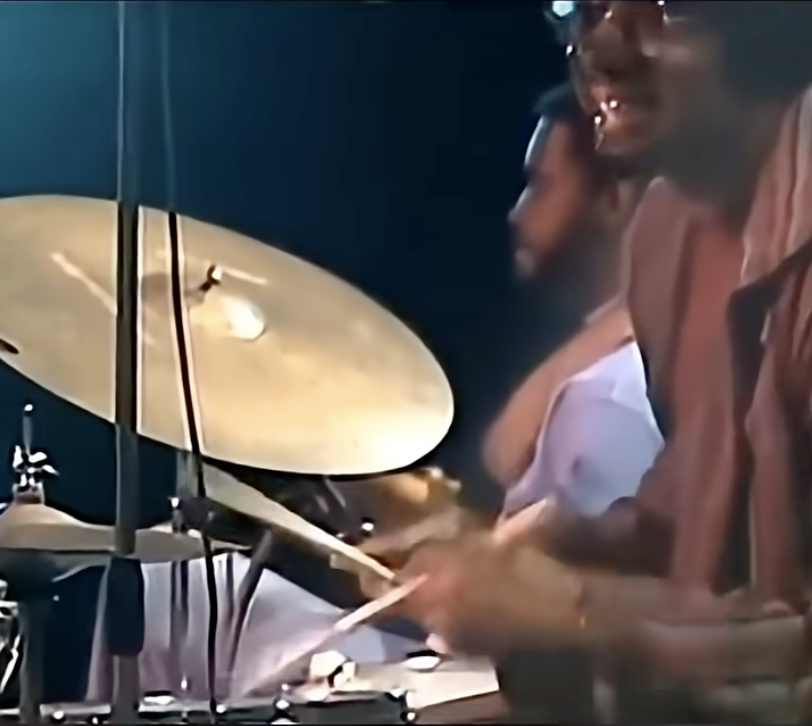
James Gadson built a career on greasy, in-the-pocket 16th notes, and Dirk at Drumtrainer Berlin has a 60-second tribute clip that opens the door to that feel. The lesson here is less about raw speed and more about how Gadson made fast 16ths sit down inside a groove instead of running away from it.
The framing is simple: to chase a Gadson-style 16th note feel, you need both hand speed and the discipline to keep that speed musical. Pull up the clip, then take whatever sticking Dirk demonstrates and isolate it on a pad first. Start slow, well under your comfort tempo, and only bump the metronome once the pattern feels even and unforced. The common mistake is rushing the click and letting accents collapse into a blur. Keep the backbeat anchored on 2 and 4 with your strong hand, and let the 16ths breathe around it rather than dominate. Apply it to a Bill Withers track like "Use Me" or any mid-tempo soul groove where the hi-hat carries the song; that is the natural habitat for this vocabulary.
Grab the PDF from Drumtrainer's linktree if you want the exact pattern in front of you. The takeaway: fast 16ths are a feel before they are a chops exercise, and Gadson is the textbook.
⏱️ the five-minute tempo ladder that beats cold paradiddles
That Swedish Drummer's CJ Hokdal lays out a five minute warm up that climbs from 70 to 110 BPM in 10 BPM steps, one minute per tempo, and it's built to wake up your hands and feet together before you ever play a fill. The takeaway is simple: a focused coordination ladder beats banging out paradiddles cold, and you only need a metronome and the kit you're already sitting at.
Here's how to put it to work today. Set the click to 70 BPM and play the pattern relaxed for a full minute before bumping up. Keep your shoulders down and your bass drum and hi hat foot in the conversation, not just along for the ride. The common mistake is rushing the early tempos because they feel easy. Don't. Those slow minutes are where your limbs actually lock in. By 100 and 110, you should feel steady rather than scrambling. If you fall apart at a tempo, that's your real starting point tomorrow. Hokdal also tags on a bonus exercise at the end of the video if you want to extend the routine past five minutes.
Use this before rehearsals, gigs, or your daily practice block instead of jumping straight into chops. Five minutes, a metronome, and a tempo ladder. That's the warm up most drummers skip.
🌎 From The Community
🎷 stanton moore drenches pasic 50 in new orleans grease
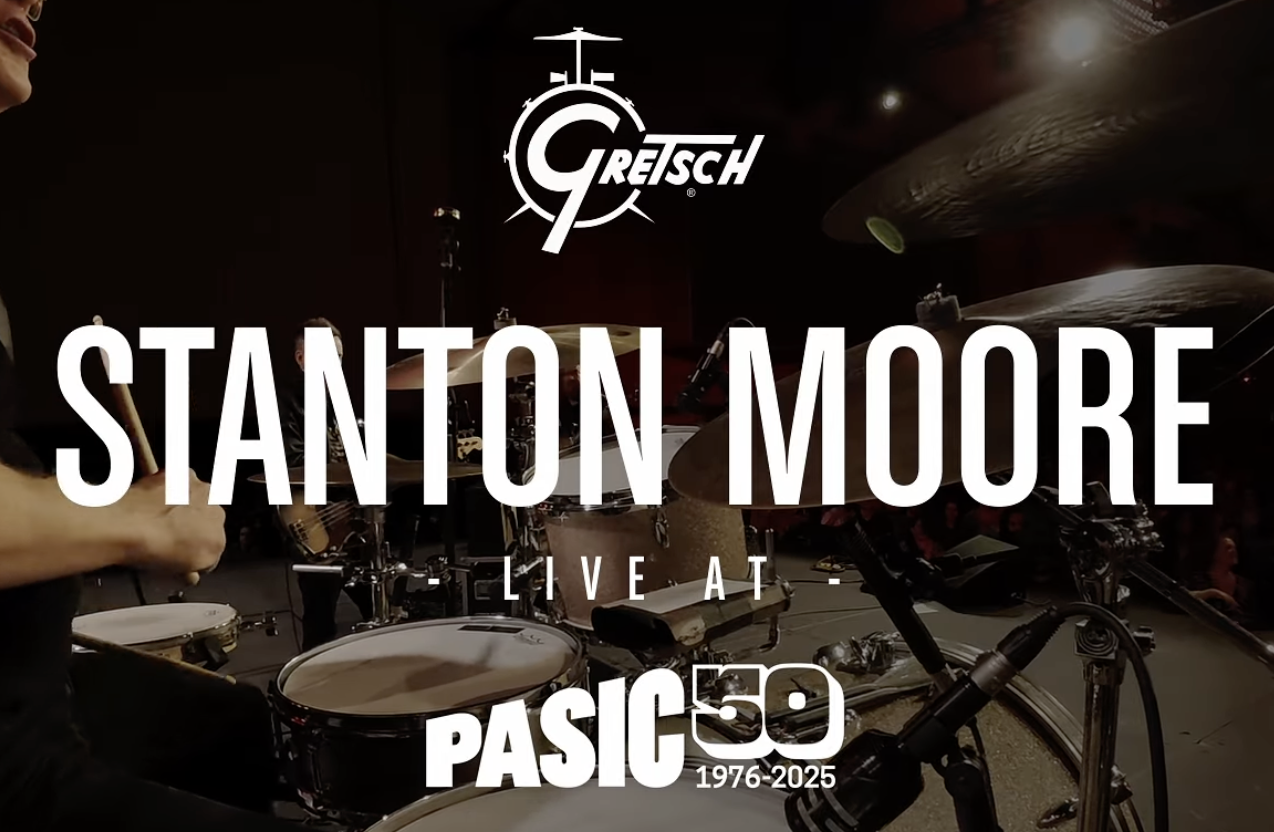
Stanton Moore tore through Big 6 Brass Band's "Go Down" at PASIC 50, joined by Mike Dillon on vibes and Pedro Segundo on percussion for a set drenched in New Orleans grease. Behind a Champagne Sparkle Gretsch USA Custom kit (24, 12, 14, 16), Moore leans into the dirty pocket and loose feel that made his name. Five minutes of clinic-floor groove worth your lunch break.
That's it for today! Thank you for carving out time to read! 🙏 If you'd like to support The Daily Drummer, try our ad-free subscription here.
If you have feedback, a story, or something you'd love to see in the newsletter, just reply to this email. I read every message and respond to each one.
Happy drumming,
Matteo