
Sponsored by


AI can do a lot, but most AI newsletters leave you wondering what’s actually worth trying.
That’s where The Shift comes in. They don’t just tell you “what’s new” in AI.
Every edition answers one question: What can you do with AI today that saves you time, money, or effort?
You’ll see real-world examples, step-by-step mini-guides, and instantly usable prompts under 5 minutes a day.
Plus free access to 3,000+ AI tools and 1000+ mega prompts so you can apply what you learn right away.
No hype, no wasted time, and no “just in case” news. If it’s in The Shift, it’s because it can make your work better today.
And right now, 3 subscribers win a free 1-year Claude Pro subscription. One click to enter.

⚡ Quick Hits
📼 more buddy rich tapes from 1982
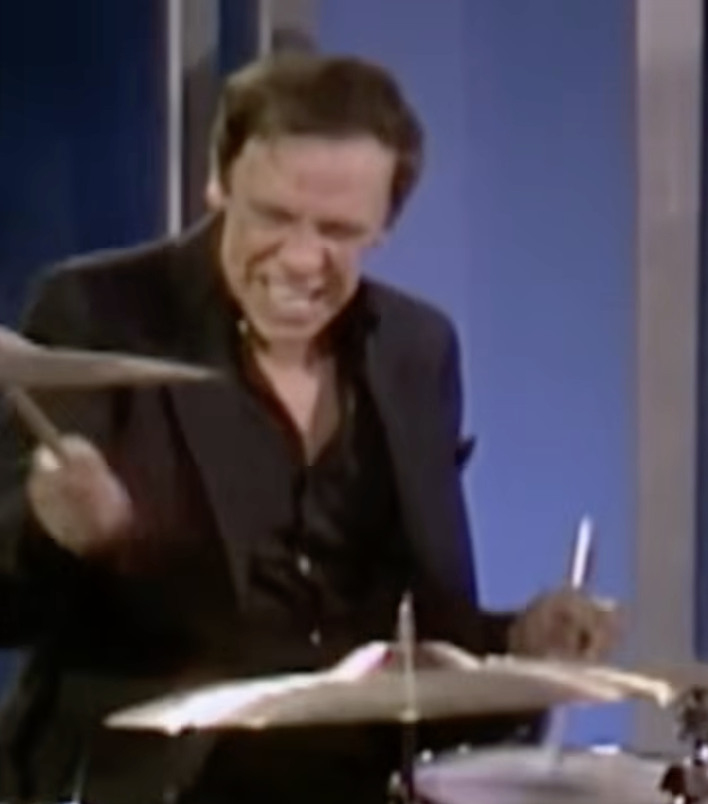
Buddy Rich at the Statler Hotel in 1982, caught mid prime across three filmed shows, may be the last unseen footage of the master in circulation. Drum Channel remastered the tapes and trimmed a 66-second taste for shorts, with the full Buddy Rich Show performances waiting on the site. If you've worn out the Mel Lewis clips, this is fresh oxygen.
👻 beat it, but every riff is shifted an eighth note
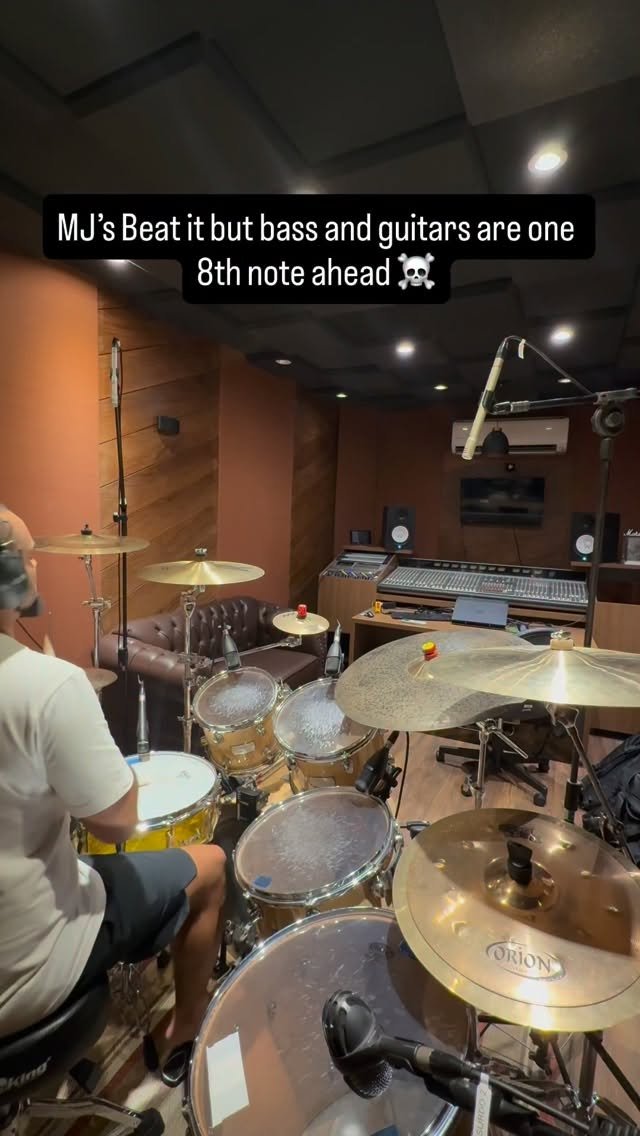
@Victor Alencar
Victor Alencar nudges the main riffs of "Beat It" forward by a single eighth note, and the entire song lurches into uncanny valley. It is a tidy demonstration of how phrase placement, not the notes themselves, defines a groove's identity. As Alencar jokes, Michael might be spinning in his grave.
✨ carter beauford's open-handed hi-hat magic in 47 seconds
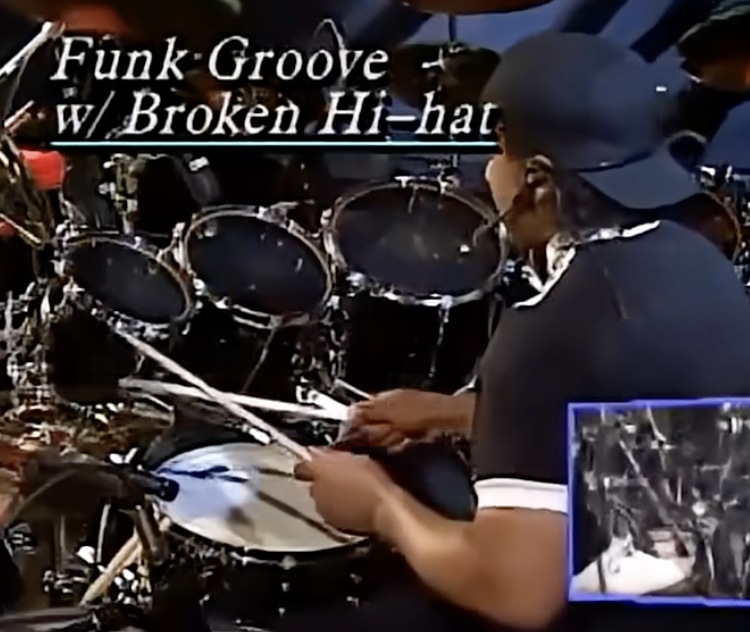
Carter Beauford's hi hat work gets the spotlight in this 47-second Drumfluence short, zeroing in on the open-handed wizardry that has defined his playing for decades. It's a quick, focused breakdown of why his cymbal vocabulary sits in a class of its own. Worth a scroll-stop even if you've studied his pocket a hundred times.
🛒 Gear Picks
🎤 inside mitski's 2026 tour kit, rebuilt from scratch
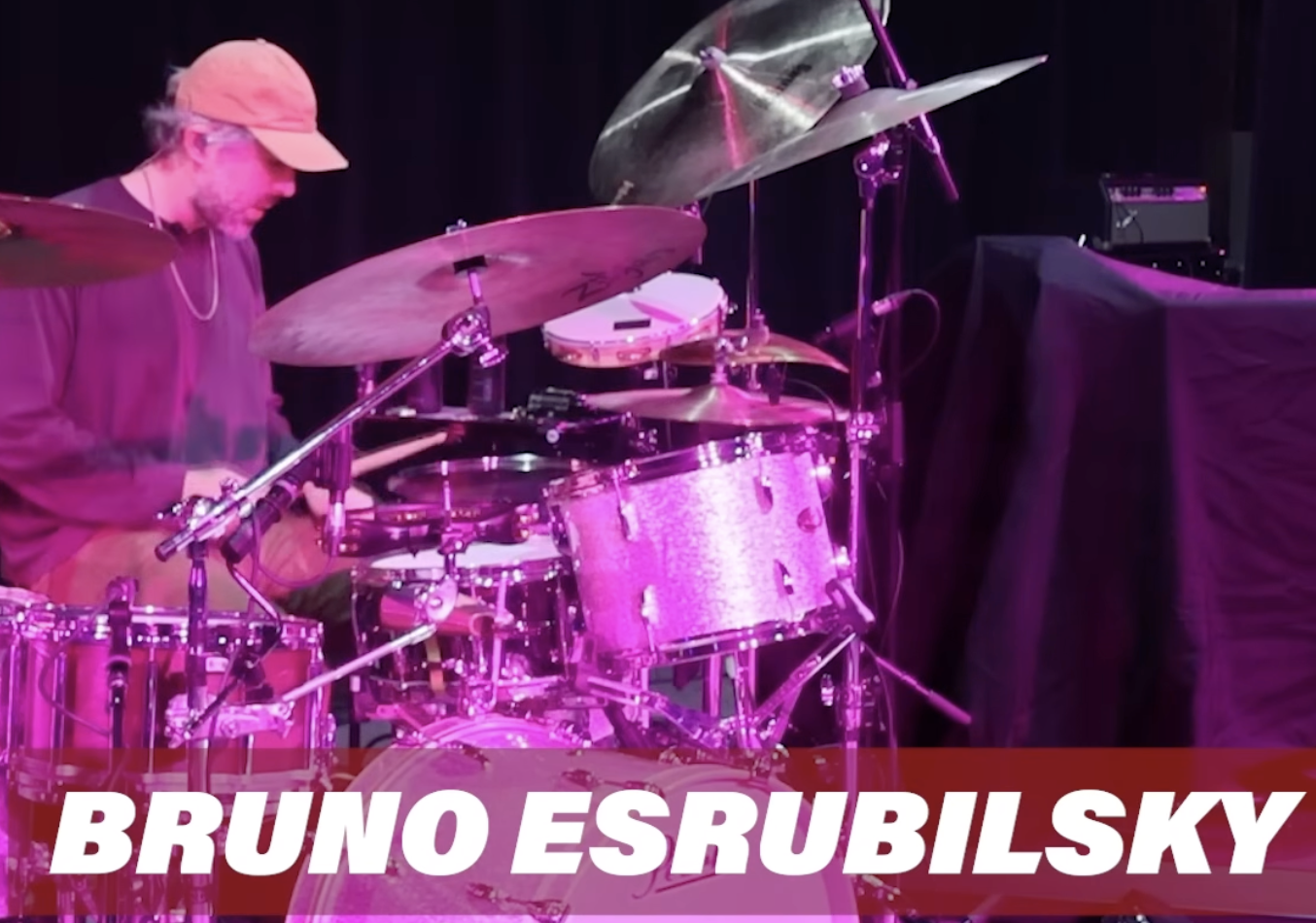
Bruno Esrubilsky walks Modern Drummer's Danny "Ziggy" Laverde through the kit he's taking out on Mitski's 2026 tour, and the interesting wrinkle is that he's rebuilt his setup from scratch for this run. Over 22 minutes, he gets into the why behind the new configuration, how each piece serves Mitski's catalog, and the small staging choices that keep everything translating night to night.
It's less a spec sheet and more a working drummer thinking out loud about adapting a personal voice to a specific gig. If you're chasing tone and layout decisions for a melodic, dynamics-heavy show rather than just chasing brand names, this one rewards the full sit-down.
🎛️ roland's td-316 tested: mid-range king or just hype?
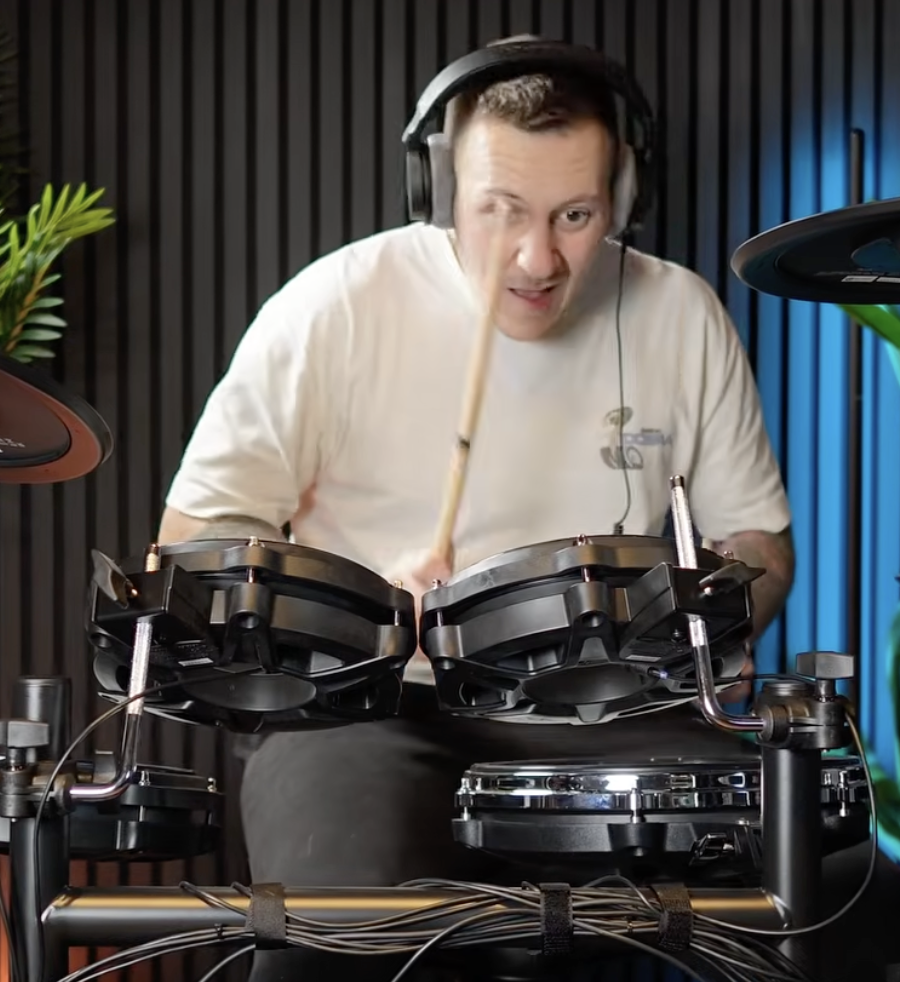
Roland's TD-316 lands as the brand's new mid-range contender, and after a few weeks with it, Gideon Waxman thinks it punches above its price tag. The headline pieces are the PD-12P snare, which he calls exceptional, and the V31 module driving 70 preset kits with enough horsepower to feel genuinely premium under the sticks.
His 13-minute walkthrough covers build quality, the kick tower, cymbal response, and the new EZ Edit mode before landing on a verdict. If you've been eyeing a step up from entry-level electronics without crossing into flagship territory, this is the review to watch before pulling the trigger.
🌊 Deep Dives
🧠 neil peart on tuning, backbeats, and showing up nightly
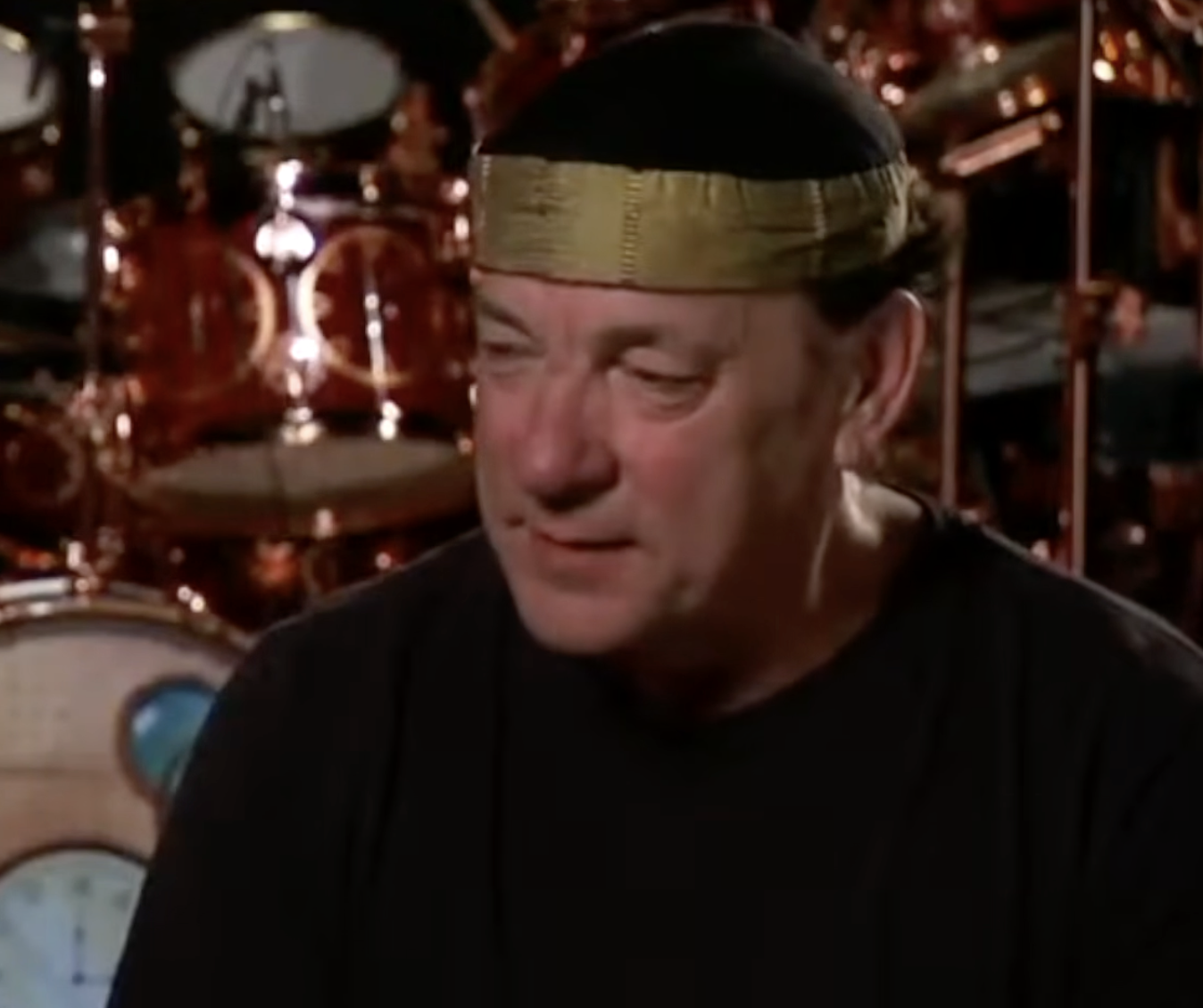
Neil Peart, pulled from the Taking Center Stage archive, spends nearly nine minutes on the unglamorous fundamentals that defined his career: hitting consistently night after night, tuning a kit so it speaks the same in a stadium as it does in a studio, and respecting the backbeat as the job rather than a chore beneath the chops. He also gets into the sheer physicality of the gig and how his live setup diverges from what he reaches for in the studio.
It is a rare window into the thinking behind the playing, and at 532 seconds it earns the deep dive slot. Worth sitting with whether you grew up transcribing Rush or just want to hear one of the craft's most methodical minds talk shop.
🐄 gregg bissonette and his cowbell, unleashed on "afro blue"
Gregg Bissonette digs into "Afro Blue" from Andy Summers' 1997 album The Last Dance of Mr. X, and at nearly seven minutes it's the kind of clip you actually sit with rather than scroll past. Mongo Santamaria's 3/4 standard has been a proving ground for everyone from Elvin to Roy Haynes, and Bissonette brings his own voice to it: that deep jazz vocabulary he rarely gets to flex in the rock and pop sessions he's best known for.
Watch how he navigates the waltz feel without ever letting the pulse get stiff, and how his solo phrasing breathes around the melody instead of bulldozing it. A small masterclass in taste from a player whose range keeps getting underestimated.
🎓 Practice & Skills
🧠 richard spaven's pre-gig warmup: one triplet cell, six placements
@Vic Firth
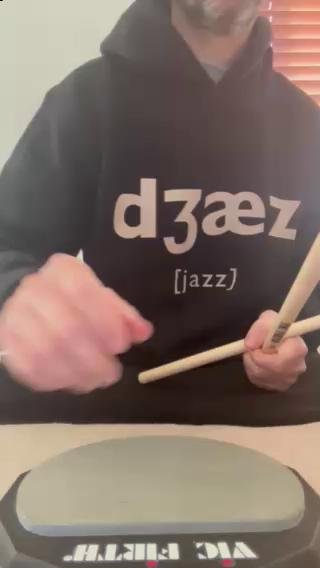
Richard Spaven's pre-gig warmup is a hand-and-mind primer disguised as a triplet exercise: triplets with open drags layered onto each note of the triplet, cycled 1 through 6. Walk away knowing how to use one simple cell to rewire where your accents and ornaments land before you ever touch the kit.
Here's the idea: play steady triplets, and add an open drag (two distinct grace strokes, not a buzz) on one note of the triplet at a time. Pass 1 puts the drag on the first partial, pass 2 on the second, pass 3 on the third, then pass 4 puts drags on the first two, pass 5 on the last two, pass 6 on the outer two. Each pass shifts where the ornament sits against the pulse, so your ear and hands stop defaulting to "drag on the downbeat." Start slow enough that the two grace notes are clearly articulated and even in volume, not crushed. A click around 60 to 70 bpm counting triplets is plenty. Keep the main triplet stream rock steady; the drag should decorate it, never rush it. Once it feels clean on a pad, move it to the kit and orbit the drags around toms or voice the main triplet between snare and hats. Spaven points out it works with any subdivision, so try the same placement game inside sixteenths or quintuplets.
The takeaway: one cell, six placements, and suddenly every drag fill in your vocabulary has new addresses to live at.
⏱️ how to spot and fix your timing
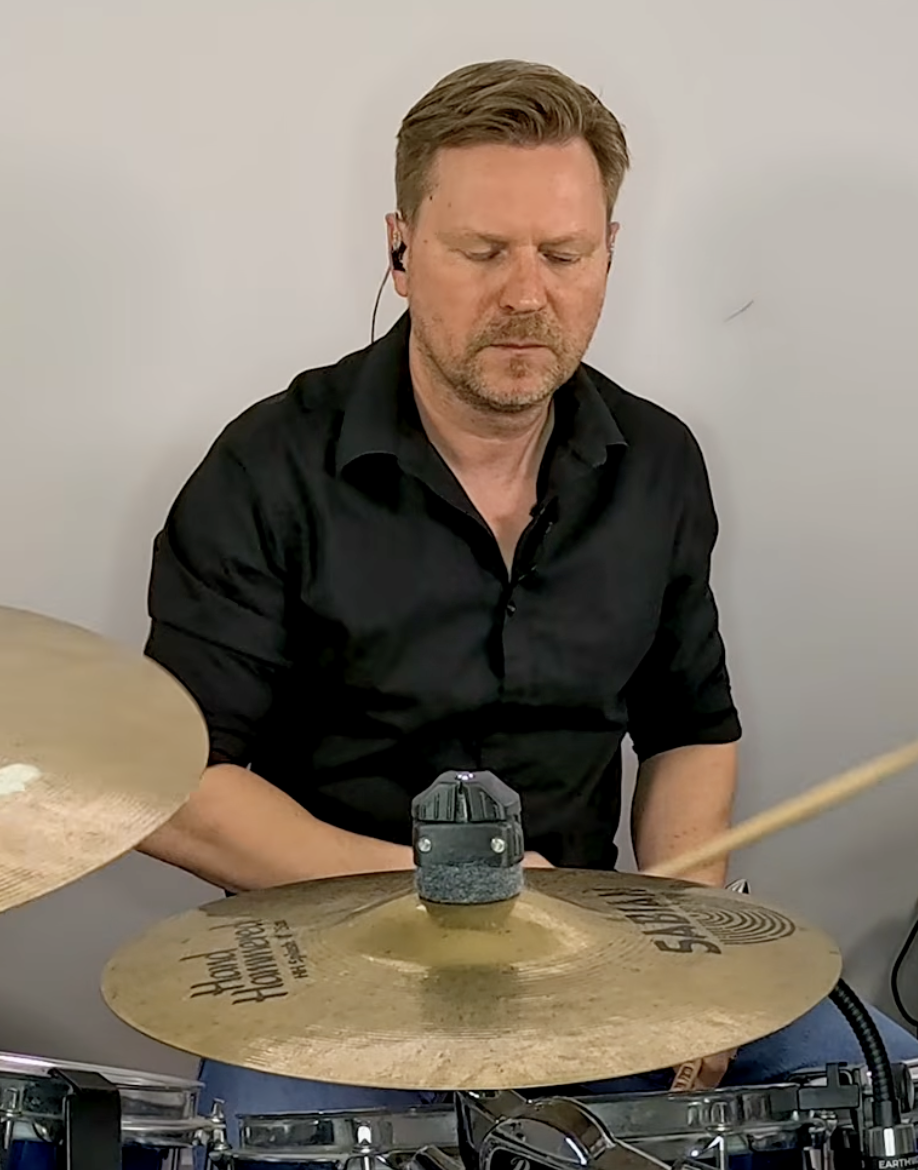
Marty B. Drums has played over 1,000 professional gigs, and he says rushing is the single biggest groove-killer he hears in working drummers. His five-minute lesson breaks down how to spot it in your own playing and offers one drill aimed at building a pro-level pocket, with a small twist on standard metronome practice that most players skip.
Most rushing happens in two places: when you get excited going into a chorus, and when you come out of a fill. Marty's fix centers on reframing the metronome from a crutch into a reference point, then deliberately stress-testing your time around fills so the tempo doesn't lurch when the groove returns. Try this today. Put the click on a slower tempo than feels comfortable, around 75 to 85 bpm, and play a basic groove for two minutes without stopping. Then add a one-bar fill every four bars and listen for whether beat 1 lands exactly with the click or just ahead of it. If you're early, you're rushing, and the common culprit is playing fills louder and faster than the groove around them. Keep fill dynamics matched to the groove, and let the click confirm beat 1 rather than chase it.
Steady beats fast, every time.
That's it for today! Thank you for carving out time to read! This community means a lot to me, and I'm grateful you're here. 🙏
If you have feedback, a story, or something you'd love to see in the newsletter, just reply to this email. I read every message and respond to each one.
Happy drumming,
Matteo