
Together with
I put this together because I got tired of digging through method books every time I wanted to drill a specific rudiment. It's a 4-page printable covering all 30 essentials — stickings, BPM targets to aim for, and skill tags so you can quickly find what to work on depending on whether you're building speed, control, or independence.
Print it, stick it on the wall behind your kit, and you've got a practice roadmap that's actually there when you sit down. You can grab it here — it's a small way to support Daily Drummer and hopefully save you some fumbling around at the same time.

⚡ Quick Hits
🕊️ matt mcguire's take on billie eilish's biggest hit
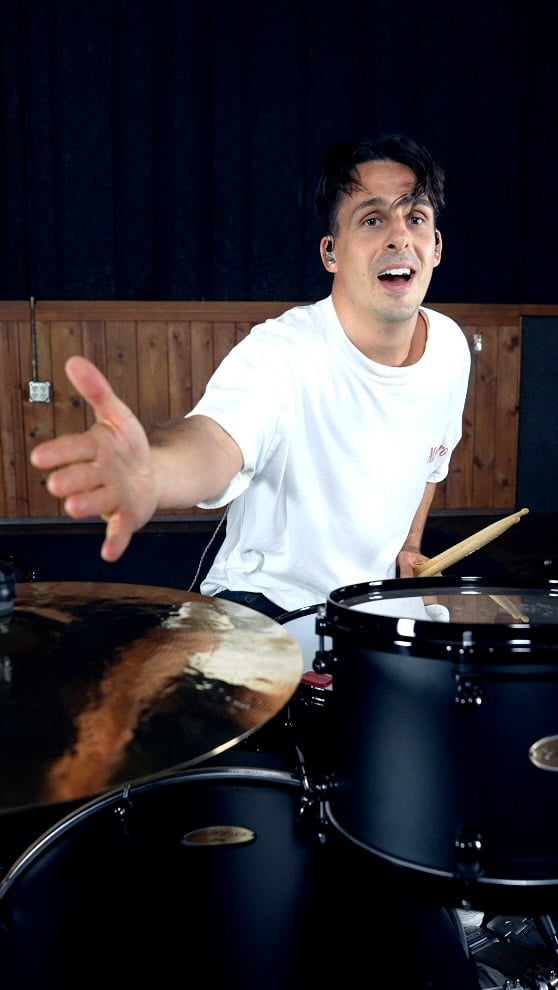
@Matt McGuire
Matt McGuire flips Billie Eilish's "Birds of a Feather" into a drum cover, layering feel and dynamics onto a track that barely has room for a backbeat. The Chainsmokers touring drummer keeps it tasteful rather than busy, and that restraint is why the reel is catching on. A quick, satisfying watch for anyone who likes pop reinterpreted through the kit.
🎤 vinnie colaiuta chorus, captured with just 2 mics
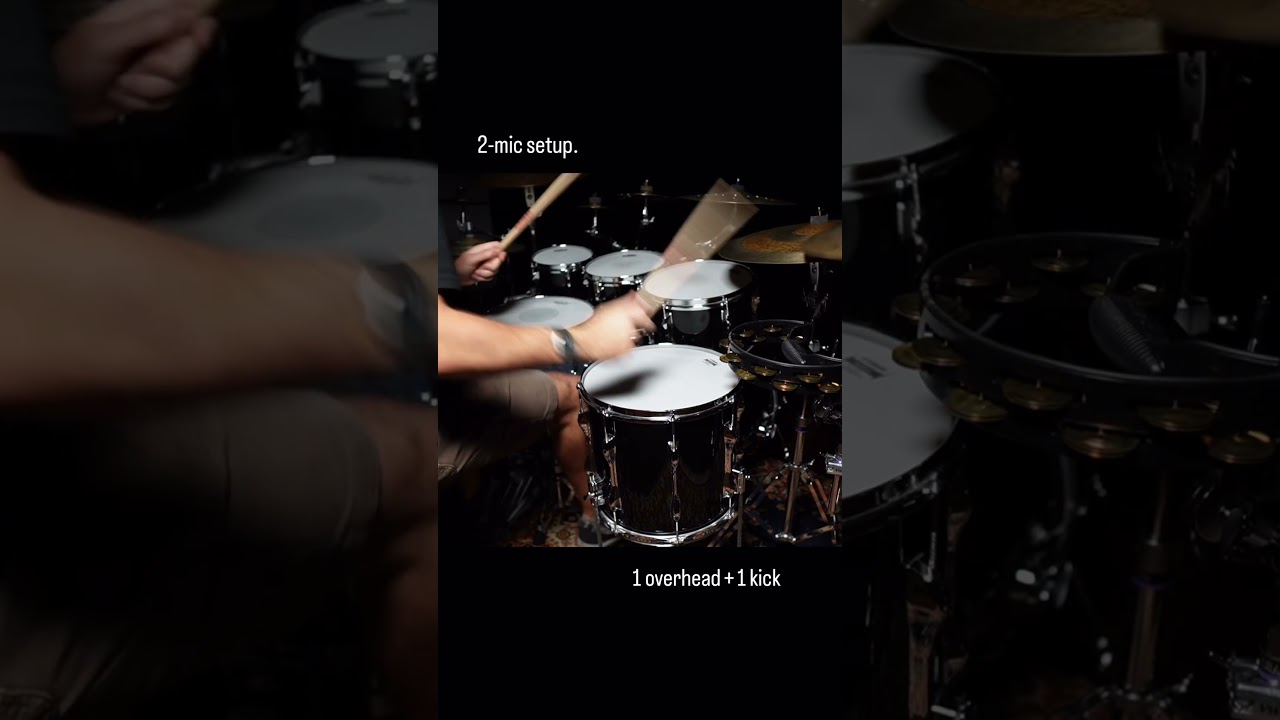
Vinnie Colaiuta gets the spotlight in this 60-second Stan Bicknell short, with just two mics carrying the entire chorus. It's a quick lesson in how minimal miking can still capture a huge, full-bodied groove when the player and the room are doing the heavy lifting. Worth a minute of your scroll.
🛒 Gear Picks
🎷 inside noah fürbringer's black suede kit for moses yoofee trio
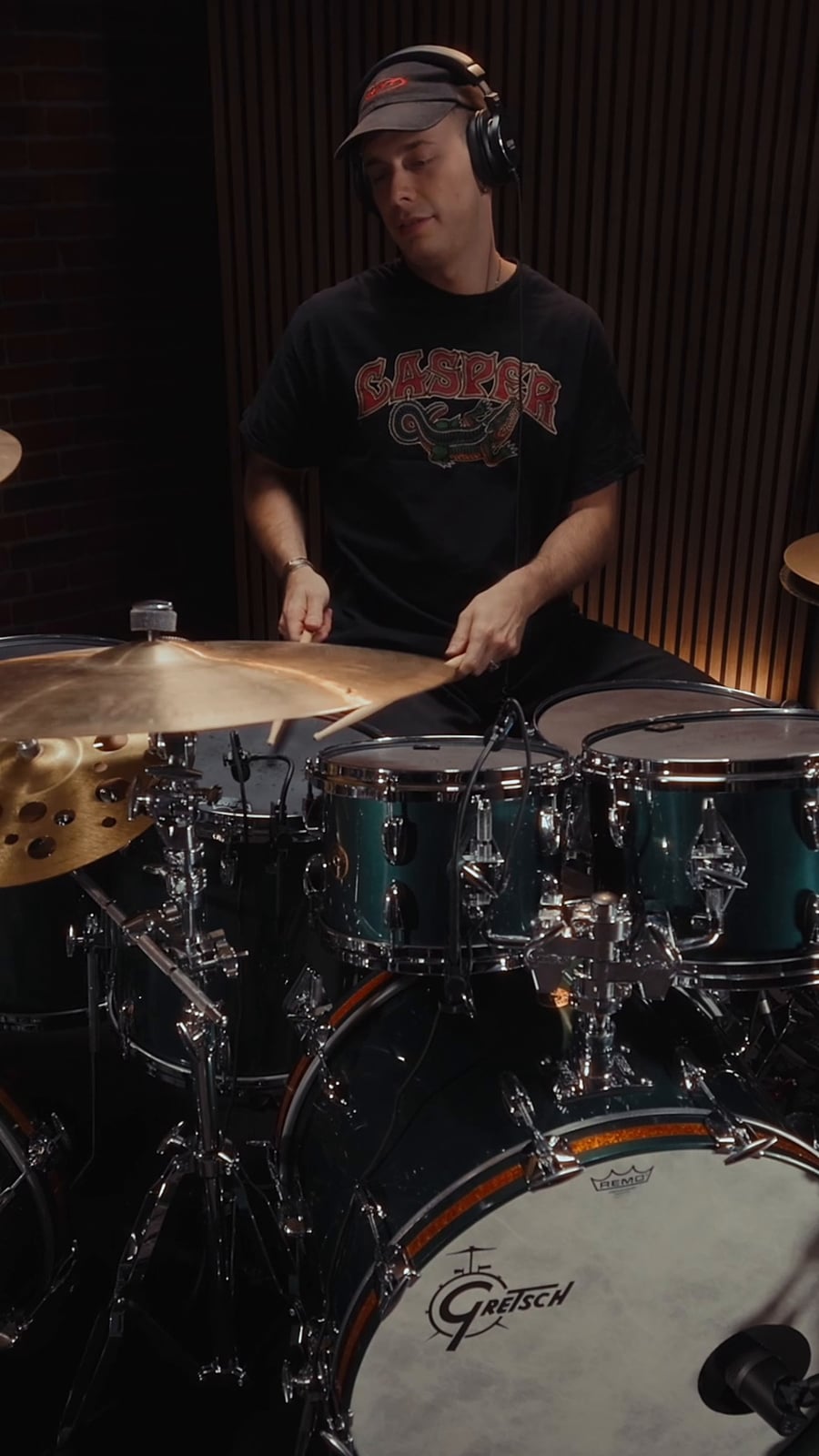
@Remo Inc.
Noah Fürbringer's Gewa Music session in Adorf finds him laying into Moses Yoofee Trio's "Minor Issues" on a Remo Black Suede setup across snare, toms, and kick.
The Black Suede coating is the story here, giving the toms a drier, more focused voice that suits the trio's slippery jazz-fusion pocket without choking the sustain. The kick reads punchy but controlled, and the whole kit sits together in a way that lets Fürbringer play loose without the drums getting washy.
🖤 the black suede heads currently on sale!

Remo's 14" Ambassador Black Suede is a sleeper snare batter for players who want the crack of a single ply without the bright glare of a coated top. The suede finish tames some of the high-end sizzle, pushing the voice into the mid-range while leaving stick attack and tuning range wide open. Warm lows, defined attack, and it seats easily across birch, maple, and cast metal shells.
It's on sale on Amazon right now, which makes it a low-stakes way to darken a snare that's leaning too crisp without giving up the classic single-ply response.
🌊 Deep Dives
🎓 neil peart's rules on consistency, tuning, and backbeats

Neil Peart on consistency, tuning, backbeats, and the physical toll of a night behind the kit. Hudson Music pulled a segment from Taking Center Stage that hits the small stuff separating working pros from everyone else: how his setup shifts between studio and stage, why a backbeat has to sit in the same pocket take after take, and how tuning choices support that consistency rather than fight it.
It's Peart in teacher mode, plainspoken and technical, talking about drumming as a craft you defend against your own body and mood every night. Worth the sit for anyone who wants to hear a famously disciplined drummer explain what discipline actually looks like at the kit.
🎓 Practice & Skills
❗ jp bouvet's trick to end every fill with impact

JP Bouvet wants you to stop letting your fills fizzle out. In a short clip, he pitches a simple idea: put an exclamation mark on the end of your fill so it actually lands instead of just running into the downbeat. A fill needs a punctuation move, not just more notes.
Think of the exclamation mark as a deliberate accent at the tail of the phrase. That could be a loud crash-and-kick together, a rimshot on the snare, a china choke, or a big flam right before the "one." The point is contrast. If the whole fill is sixteenth notes at the same dynamic, nothing pops. Pick your final hit and commit to it louder, lower, or more jagged than everything around it. Try this today: take a basic four-beat sixteenth-note fill around the kit, and instead of ending on a natural snare hit going into beat one, end it a sixteenth early with a snare accent, then hit crash and kick together on the downbeat. Start around 80 to 90 BPM so you can hear the space. Common mistake to avoid: cramming notes all the way to the barline. Leave a little air right before the exclamation so the ear resets. Try it on something with clear song-form payoffs, like a chorus entry in a rock tune where the band expects a signpost.
Fills tell a story. Give yours a punchline.
🧠 split the paradiddle across kick, snare, and hi-hat
@Pavel Mamonau
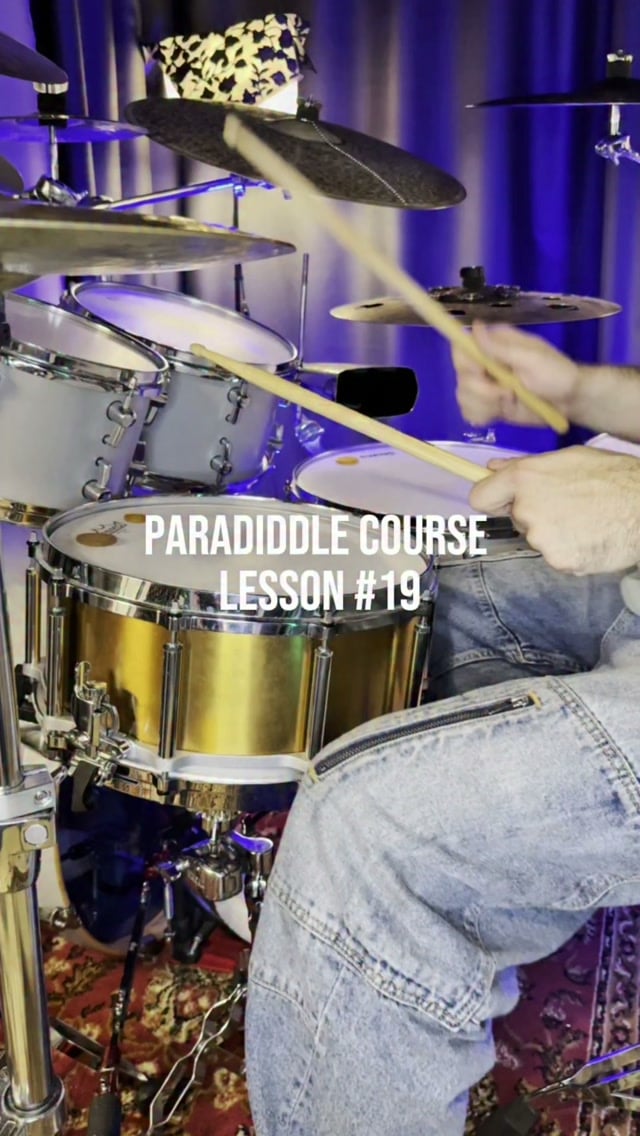
Pavel Mamonau's Paradiddle Course has a coordination puzzle worth stealing for your practice pad time: split a single paradiddle between kick and snare while the right hand rides hi-hat through every 16th-note position. The goal is feeling each subdivision under a moving limb, not just counting it.
Here's the shape of it. Your feet and left hand carry the paradiddle sticking (RLRR LRLL, voiced as kick and snare), and your right hand plays hi-hat on a shifting grid: first the downbeat 16th, then the "e," then the "and," then the "a." Once you can loop each position cleanly, run the hi-hat as straight 8ths, then as 16th-note offbeats. The kick-snare paradiddle underneath never changes. It's brutal in the best way, because your ear wants the hi-hat to lock with the paradiddle accents and this exercise refuses to let it.
Start painfully slow, somewhere you can actually hear which 16th the hi-hat is landing on. A metronome with a 16th-note subdivision helps. Isolate one hi-hat position for a full minute before switching. The common trap: rushing the "e" and "a" positions because they feel unnatural, which drags the kick with them. Fix the hands, and the feet stay honest. Apply it to any groove where you want the hi-hat to float against a rudimental foot pattern. Takeaway: one paradiddle, four hi-hat placements, and every 16th finally feels like home.
🌀 quincy davis breaks down a signature bill stewart fill
@Quincy Davis
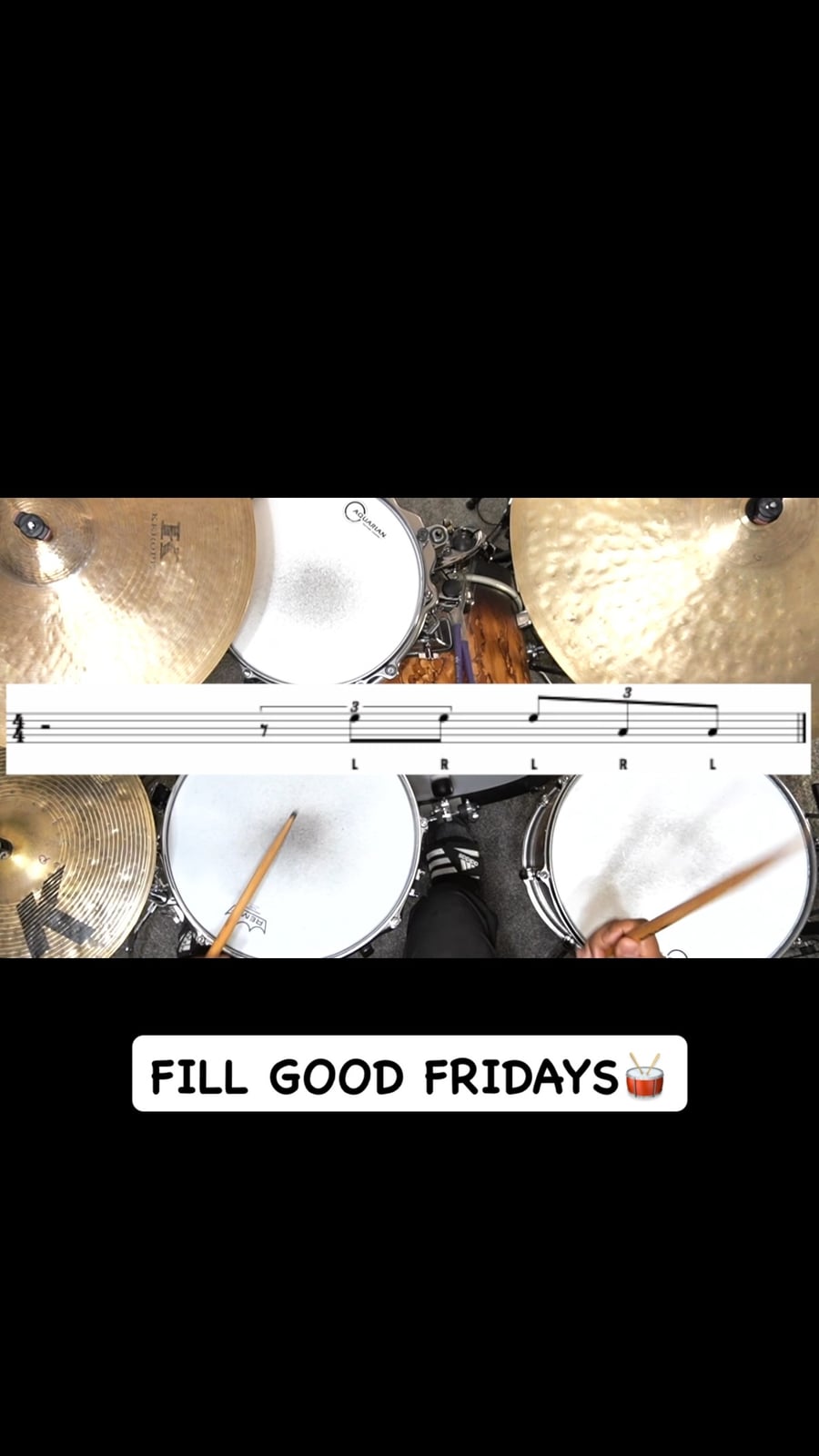
Bill Stewart's fill vocabulary is one of the more distinctive corners of modern jazz drumming, and Quincy Davis just pulled a page from it into a short clip worth rewinding. Watch it once for the feel, then a few more times for the mechanics: Stewart's fills tend to blur the barline, mix binary and triplet phrasing inside the same gesture, and voice around the kit in ways that sound conversational rather than pre-baked. Davis is opening a door here more than handing you a lick.
Treat the clip as an ear-training exercise before a chops exercise. Loop the fill, sing it, then tap it on your leg until you can hum it away from the kit. Only then move to the drums. Start well under performance tempo, medium swing feel, and get the orchestration right before you chase the speed. Two common traps to avoid: locking every note to a rigid triplet grid (Stewart floats between subdivisions, so let the phrase breathe), and hammering the fill at full volume (his fills usually sit inside the dynamic of the tune, not on top of it). Try dropping it into the last two bars of a jazz standard you already play, or over a slow medium ride pattern in 4/4, and resist the urge to resolve neatly on beat 1. Let it land a little late or a little early.
The takeaway: study Stewart's fills as phrases, not patterns.
That's it for today! Thank you for carving out time to read! I'm grateful you're here. 🙏 If you'd like to support the newsletter, consider joining our premium tier.
If you have feedback, a story, or something you'd love to see in the newsletter, just reply to this email. I read every message and respond to each one.
Happy drumming,
Matteo