
Sponsored by

Your Retirement Savings Need to Outlast You

Most retirement plans underestimate two things: how long your savings need to last, and how quietly inflation erodes them along the way.
The 15-Minute Retirement Plan helps you close both gaps with practical guidance on longevity risk, purchasing power, and building a financial plan that doesn't run out before you do.
If you have $1,000,000 or more saved, download your free guide to start.

⚡ Quick Hits
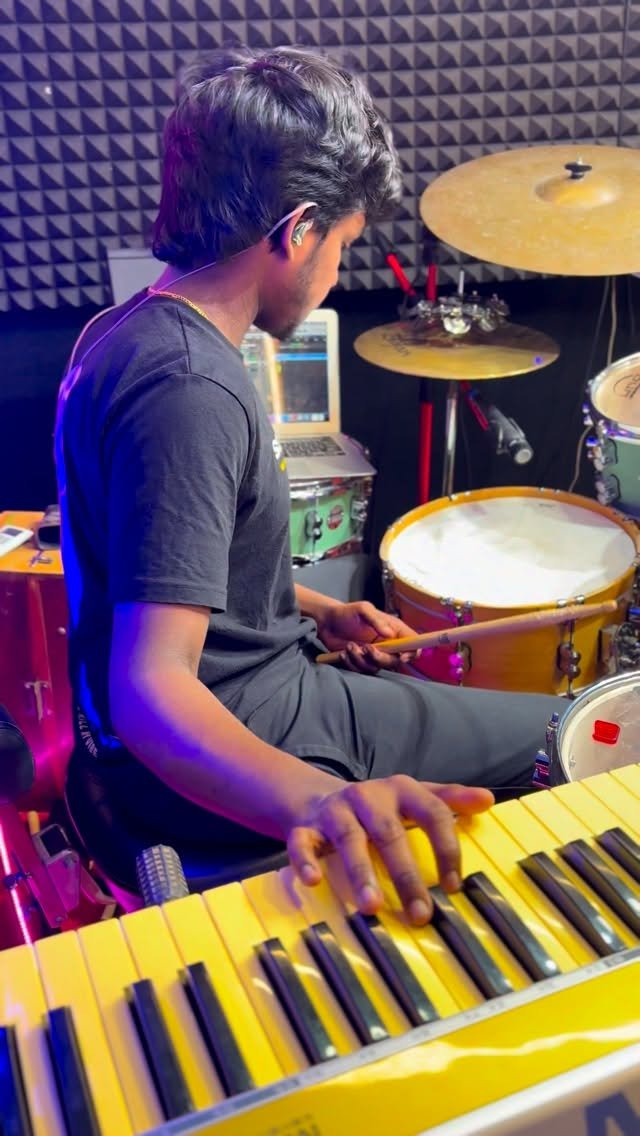
🎹 one-man duet on chick corea's spain, keys and kit at once
@Sajan Drummer
Sajan Drummer takes on Chick Corea's Spain as a one-man duet, working the keyboard with one hand while comping the kit with the other. The reel has pulled in over 12,000 views, and it is easy to see why: the montuno stays locked, the ride pattern keeps swinging, and neither side of the rig sounds shortchanged. A genuinely impressive coordination flex on a tune that already asks a lot.
🤘 limp bizkit's break stuff, but make it metal in 39 seconds
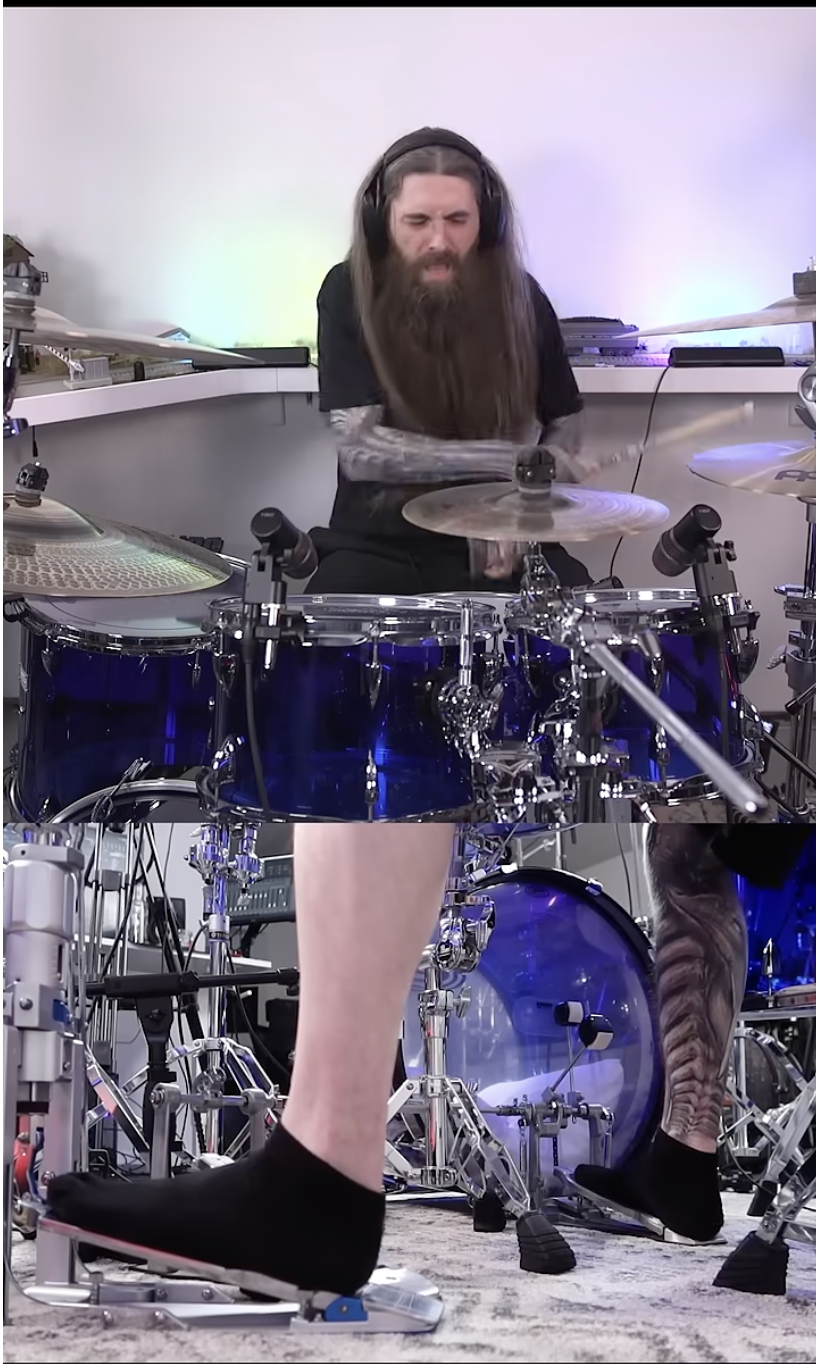
66Samus rips through Limp Bizkit's Break Stuff on his OCDP kit, and the surprise is that he plays it straight, no double-kick gallops, no metal makeover, just the bratty backbeat that made the original hit so hard in 1999. Forty seconds is enough to remind you that nu metal grooves were built on attitude, not chops. Cue up Significant Other and let the rest of your morning rot.
🛒 Gear Picks
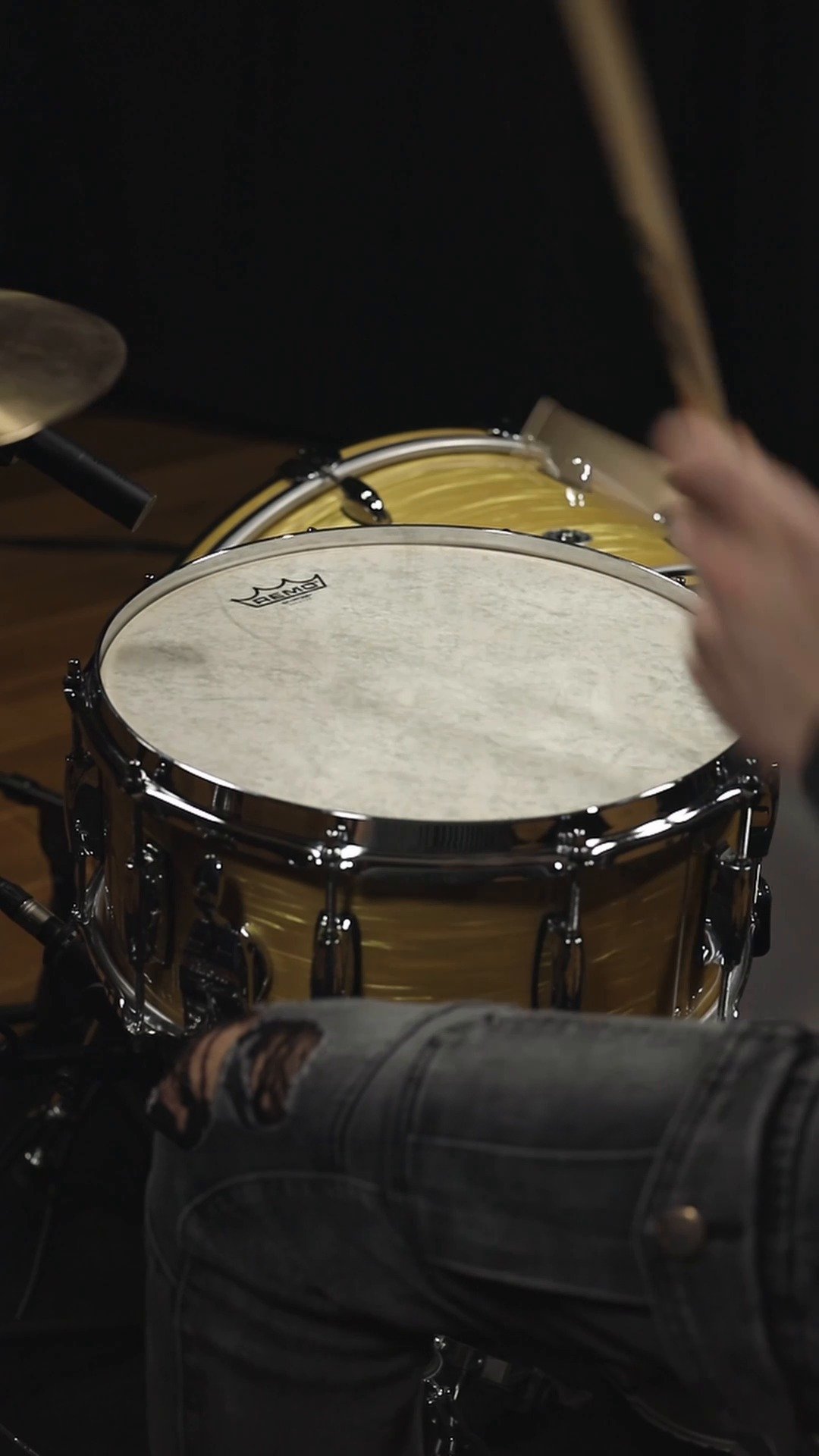
🐄 calf tone without the calf drama: 4 remo heads compared
@Remo Inc.
Remo's calf-tone family gets the A/B treatment in a new clip with TheArtofDrumming, demoing four heads on a 6.5x14 Gretsch Brooklyn maple/poplar snare with 302 hoops and an Ambassador Hazy underneath. The Diplomat Skyntone and Diplomat Fiberskyn lean sensitive with a subdued stick attack, while the Ambassador Fiberskyn and Ambassador Renaissance push into darker, midrange-warm territory.
🥁 the two-ply Remo tom pack hard rockers swear by, $12 off
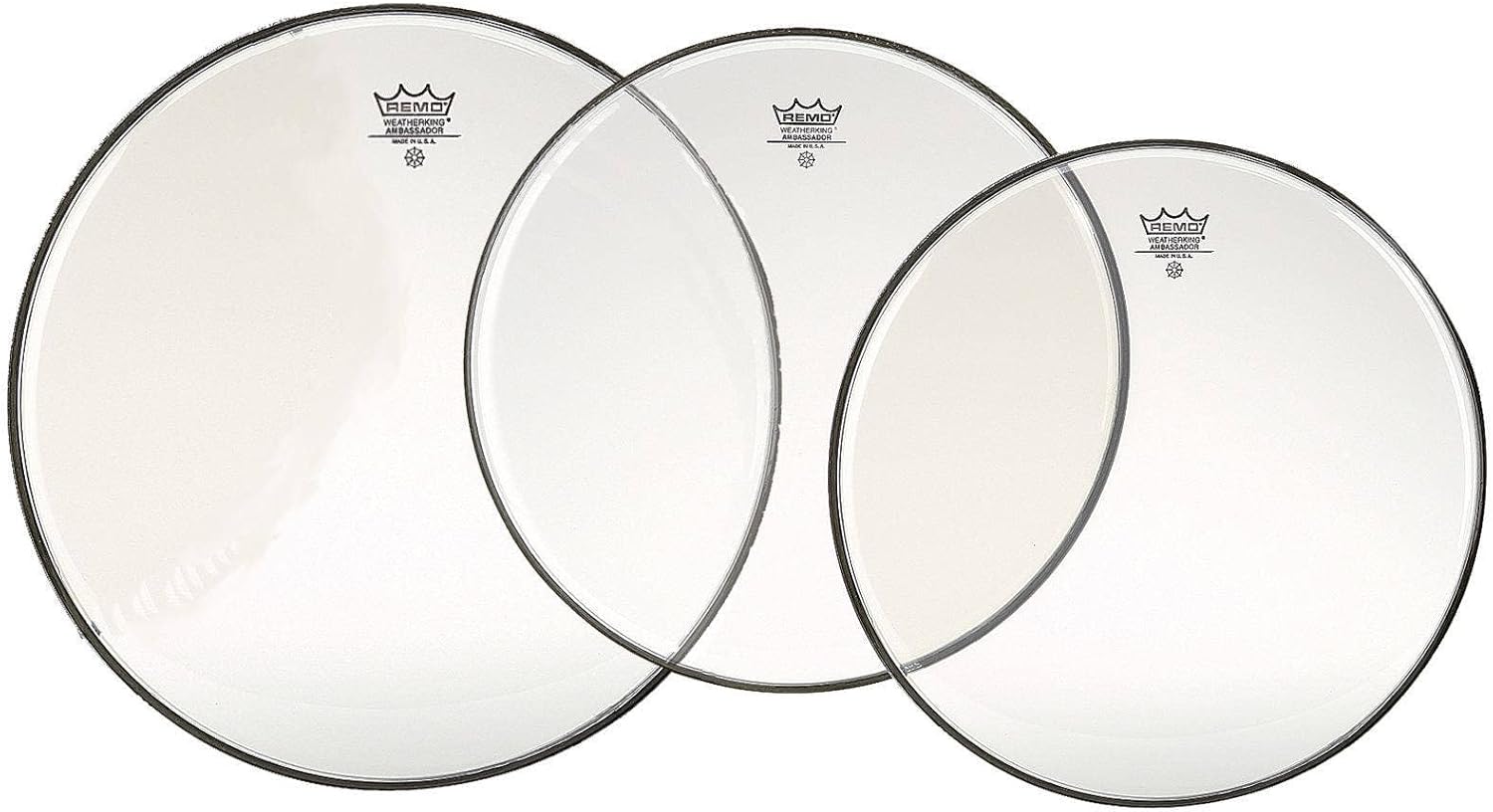
Remo's Emperor Clear tom pack pairs 12, 13, and 16 inch heads built from two free floating plies of 7 mil Mylar, the recipe that's made these a studio and stage workhorse for hard rock, funk, and R&B players for decades. The two ply construction trades a touch of the Ambassador's airy openness for attack, projection, and the kind of durability that survives heavy hitters who actually dig in.
🌊 Deep Dives
🎶 zach doobie's cymbal-led take on "pathways"
Zach Doobie performs Joel Turcotte's "Pathways" for Meinl, a four-minute showcase that doubles as a window into a thoughtfully assembled cymbal setup. The centerpiece is a 22" Byzance Monophonic Ride with rivets Zach installed himself, paired with 14" Byzance Jazz Thin Hats wearing a dry Ching Ring, plus a Temporal Stack II with a modified bottom cymbal for textural punctuation. A 21" Byzance Dark Ride, 22" Byzance Vintage Crash, 20" Classics Custom Dual Crash, and 8" Crasher Hats round out the kit.
Worth sitting with because the piece itself breathes. Doobie phrases through dynamics rather than chops, and you can hear how each cymbal choice serves the composition. A small companion playlist breaks down each piece individually if you want to A/B the voices.
🎧 martina barakoska builds a country groove totally blind
Martina Barakoska sits down at Thomann's Drumbash with a drumless country track in her ears and no reference take to lean on, and the camera rolls while she figures it out in real time. You watch her first listen at the 0:20 mark, hear her start mapping the form by 0:55, and then commit to a final pass before she ever hears what the original drummer played.
The payoff is the structure itself. At 7:50 she finally compares her instincts against the record, and the conversation that follows is the kind of honest self-critique drummers rarely film. Worth ten minutes for the pocket choices, the fill placements, and the quiet lesson in trusting feel over reference.
🎤 inside metallica's arena drum sound with lars's tech

Jimmy Clark, Lars Ulrich's drum tech on the M72 World Tour, sits down with Sweetwater Soundcheck to walk through what it takes to get arena-grade drum sound across five different kits in rotation. He covers tuning philosophy, mic choices, and the logistical puzzle of keeping multiple setups tour-ready night after night, all built around the in-the-round stage Metallica has been hauling around the world.
If you've ever wondered how a tech actually dials a kit for a stadium mix, or how pros approach consistency across a long run, Clark's road-tested perspective is worth the watch.
Quick Poll:
What type of content do you look forward to the most? (Pick one!)
🎓 Practice & Skills
🦶 bonham, moon, and ward: 5 one-foot kick secrets
Bonham, Moon, and Ward built some of rock's heaviest grooves with a single bass drum, and Drumeo's 91-second lesson uses them as the jumping-off point for five concepts that sharpen your right foot. Walk away from this one with a clearer sense of why one-foot kick playing still feels weightier than most modern double-pedal work, and a short list of ideas to drill this week.
The throughline is control before speed. The clip opens up fast bass drum doubles, kick-into-fill placement, longer kick groupings that push a groove forward, and locking the bass drum into a swung feel. Pick one and live with it for a few days. For doubles, isolate the right foot at a slow tempo, somewhere you can play cleanly without the heel popping or the second stroke ghosting out, then nudge it up a couple of bpm at a time. For kick-in-fills, take a fill you already own and add a single kick on the "and" of beat 4, then experiment with kicks between hand groupings until the fill breathes differently. For swung kick patterns, put on "Fool in the Rain" or a Ward track from the first two Sabbath records and play along until your foot stops fighting the triplet feel.
The takeaway: one foot, played with intention, will out-groove two feet played on autopilot.
💥 simon phillips on why your crashes sound choked
@Rick Beato
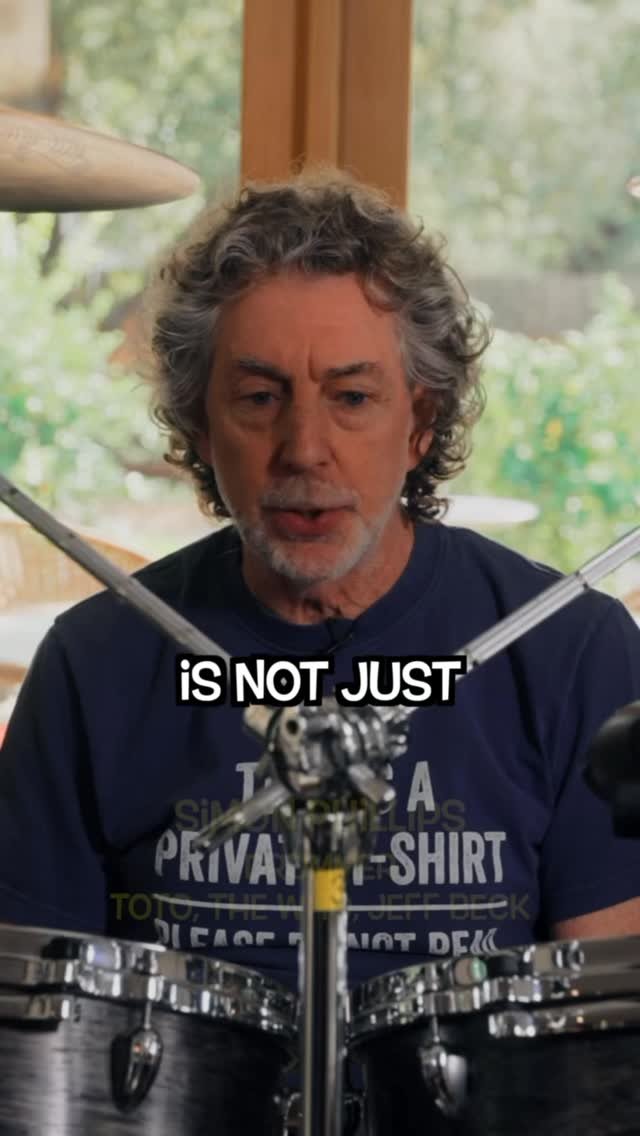
Simon Phillips, sitting with Rick Beato, gets into something most kit drummers underthink: how you actually strike a crash. Walk away from this one paying attention to where the stick meets the cymbal and what your wrist is doing at the moment of contact, because that's where a crash stops sounding choked and starts opening up.
The angle Phillips opens up is treating the crash less like a hit and more like a swipe. Glance the shoulder of the stick across the edge rather than punching straight into it. The cymbal needs room to move; if you're stabbing it, you're killing the wash before it blooms. Try this today. Pick a medium crash and play eight bars of basic time at around 90 bpm, accenting the crash on beat 1 of each bar. First pass, hit it dead on with a stiff wrist and listen. Second pass, loosen the grip, let the stick travel through the edge on a slight angle, and let your hand follow through past the cymbal instead of stopping at it. The difference is obvious. Common mistake to avoid: gripping the stick tighter when the song gets louder. Volume comes from stick height and follow through, not squeeze. Apply it to anything with big crash accents, a Toto style shuffle or a rock chorus, and you'll hear the cymbals breathe.
Hit through the cymbal, not at it.
🎯 your thin snare isn't an eq problem — it's a transient one
Audio University spends eight minutes making a case most drummers learn the hard way: if your snare sounds thin in the mix, no plugin chain is going to save it. The fix lives upstream of EQ and compression, in the transient itself. Walk away from this one knowing that the shape of your hit, not the curve on a parametric, is what makes a snare cut.
The argument is about transients. The initial spike of a snare hit carries the punch your ear reads as "fat," and if that transient is weak or smeared, no amount of low mid boost will rescue it. Translate that to the throne. Check your stick height and rebound first; a lazy stroke produces a lazy transient. Make sure you're striking near the center with a clean, decisive rebound rather than burying the bead. Tune the batter and resonant heads so they actually speak together instead of choking each other. And listen to your dynamics in context: ghost notes should breathe under the backbeat, not crowd it, because a backbeat only sounds huge when there's space around it. Record a phone clip of your groove, raw, no processing, and ask if the snare already sounds like a snare you'd want to mix. If it doesn't, that's where the work is.
Punch is played, not patched.
That's it for today! Thank you for carving out time to read! This community means a lot to me, and I'm grateful you're here. 🙏
If you have feedback, a story, or something you'd love to see in the newsletter, just reply to this email. I read every message and respond to each one.
Happy drumming,
Matteo