
In partnership with

Every headline satisfies an opinion. Except ours.

Remember when the news was about what happened, not how to feel about it? 1440's Daily Digest is bringing that back. Every morning, they sift through 100+ sources to deliver a concise, unbiased briefing — no pundits, no paywalls, no politics. Just the facts, all in five minutes. For free.

⚡ Quick Hits
🎸 fleetwood mac's "everywhere" — the left-hand tom trick that sells it
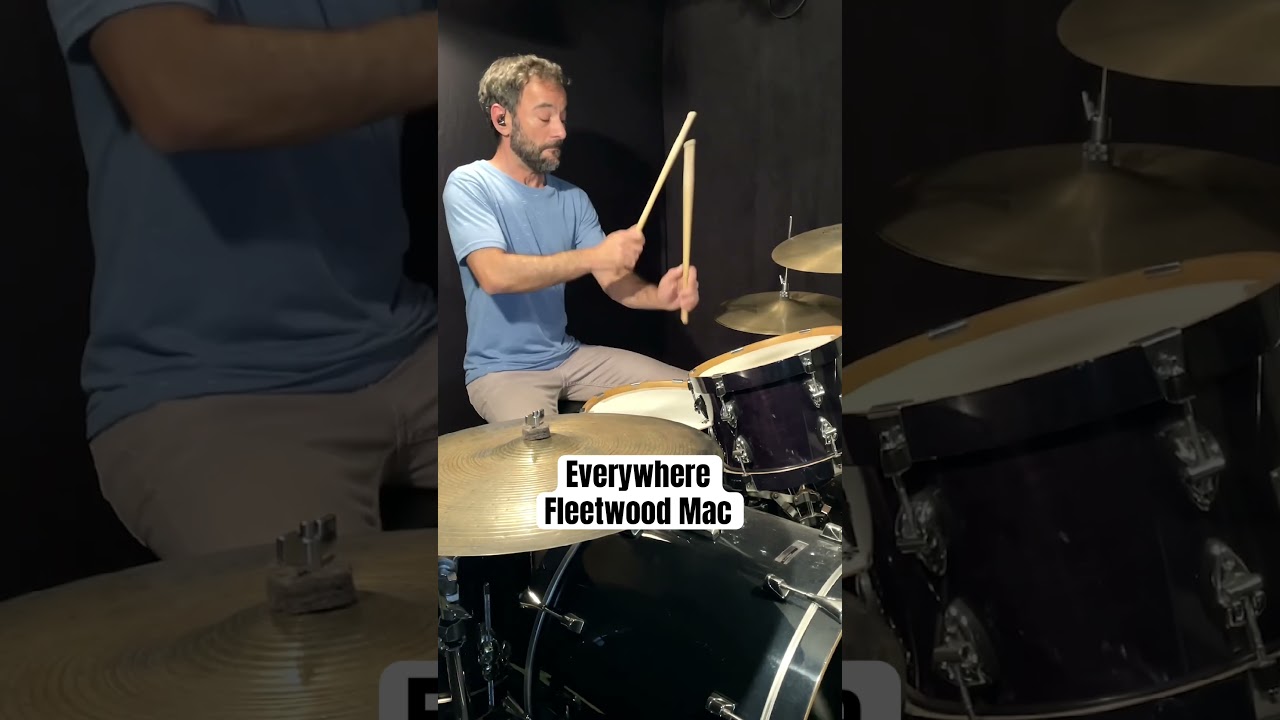
Fleetwood Mac's "Everywhere" gets a tidy Shorts breakdown from Simpledrummer, with the hook being a left-hand tom pattern that keeps the groove floating instead of locking to the snare. It's a 60-second play-along built for drummers who want that airy Mick Fleetwood feel without overplaying it. A clean lesson to steal for your next practice session.
🛒 Gear Picks
🥢 the practice pad with actual attack and bite

Evans' RealFeel Attacktile 10-inch pad takes the familiar gum rubber formula and adds a textured coating meant to bring out more attack and rebound than the standard RealFeel surface. That extra feedback is the whole pitch: you hear more of what your hands are actually doing, working sixteenths with 5As or trying to keep a brush pattern honest at low volume. It sits flat on a table, a lap, or drops right into a snare basket.
It's light enough to toss in a gig bag or on the tour bus without a second thought. The 10-inch size is the tradeoff worth flagging: great for rudiments and travel, tight for anyone who wants real estate to sweep brushes.
🌊 Deep Dives
🎸 how jeff beck's drummer manifested the gig — plus elvin's one-word advice

Mark Mondesir sits down with Drum Dog for a long conversation about the gigs that shaped him: his work with John McLaughlin, his time playing with Jeff Beck, and the week that ended with him sharing a stage with Jan Hammer. He also traces his three north stars behind the kit — Billy Cobham, Tony Williams and Elvin Jones — and passes along a short piece of advice Elvin gave him at a soundcheck.
The through line is how the great gigs actually find a player, and Mondesir's answer isn't the usual hustle sermon. Between the McLaughlin Fourth Dimension years and his admission that he's never quite felt he's 'made it,' it's a conversation worth sitting with in full.
🎓 Practice & Skills
⚡ jp bouvet's trick for locked-in triplet kicks

JP Bouvet has a new Short zeroed in on one very specific problem: fast, consistent triplet kicks. If your right foot turns to mush the moment you push tempo, this is the clip to sit with today.
Triplet kicks live or die on evenness. The gap between the first, second, and third note has to feel identical, and it's usually the middle note that betrays you, either rushing into the third or dragging behind the first. Before you chase speed, park the metronome somewhere unglamorous, around 80 to 90 bpm, and play straight eighth-note triplets on the kick under a simple hand groove. Listen for that middle partial. If it's flamming with the hi-hat on the 'trip' of one-trip-let, you've found your problem. From there, work in short bursts: four bars of triplets, four bars of rest, and only nudge the tempo up when every note sits cleanly under the click. Heel-toe, slide, swivel, ankle: pick the technique you already use and refine it before shopping for a new one. Common trap: gripping the leg and squeezing volume out of each stroke. Stay loose, let the beater rebound, and keep the dynamics even rather than accenting the downbeat.
Apply it to something musical, like the triplet gallops in Slayer's 'Angel of Death' or the kick fills in any modern metal tune, once the click feels boring. Even beats speed. Always.
🎷 10 swung fills every drummer should steal
@Jeff Randall
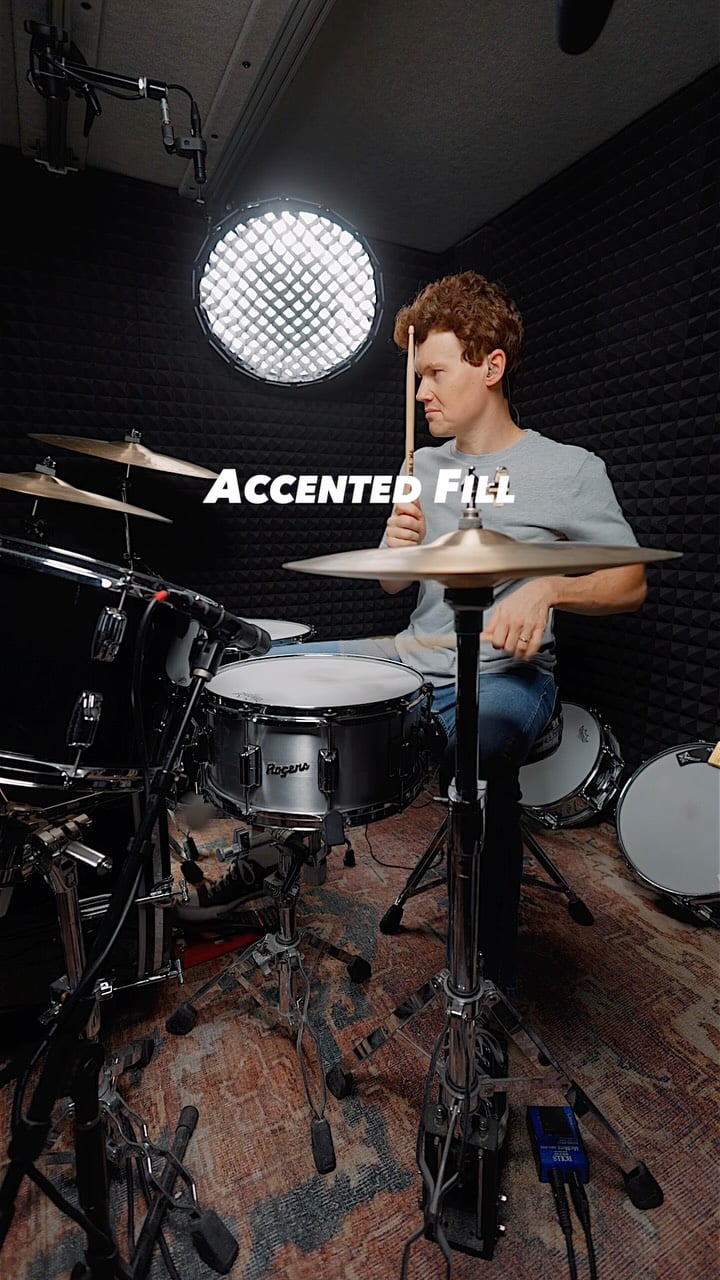
Jeff Randall posted a reel of 10 swung fills, and it's the kind of vocabulary bank worth stealing from this week. Walk away with a fresh set of triplet-based ideas you can drop into shuffles, jazz tunes, gospel ballads, and half-time swing grooves without sounding like every other drummer at the session.
Swung fills live in triplet space. Instead of thinking in 16ths, you're phrasing in 8th-note triplets or shuffled 8ths, which means your hands and feet need to breathe with that long-short pulse rather than fight it. Pull up Randall's clip, pick two fills that sound the least like anything you already play, and loop them at a slow tempo around 70 bpm over a shuffle groove. Count the triplets out loud so the spacing locks in before you speed up. The most common trap is straightening the fill out under pressure and landing it as stiff 16ths on the recording. If that happens, drop the tempo again and sing the fill before you play it. Once two feel automatic, put them to work on something like Rosanna, a Steely Dan cut, or any 12/8 blues you've got on hand.
The takeaway: swung fills aren't harder patterns, they're the same ideas with a triplet accent, and stealing two solid ones from a player like Randall beats grinding through ten you'll never use.
🥢 steal this slick linear fill in under a minute
@Michał Jakubowski
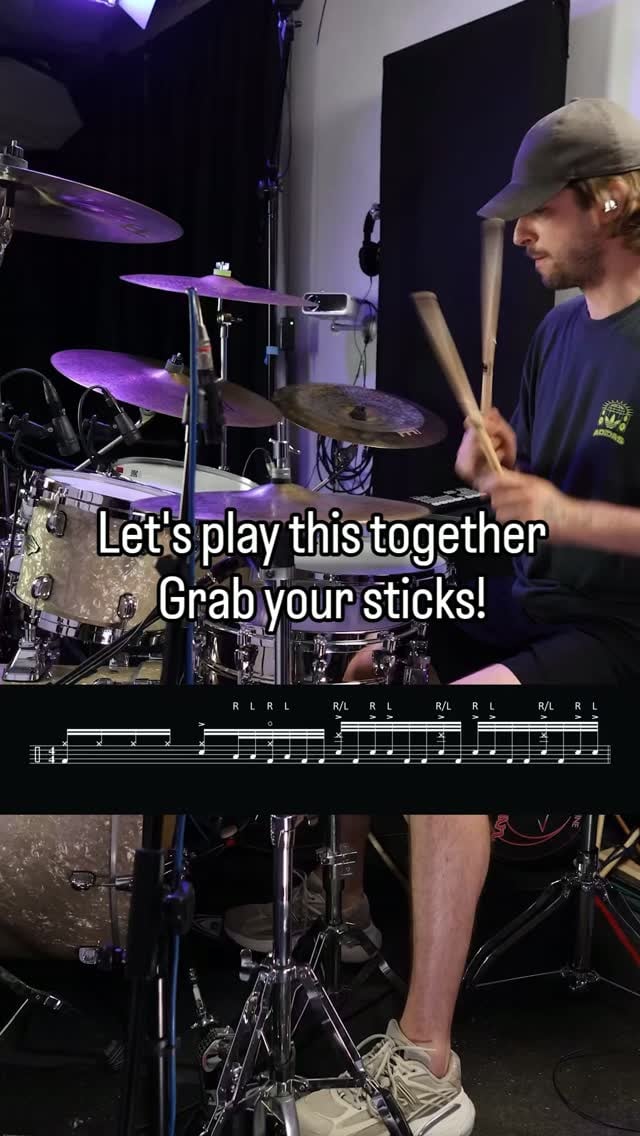
Michał Jakubowski posted a quick linear fill lesson this week, and the framing is worth your attention: linear phrasing, where no two limbs hit at the same time, is one of the fastest ways to make a fill sound modern without adding speed. If you take one thing away today, let it be that spacing your voices out in a single-line stream can turn a tired flurry into something that actually breathes.
Pull up his reel and loop the fill a few times before you touch the kit. Sing the sticking out loud, then play it at a tempo where every note is clean, probably slower than you think. A common trap with linear ideas is rushing the kick placements to catch up with the hands, which collapses the whole point of the phrase. Isolate the feet first, add the hands second, and only then chase the tempo. Try dropping it into the last bar of a groove you already play well, whether a straight eighth rock pattern or a half-time backbeat, so the fill has real context instead of living in a vacuum.
Side note worth filing away: Jakubowski recorded the clip with just room mic, overheads, and kick because he forgot to arm the tom and snare mics, and it still sounds usable. Good overheads cover a lot of sins. Learn the fill, and take the recording lesson with it.
That's it for today! Thank you for carving out time to read! I'm grateful you're here. 🙏 If you'd like to support the newsletter, consider joining our premium tier.
If you have feedback, a story, or something you'd love to see in the newsletter, just reply to this email. I read every message and respond to each one.
Happy drumming,
Matteo