
Sponsored by

What Will Your Retirement Look Like?

Retirement looks different for everyone. What it costs, where the income comes from, how long it needs to last. Those answers are specific to you.
The Definitive Guide to Retirement Income helps investors with $1,000,000 or more work through the questions that matter and build a plan around the answers.
Download your free guide to start turning a savings number into an actual retirement income strategy.

⚡ Quick Hits
🎹 stan bicknell channels collins on a genesis favorite
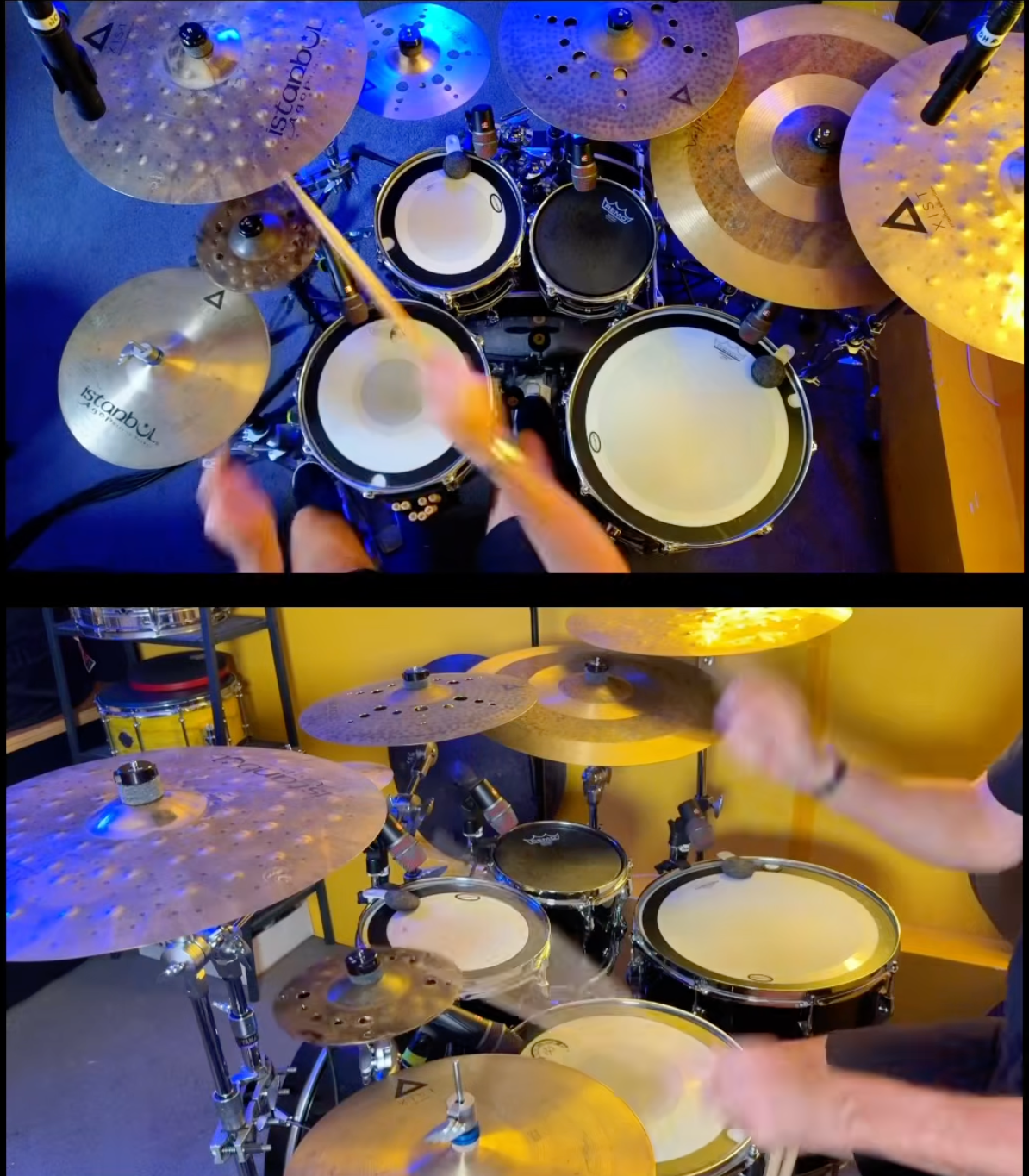
Stan Bicknell tears into one of his favorite Genesis tracks in a 60-second short, channeling the Collins/Thompson school of fills with the kind of muscular precision that made those records sing. No setup, no chat, just the groove. A quick reminder of how much drumming personality you can fit into a minute.
🎹 blaque dynamite's polyrhythmic fills steal this santa monica trio jam
@Jammcard - Music Professional Network
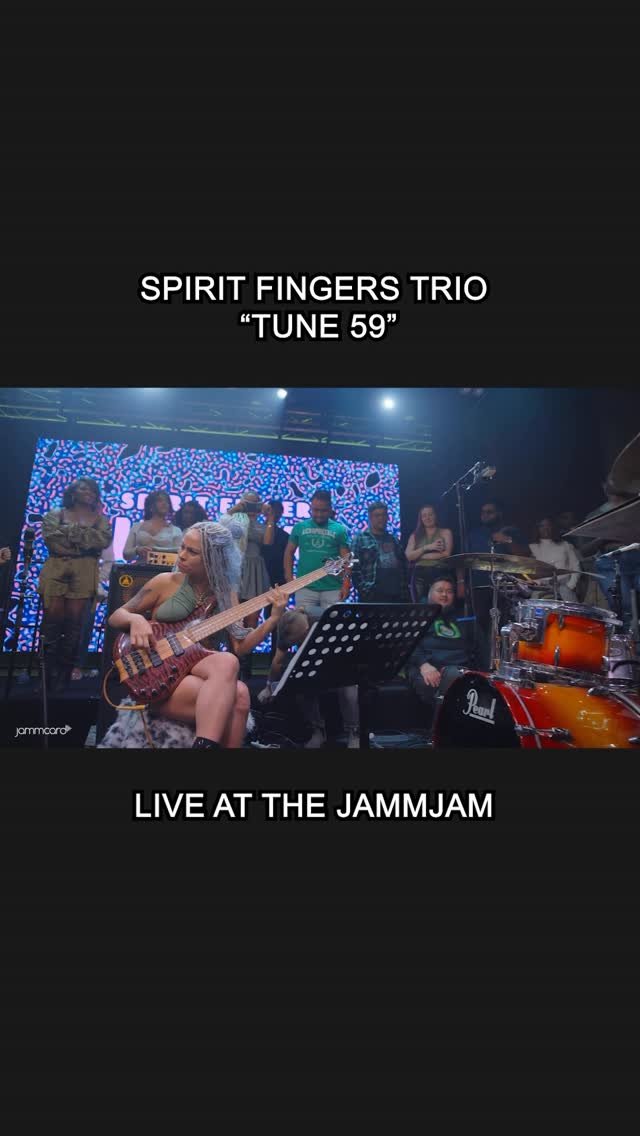
Spirit Fingers Trio tore into "Tune 59" at a JammJam in Santa Monica with Greg Spero on keys, Blaque Dynamite behind the kit, and Mohini Dey holding down bass. The improvised stretches are where Blaque Dynamite really opens up, weaving polyrhythmic fills around Dey's runs without ever stepping on the groove. Filmed at therecording.club, it's the kind of room-temperature trio interplay that makes the case for live capture.
🛒 Gear Picks
🖤 jermaine poindexter's all-black head setup, decoded
@Remo Inc.
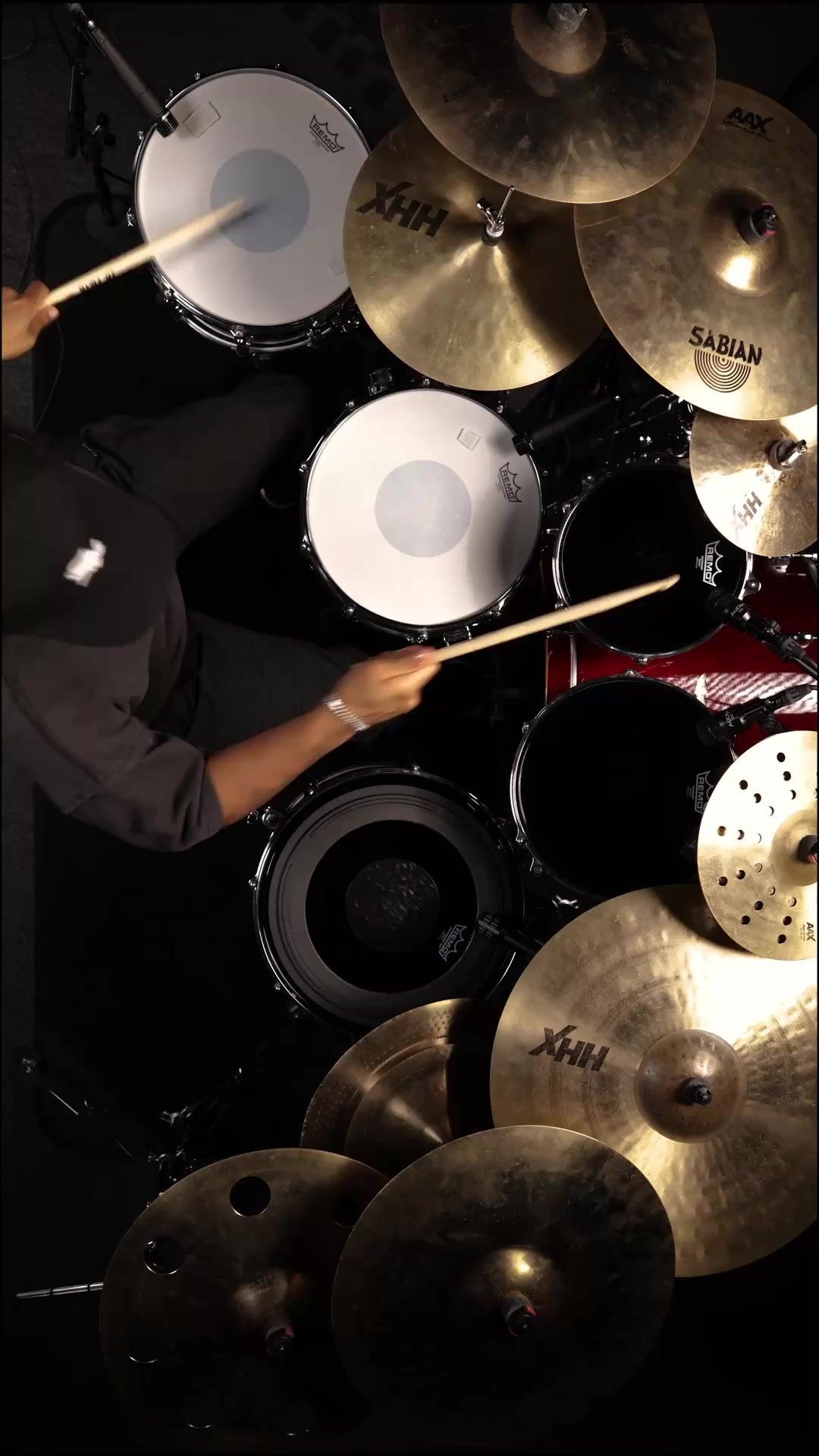
Jermaine Poindexter sets up his Tama kit at Remo HQ in Valencia for a performance of "Thankful," and the head choices tell the story. A Controlled Sound Coated handles snare duty, while Emperor Ebony and Ambassador SMT Ebony heads cover the toms, with another Ambassador SMT Ebony on the kick. Crown Control Gels in clear keep overtones in check without muting the life out of the drums.
It's a study in matching black film heads across a kit for a focused, modern voice: the Emperor's two-ply weight on the rack toms paired with the single-ply SMT's openness elsewhere, all anchored by that classic Controlled Sound dot up top.
🌊 Deep Dives
🎤 prog legend portnoy takes on taylor swift's "shake it off"
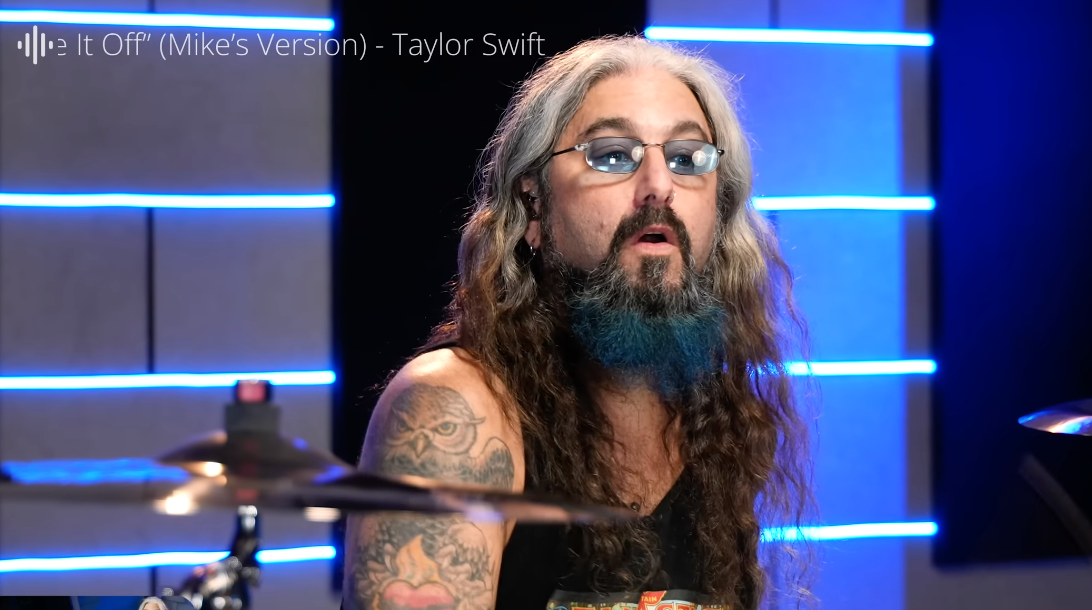
Mike Portnoy sitting down with "Shake It Off" is exactly the kind of left-field pairing that makes these Drumeo sessions worth the seven minutes. The Dream Theater veteran, whose discography is built on odd meters and prog suites, locks into Taylor Swift's 2014 pop hit from "1989" and treats the groove with real respect rather than smirking through it. It's a useful study in how a player wired for complexity navigates a tune whose entire job is to stay out of the way of the vocal.
Watch for how Portnoy handles the backbeat and the song's signature handclap layer, and where he lets his personality creep in around the edges without breaking the pocket.
🤠 inside rascal flatts' 2026 hybrid rig with jim riley
Jim Riley walks through every inch of the hybrid rig powering Rascal Flatts' 2026 tour in this 28-minute sit-down with host David Frangioni for Modern Drummer. The conversation gets into the ergonomic logic behind his drum placement, his signature snares, and how he integrates electronics into an arena country setup that has to be bulletproof night after night.
It's worth the runtime for working drummers thinking about layout, gear philosophy, or hybrid integration, but Riley also pulls back the curtain and plays a chunk of his live solo through the actual touring rig. That last part is the payoff: you hear exactly what all those decisions sound like at full volume.
🎓 Practice & Skills
🥢 the alternating flam drill that exposes your weak hand
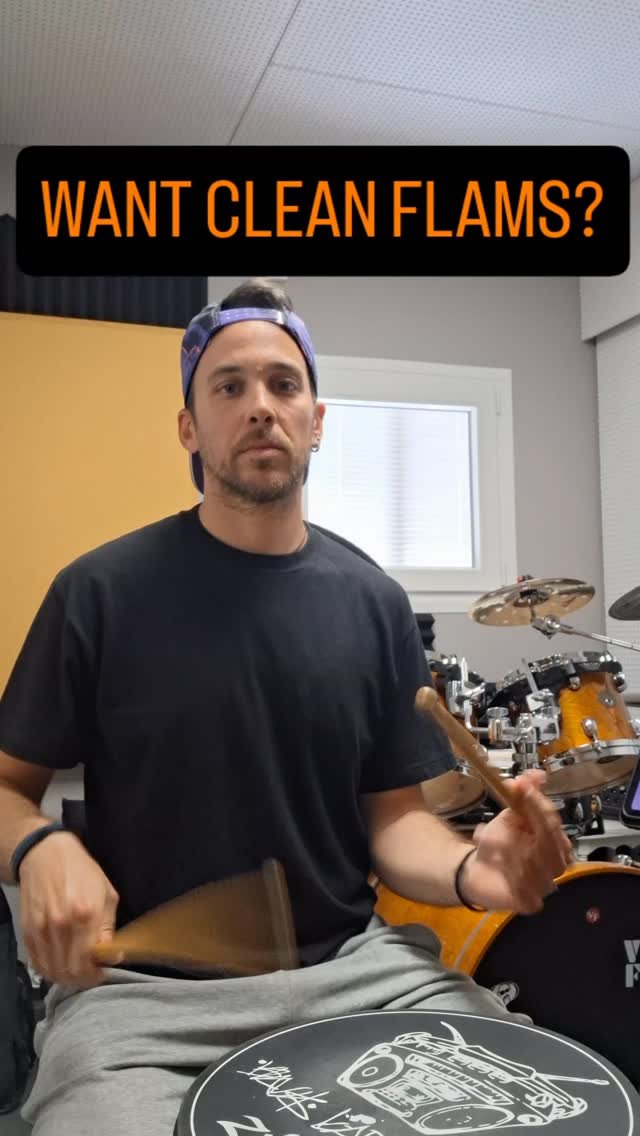
@𝕍𝕒𝕤𝕚𝕝𝕚𝕤 𝕋𝕤𝕒𝕔𝕙𝕣𝕒𝕤
Vasilis Tsachras drops a short rudiment drill aimed at one of the most uneven things in your vocabulary: the alternating flam. If your right-hand flam sounds crisp and your left-hand flam sounds like a stumble, this is the exercise that exposes it and the one that fixes it.
The alternating flam is just flams played hand to hand, RLR LRL, with each main note preceded by a soft grace note from the opposite stick. The whole game is grace note height. Both grace sticks need to sit at the same low height (an inch or two off the head) while both main sticks come from the same higher height. Most drummers unconsciously play their left-hand grace note louder and higher than their right, which is why one flam sounds tight and the other sounds flammed twice. Start slow, around 60 bpm in steady eighths or triplets, and watch the sticks more than you listen. Lock the grace stick down low before the main stroke fires. Then loop it: eight bars leading right, eight bars leading left, and pay extra attention to the left-lead bars where the weaker hand has to set up the stronger one. Once it feels even, push the tempo in 5 bpm jumps. Take it straight into "Wipe Out," the intro of "Hot for Teacher," or any Stewart Copeland fill that leans on flam accents.
Even flams come from even grace notes, not faster hands.
🧠 turn the paradiddle into a four-limb coordination test
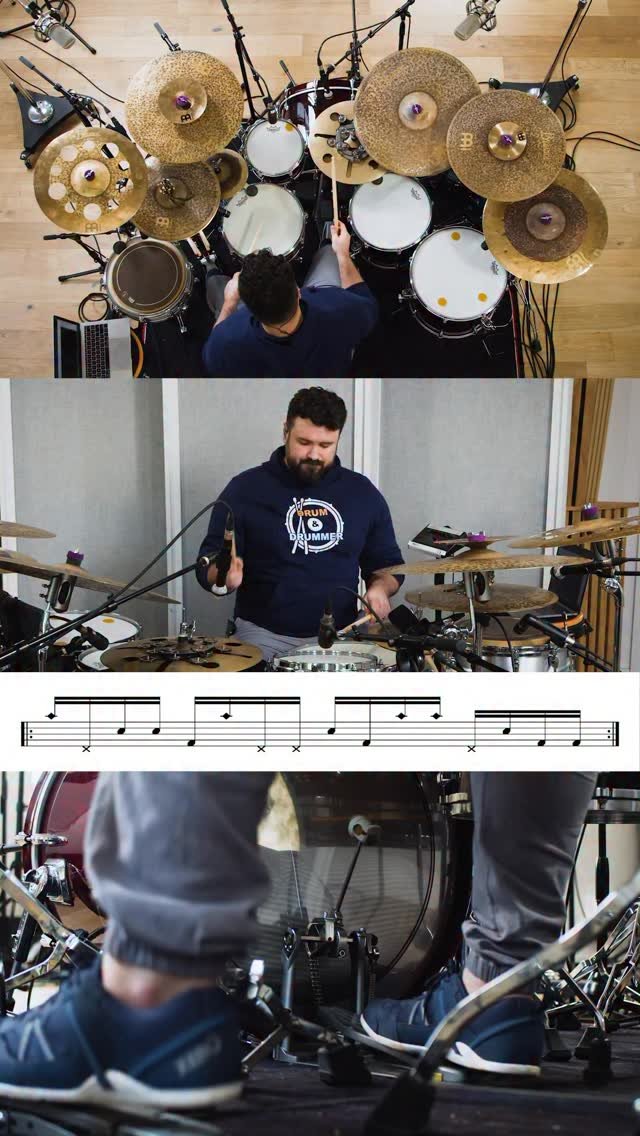
@Meinl Cymbals
Justin Scott is back on Meinl's feed with a paradiddle coordination exercise, and even in clip form it's a useful nudge to stop treating the paradiddle as a hand warmup and start using it as a whole-body coordination tool. The walkaway: a single rudiment, distributed across the kit and the feet, becomes one of the fastest ways to expose timing leaks between your limbs.
The pattern itself is RLRR LRLL. The trick is that those last two doubles are where most players rush, drag, or lose dynamic control, and that's exactly where coordination work pays off. Today, try this. Play the paradiddle hands-only on a single surface at 70 bpm for a minute, focused on making the doubles sound identical to the singles. Then orchestrate it: lead hand on a cymbal, off hand on snare, kick on every accent. Then flip it and lead with the weak hand. Once that feels honest, add the hi-hat foot on the "and" of each beat so all four limbs are working. Common mistake to avoid: letting the doubles get quieter and faster than the singles. If the pattern starts to sound like a buzz instead of four even notes, drop the tempo ten clicks and rebuild. A metronome is non-negotiable here.
🧠 linear drumming demystified: stop memorizing bars, start stitching cells
Drum Hub's Alex opens up linear drumming by killing the myth that pros are memorizing whole bars. They aren't. They're rearranging a handful of small linear cells on the fly, and that's the shift you want: stop hunting for one perfect bar-long lick, start collecting short fragments you can shuffle.
Here's the working idea. A linear phrase just means no two voices hit at the same time. Hands and kick take turns. Instead of grinding out a full bar pattern, isolate a single short cell, say a three or four note hand-and-foot grouping, and learn it cold. Then learn a second one. Now practice stitching them: cell A into cell B, B into A, A twice into B, and so on. That recombination is the whole trick. Loop a slow click, maybe 70 to 80 bpm, and force yourself to change the order every two bars so your ear and limbs stop defaulting to the same resolution. A common trap is always landing the kick on beat 1 of the next bar; vary where the phrase resolves so it sounds like phrasing, not an exercise. Apply it inside a groove you already play, drop a two-beat linear fragment into beats 3 and 4 of a backbeat, before reaching for full-bar fills. The Justin Brown with Thundercat clip Alex points to is a good ear-training reference for how loose this can feel in real music.
That's it for today! Thank you for carving out time to read! This community means a lot to me, and I'm grateful you're here. 🙏
If you have feedback, a story, or something you'd love to see in the newsletter, just reply to this email. I read every message and respond to each one.
Happy drumming,
Matteo