

⚡ Quick Hits
🧠 billy cobham's solo architecture
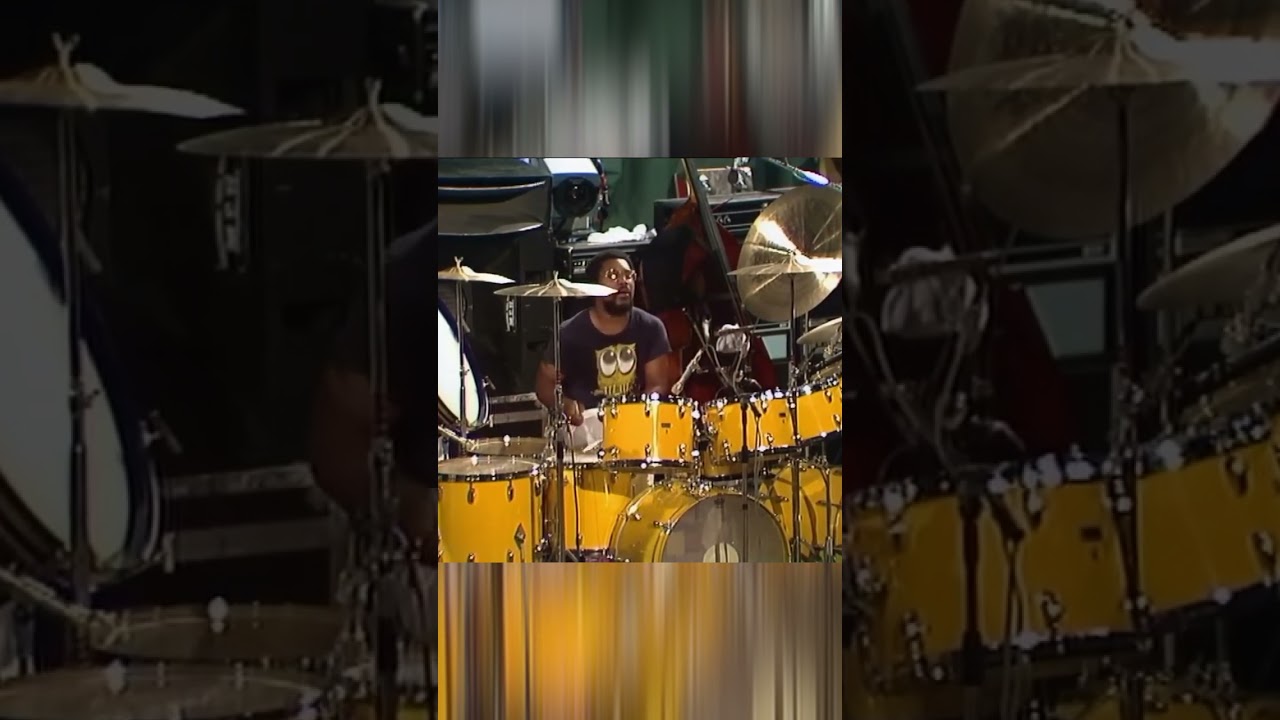
Drumfluence breaks down Billy Cobham's solo architecture phrase by phrase, tracing how the fusion pioneer stacks ideas into a coherent statement. The clip follows Cobham's phrasing logic from opening motif through the payoff, giving you a template for building solos with intent. Worth a watch before your next practice session.
🧠 one sticking, endless fill: rll rll rl
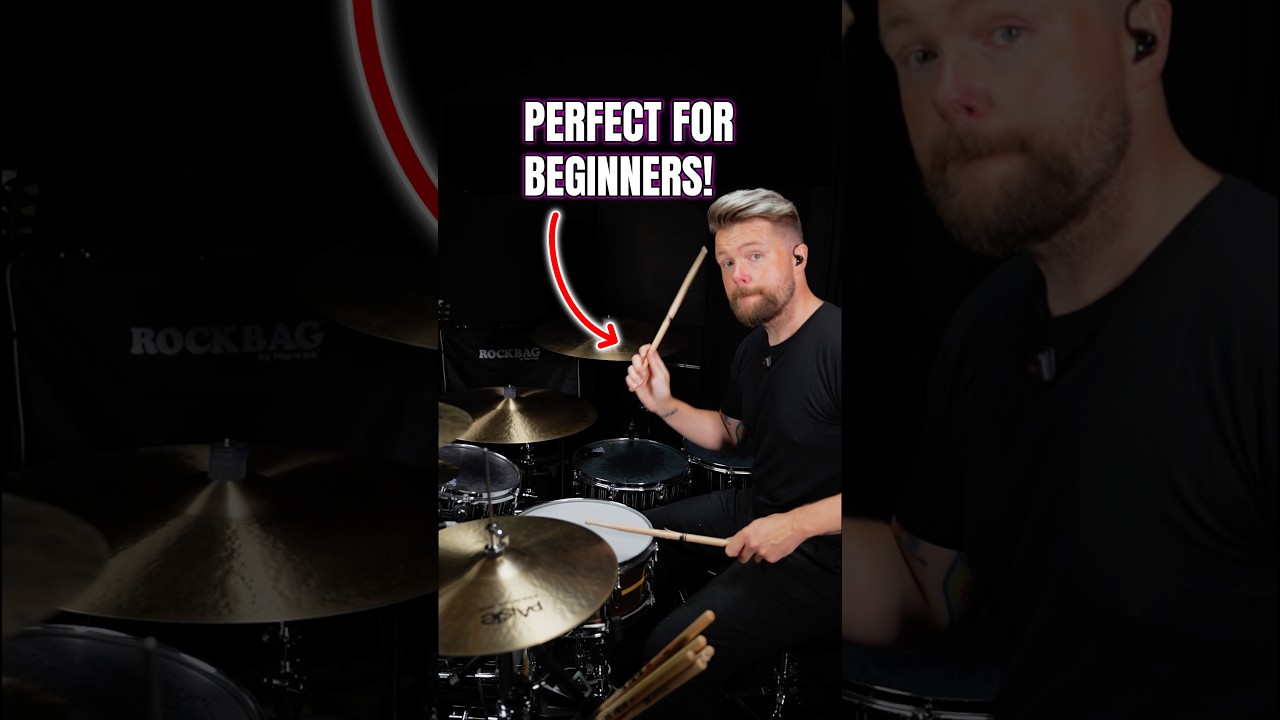
That Swedish Drummer breaks down a fill built on one sticking pattern: RLL RLL RL. Move that around the kit and you have something that sounds far more involved than the mechanics suggest. Worth stealing for your next practice session.
🛒 Gear Picks
🎧 budget vs boutique 14" hi-hats, ears-only shootout
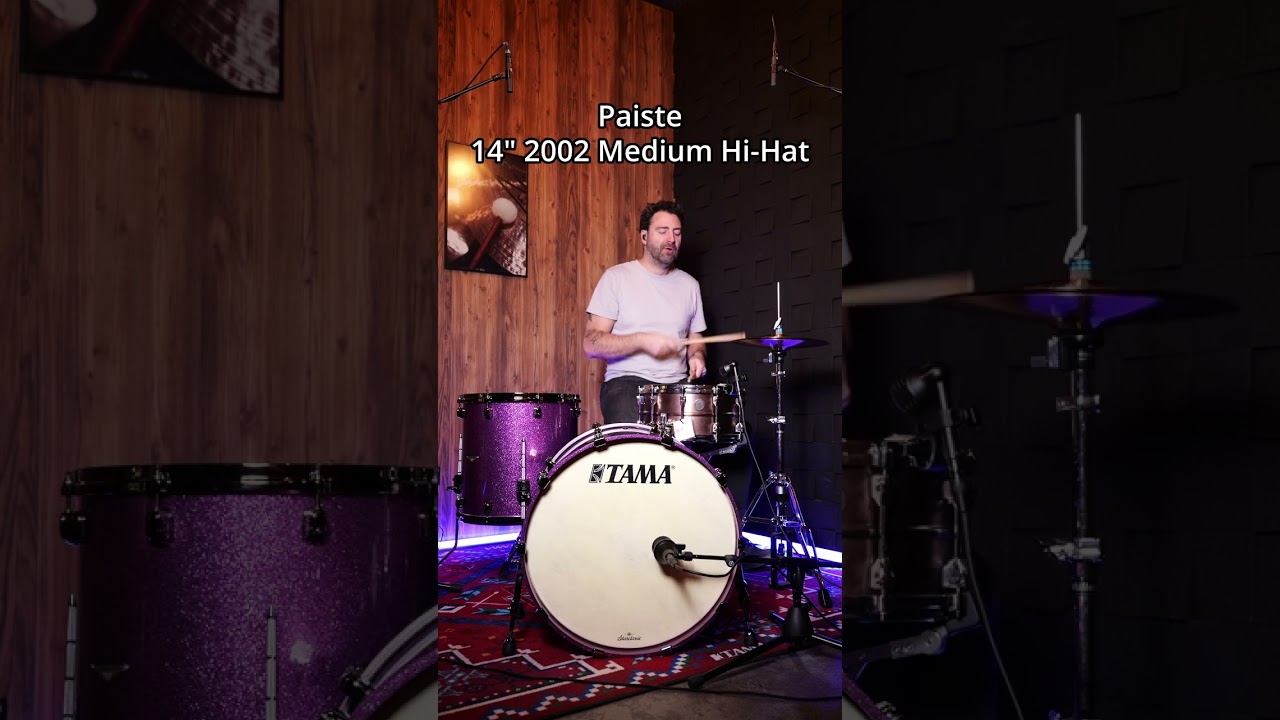
Thomann's Simon lines up 14" hi-hats across the price spectrum, striking each with the same pattern so you can hear where the tonal differences actually land. It's a fast side-by-side, no talking heads, purely an ears-on comparison.
Useful if you're shopping and want to know how much ground you cover moving up tiers, or if you're curious whether your current 14s hold their own against the pricier options. Pick your favorite before checking which is which.
🎯 four boom stands, one box: expand your kit for cheap

Seteol's four pack of boom cymbal stands gives you a full set of mounting options in one shot, with each stand converting between straight and boom configurations. Height adjusts from 30 to 58 inches, and a memory lock with limiter keeps your setup consistent from load-in to load-in. Double braced legs and enlarged rubber feet handle 14, 16, 18, and 20 inch cymbals.
Reviewers flag them as sturdy enough for heavy hitters and cymbal baffles, though one noted the boom arm runs on the shorter side. A practical way to expand a kit or outfit a second setup without raiding the hardware budget.
🌊 Deep Dives
⚡ jojo mayer's archive solo: a masterclass in hand speed

JoJo Mayer's solo, pulled from the Hudson Music archives, is worth sitting with for anyone chasing hand speed and linear vocabulary. The clip is excerpted from Secret Weapons for the Modern Drummer, his deep dive into grip mechanics, single-stroke development, and the drum and bass phrasing he's known for with Nerve.
Watch how he moves between ghosted snare figures, linear kick patterns, and rapid-fire singles without losing the pocket. His touch stays light even at extreme tempos, which is the whole thesis of Secret Weapons. Use it as a prompt to revisit your own singles, finger technique, and how you sit inside a fast tempo without tightening up.
🎓 Practice & Skills
🥢 pavel mamonau's odd flam chain that locks 4/4
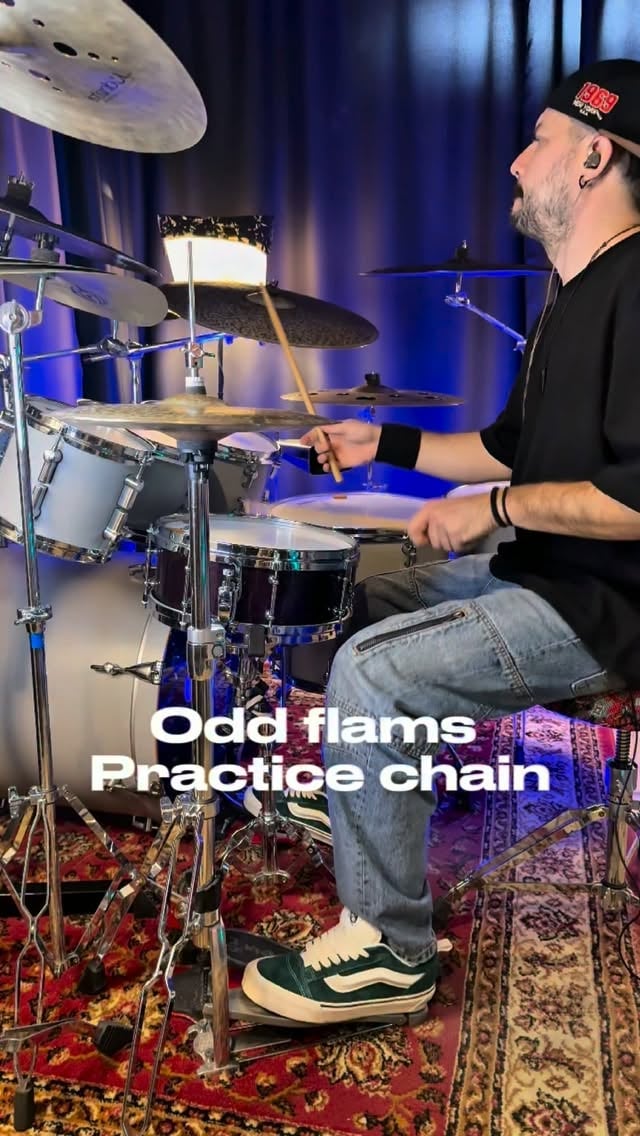
@Pavel Mamonau
Pavel Mamonau built an odd flams practice chain that forces you to keep every flam feeling grounded in 4/4, even when the sticking pulls against the pulse. Work through it and you walk away with sharper flam control, tighter hand coordination, and a warm-up you can fold into fills or grooves later.
The concept is straightforward. Flams sit in odd groupings across a 4/4 bar, so the accented hand keeps shifting and the phrasing lands where your ear does not expect it. That is the point. Do not memorize the shape. Feel it. Start slow with a metronome, slow enough that every flam has a clean grace note and a solid main stroke. Follow the notation Pavel includes and play each pattern one at a time before chaining them. The common trap is rushing to link everything before a single pattern feels natural, which turns the flams into flat double stops. Isolate. Loop one pattern for a minute, then move on. Once each shape sits comfortably, run the full chain as a warm-up. Later, drop a pattern into a fill or use it to color a groove.
Pavel has a follow-up coming that applies the chain to real grooves, so bank the vocabulary now. Get the flams feeling honest at slow tempos first. Speed and application come after the feel is locked in.
⚡ faster hands without the grind: fantini's speed framework
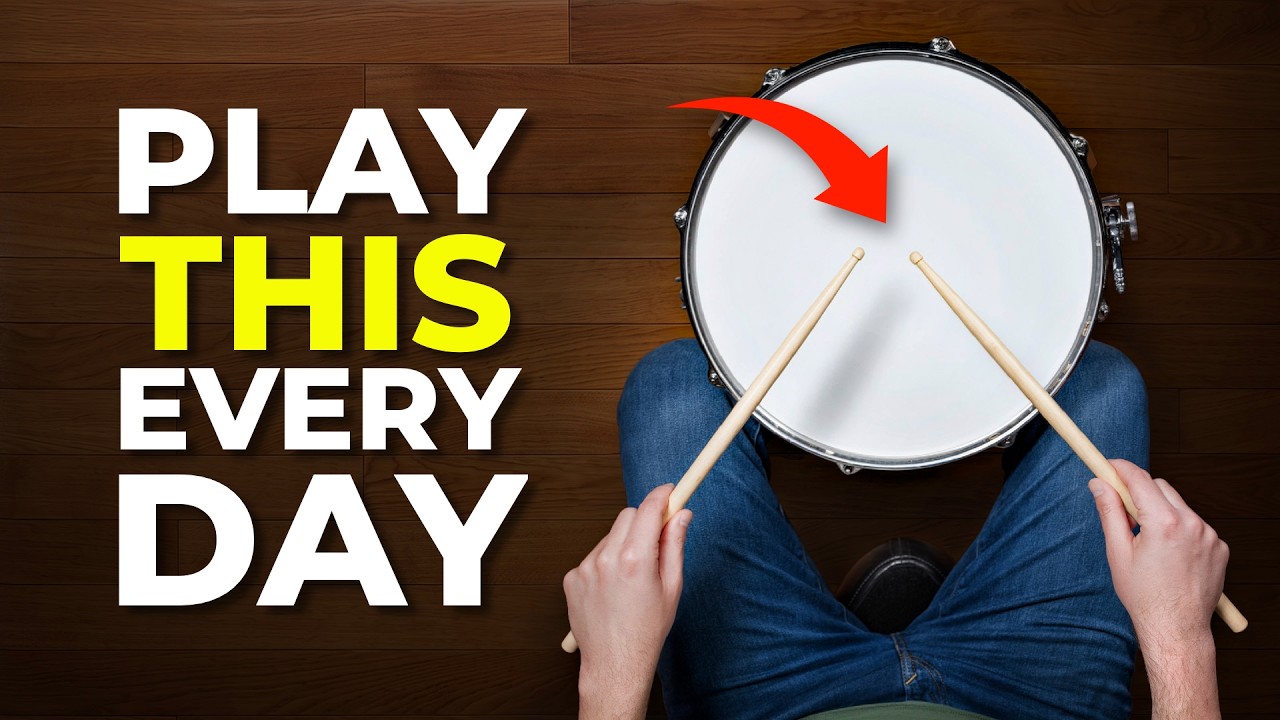
Dimitri Fantini's new workshop tackles the wall every drummer eventually hits: how do you actually get faster without grinding tempo drills for months? He lays out a framework for building speed that goes past the standard "start with a metronome and creep it up" advice.
Speed work fails when you practice tension. Faster hands come from relaxed strokes, efficient rebound, and letting the stick do more of the work than your forearm. Before you touch a click, check three things. Grip pressure should be light enough that the stick moves freely between your fingers. Your wrists should stay loose, not locked. Your shoulders should stay down, not creeping toward your ears. If any of those break down, you're practicing the wrong thing at any tempo. When you do start the metronome, work in short bursts. Sixteen bars clean beats five minutes of sloppy repetition. Pick a tempo where your singles or doubles feel effortless, sit there until they lock, then bump it up by two or three BPM. The common mistake is jumping in ten BPM increments and reinforcing tension every time you fail.
Apply it to a single pattern this week. Alternating singles at a comfortable tempo, five minutes a day, tracking where your hands tighten. Fantini's full breakdown and notation live on his site if you want the structured version.
🎯 mike johnston: move one 16th, rewrite the whole groove

Mike Johnston has a simple premise in this lesson: displace one 16th note and the whole groove changes. You walk away understanding why you don't need a bigger vocabulary to sound fresh, you need better placement.
The concept is built around moving the backbeat off beats 2 and 4. Johnston walks through shifting that snare to the "e," the "&," and the "a" of the surrounding beat, then applies the same displacement idea to fills. Each shift keeps the pulse intact but rewrites the feel underneath it. Try this today. Take a groove you already play in your sleep, something with a straight backbeat over 16th notes on the hats. Lock the kick and hats exactly where they are. Now move only the snare on beat 2 to the "e" and hold it there for a full minute. Then reset and move it to the "&." Then the "a." Do the same on beat 4. Play each version long enough to actually feel it as a groove, not a mistake. The common trap here is rushing through the variations to hear what they sound like. You want to live inside each one until it grooves, otherwise you're auditioning ideas instead of internalizing them. Johnston links notation for four variations in the video description if you want them written out.
The takeaway: before you learn another new pattern, move a note in one you already own.
That's it for today! Thank you for carving out time to read! I'm grateful you're here. 🙏 If you'd like to support the newsletter, consider joining our premium tier.
If you have feedback, a story, or something you'd love to see in the newsletter, just reply to this email. I read every message and respond to each one.
Happy drumming,
Matteo