
In partnership with

Gray Hair and Beard? One Spray. No Dye. No Mess.

Most gray hair solutions only work on your head. Or they're designed for women. Or they're dye — which means gray roots, a bad smell, and a hairline that stops looking real. Particle Anti-Gray Serum is different. One product, five seconds a day, works on both hair and beard. It targets the root cause of graying and gradually restores your natural color — no dye, no mess, no routine that takes over your morning. Results that look natural because they are. Thirty-day money-back guarantee. Over a million men trust Particle. Get 20% off and free shipping now with code BH20.

⚡ Quick Hits
🎛️ miguel lamas' studio funk groove, gear stack and all
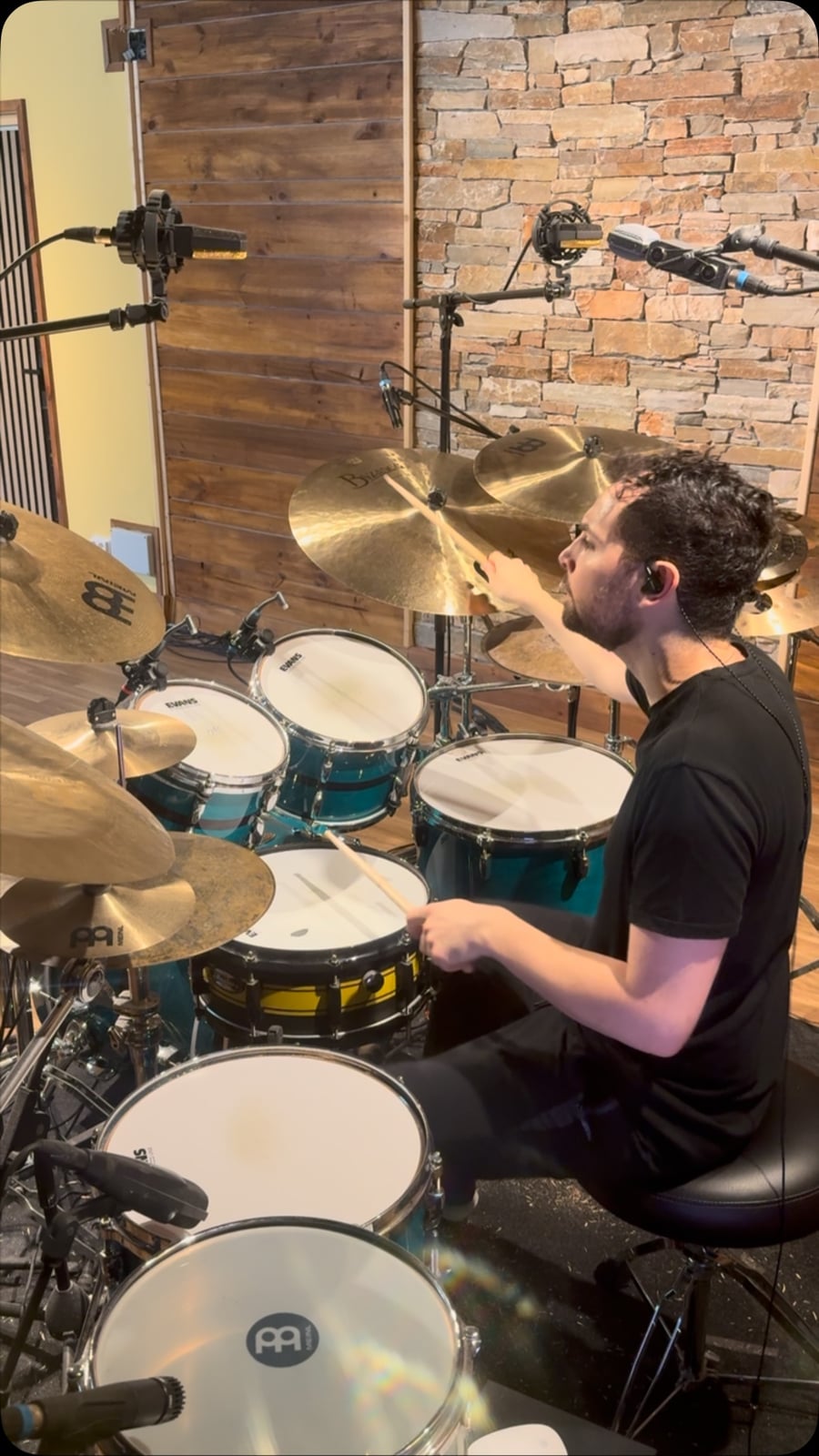
@Miguel Lamas
Miguel Lamas drops a tight funk groove from his studio, running Pearl Masters with Evans UV2 and EMAD heads, a custom snare, and Meinl cymbals into Neve 1073 preamps. The result is the kind of dialed-in tone that makes a short reel feel like a finished record. Worth a minute for the pocket alone.
🪘 mozambique groove breakdown: cascara bells, syncopated snare
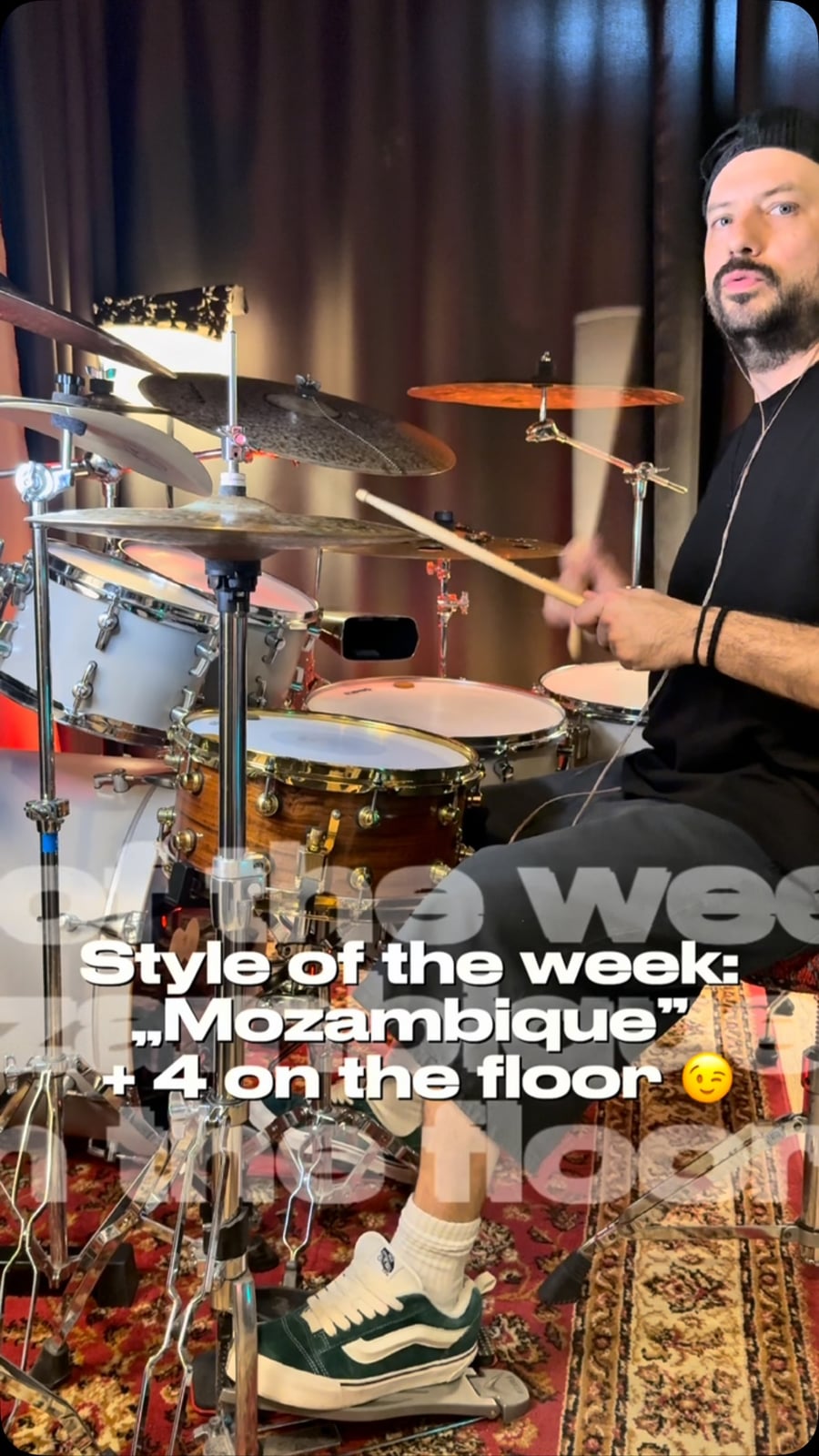
@Pavel Mamonau
Pavel Mamonau breaks down the Mozambique groove this week, layering a cascara-inspired bell pattern over a driving bass pulse, syncopated snare accents, and steady hi-hat. It's a quick study in Afro-Cuban coordination, the kind of clip that doubles as a practice prompt. Lock in the parts first, then start chasing your own variations.
🛒 Gear Picks
🐄 add cowbell and tambourine to your kit for under $30

Seteol's 7-inch Cowbell and Mountable Tambourine Kit is the kind of cheap, cheerful add-on that fills two obvious holes in a working kit at once. The cowbell is sturdy metal with a clamp that mounts to cymbal stands, snare drums, or a percussion rack, and the tambourine packs 32 stainless steel jingles (eight sets of four) on sealed steel pins, with a standard 3/8 eye bolt that drops onto any percussion or hi-hat rod.
At $29.99 for the pair, it is not a Latin Percussion replacement, but reviewers describe the cowbell as punchy with long sustain (gel dampeners tame it) and praise the tambourine's protective top lip for stick hits. A solid utility grab for adding rock, funk, or Latin color without rebuilding your hardware.
🌊 Deep Dives
🧠 neil peart's tom sawyer solo, decoded note by note

Neil Peart's "Tom Sawyer" solo is one of those rite-of-passage breakdowns every rock drummer eventually sits with, and Brandon Toews uses just over three minutes to unpack why it still holds up. He walks through the phrasing, the tom orchestration, and the small voicing choices that make the fill feel less like a solo break and more like a composed second melody inside the song.
It's a clip rather than the full lesson (the deeper Drumeo version is linked in the description), but Toews moves fast enough that even the short cut gives you something concrete to take to the kit. Worth sitting with if you've ever air-drummed that section and wondered what's actually happening between the snare hits.
⏱️ the gap-click drill that exposes shaky timing fast
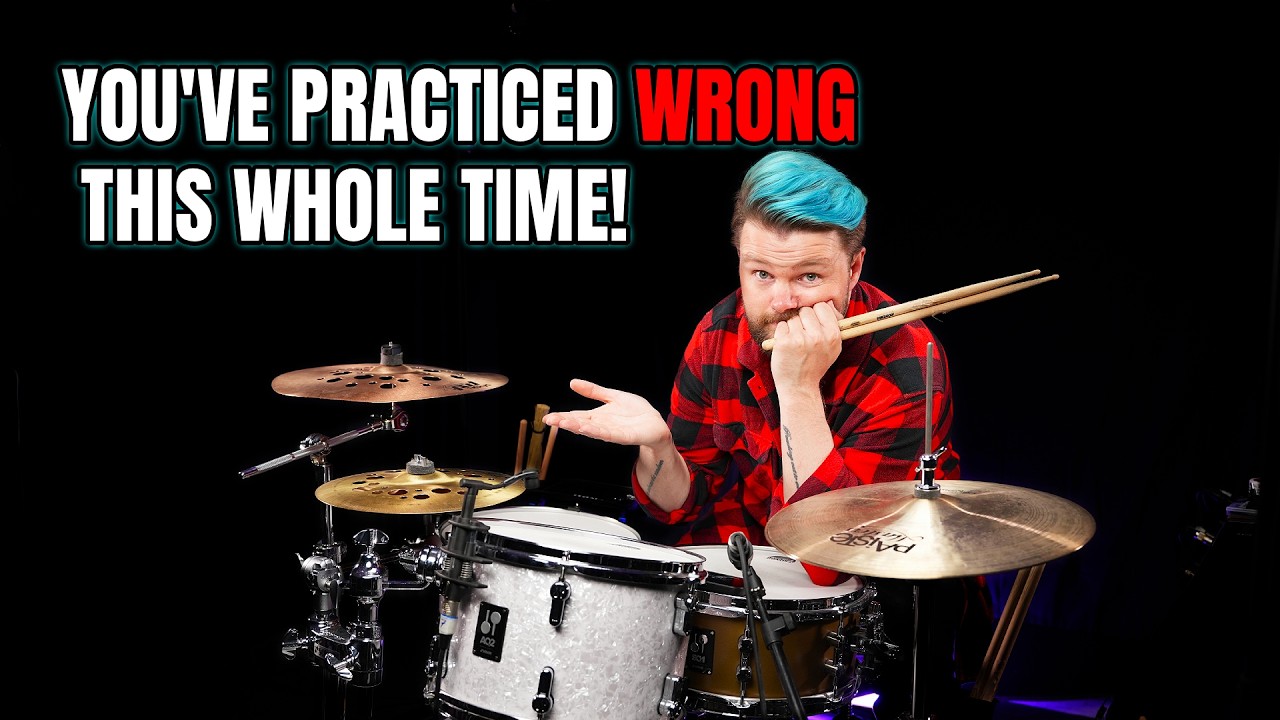
That Swedish Drummer reframes metronome practice by shifting the click off the downbeat, forcing your internal time to do the work the metronome usually does for you. Across five exercises, he walks through placing the click on quarter notes, the &'s, the e's, the a's, and finally the e's and a's together, which is where most players' timing falls apart.
The payoff is a stricter sense of subdivision and a tighter pocket, because hearing the click as an upbeat or a 16th-note partial exposes every rush and drag you've been hiding. Worth a focused sit-down with a kit and a metronome rather than just a passive watch.
🎓 Practice & Skills
🧠 chubzz breaks down a chop where every note must land
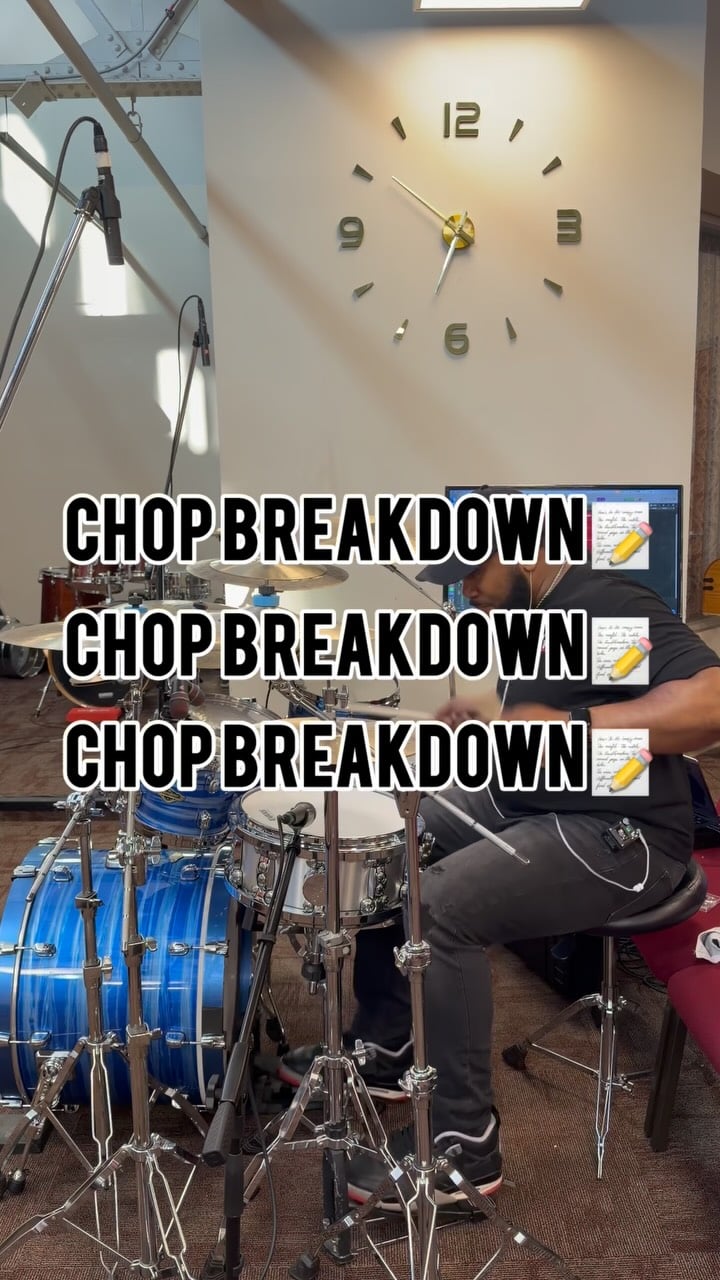
@Jeremiah “CHUBZZ” Brooks Jr.
Jeremiah "CHUBZZ" Brooks Jr. is back with Part 8 of his Chop Breakdown series, and his one-line lesson is the whole point: reps matter, and every note has to be articulated correctly or the chop falls apart. If you walk away with anything today, let it be that clean articulation under repetition, not raw speed, is what makes a chop actually playable.
Here is how to use a clip like this. Watch it twice through at full speed before you touch the kit, then loop the slowest section you can find and mirror the sticking on a pad. Most drummers blow chops by rushing the weakest hand, so isolate that side first and play the pattern hands only, no kick, until the accents and ghost notes sound identical on both sides. Then add the feet. Set a metronome at a tempo where you can play it perfectly five times in a row, even if that feels embarrassingly slow, and only nudge up by 5 BPM once you clear that bar. The common mistake is treating reps as mileage. Reps are not mileage. A sloppy rep teaches your hands the sloppy version, so stop and reset the moment a note smears or an accent disappears.
Pull the chop apart, drill it clean, then put it back together. Speed is a byproduct of articulation, not a substitute for it.
🎷 5 ride patterns that unlock the jazz waltz feel

Better Drumming's latest lesson tackles a problem every developing jazz player runs into: 3/4 swings differently than 4/4, and the standard ride pattern you've been drilling for years doesn't quite fit the waltz. The video walks through five ride cymbal variations for jazz waltz and then shows how to mix them on the fly, so you walk away with a small vocabulary instead of one stiff go-to phrase.
Here's the angle to take into the practice room. A jazz waltz has three beats per bar, so the ride figure has to breathe across three instead of resolving every four. That single difference is why players often sound like they're forcing a 4/4 ride into a waltz and clipping the phrase. Learn the five patterns one at a time and loop each against a slow click before you touch anything else. Once a pattern feels automatic, add hi-hat on 2 (or on 2 and 3, depending on the feel) and let the left hand comp sparsely. Then do what the lesson builds toward: stop playing one pattern for eight bars at a time and start switching between them bar to bar, the way real jazz drummers navigate a form. Apply it to a standard you already know, something like "Someday My Prince Will Come" or "My Favorite Things."
Five patterns, one tune, slow tempo. That's the homework.
🧠 10 famous 6/8 grooves every drummer should know

Jeff Randall's "10 Famous 6/8 Beats" clip is a fast tour through one of rock's most underused feels, and the takeaway is simple: 6/8 isn't just a ballad time signature, it's a whole vocabulary. Spend two minutes here and you walk away with a mental playlist of grooves you can lift straight into your next rehearsal, plus a clearer sense of how the same meter can swing, stomp, shuffle, or sit dead still depending on where you place the backbeat.
The core idea with 6/8 is that you've got two groups of three eighth notes per bar, with the pulse on beats 1 and 4. Once that's locked in your body, the choices are about texture: do you ride steady eighths, skip to a 12/8 feel with triplet subdivisions on the ride, or open it up and play in two? Try this today. Set a metronome at 70 bpm clicking dotted quarters so you feel the two main pulses, not all six eighths. Play a basic kick on 1, snare on 4, eighths on the hat. Then move the same sticking to ride and add a kick on the "and" of 4 to push it. Most players rush 6/8 the moment they add ornamentation, so record yourself and check the back half of the bar. Once that's solid, pick a song from Jeff's list and cop it by ear.
6/8 rewards patience: feel the two, and the rest opens up.
That's it for today! Thank you for carving out time to read! I'm grateful you're here. 🙏 If you'd like to support the newsletter, consider joining our premium tier.
If you have feedback, a story, or something you'd love to see in the newsletter, just reply to this email. I read every message and respond to each one.
Happy drumming,
Matteo