
Together with

If you've been telling yourself for years that you'd love to properly learn the drums — or finally get past the plateau you hit a while back — Drum Dog is worth a look. It's built around the actual life of a drummer rather than a one-size-fits-all course: structured lesson packs you can work through at your own pace, live Q&As with pros, and hands-on workshops you can drop into when the mood takes you. No pressure, no leaderboard, just good teachers and a community that gets it.
What I like is that membership goes beyond lessons. You get member-only deals on gear, discounts on live events, and direct access to the team if you're stuck on something — whether that's a sticking, a setup question, or just wanting a second opinion on your next snare.
Daily Drummer readers can take 10% off with code **DD-DD-10** at checkout. A nice nudge if you've been circling the idea for a while.
⚡ Quick Hits
🎪 rob brian's 97-second chops clinic at dorset drum fest
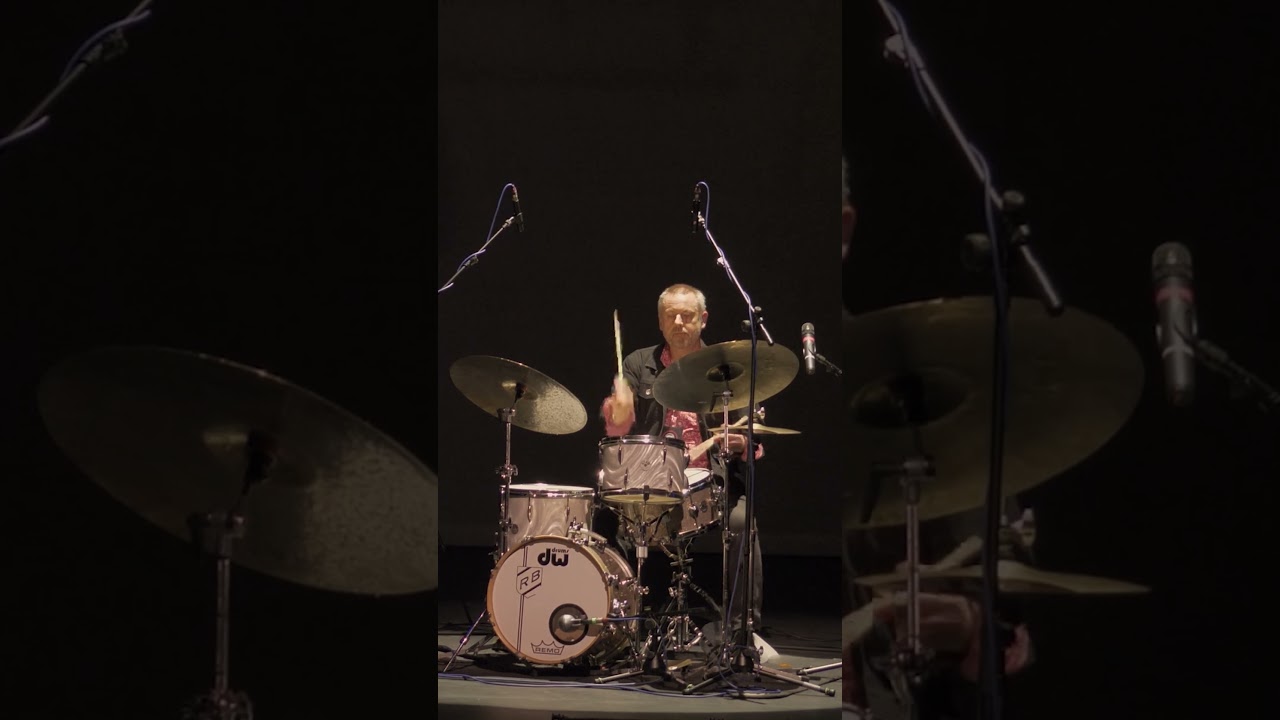
Rob Brian turns in another tasty minute from the Dorset Drum Festival, courtesy of Drum Dog's ongoing series capturing the weekend's playing. At 97 seconds it's a quick window into festival-floor chops, the kind of low-key reel worth a scroll between coffees. Part 11 means there's a whole stack to dig into if this one hits.
🦿 thomas lang's four-limb independence in 51 seconds

Thomas Lang turns up at the Dorset Drum Festival for a 51-second burst of the kind of four-limb independence that built his reputation. Drum Dog's third clip from the set keeps the camera tight on the kit so you can actually track what's happening between his feet and hands. Worth the swipe.
🛒 Gear Picks
💸 europe drum show: the one piece you'd buy if you won the lottery

Drum Dog walks the Europe Drum Show floor with a fun prompt: if the lottery hit tonight, which single piece of kit goes home with you? It turns a crowded expo into one decisive pick instead of an endless wishlist.
At 70 seconds, the Short isn't a spec breakdown, just a quick read on what's catching eyes on the floor. Worth a tap if you like your gear browsing filtered through someone else's first instinct.
🎛️ yamaha's ead50 and two more gadgets that ditch the laptop

Yamaha's new EAD50 headlines Drum Dog's walk through the Europe Drum Show floor, pairing a bass drum sensor with a refreshed processing box that aims for a mic'd kit sound from a single unit. It's pitched as the successor to the EAD10, and the team gets the rundown straight from the Yamaha stand: who it's for and what's actually changed.
From there it pivots to the AFK Drum Beam, a multi-zone MIDI trigger built for hybrid players running Ableton, a module, or a synth, and the M-Live B.Beat, a single box built to retire the laptop on stage by handling backing tracks, click, MIDI, video, lyrics, sheet music, and DMX lighting from one button press.
🌊 Deep Dives
🦾 thomas lang's 17-minute four-way independence clinic

Thomas Lang at the Dorset Drum Festival is seventeen minutes of the kind of independence work that makes you rewind just to confirm what you saw. DRUM.DOG captured the whole solo, and it's a clean look at why Lang has built such a long reputation for four-way coordination: every limb on its own clock, dynamics held tight even at high tempos, ideas resolving instead of just piling up.
Worth sitting with rather than skimming. Watch once for the spectacle, then again with your eyes on a single limb at a time. The hi-hat foot alone is worth the rewind for the kind of internal counterpoint most players never develop.
🎓 Practice & Skills
🎵 gavin harrison's one rule for tom fills that actually sing
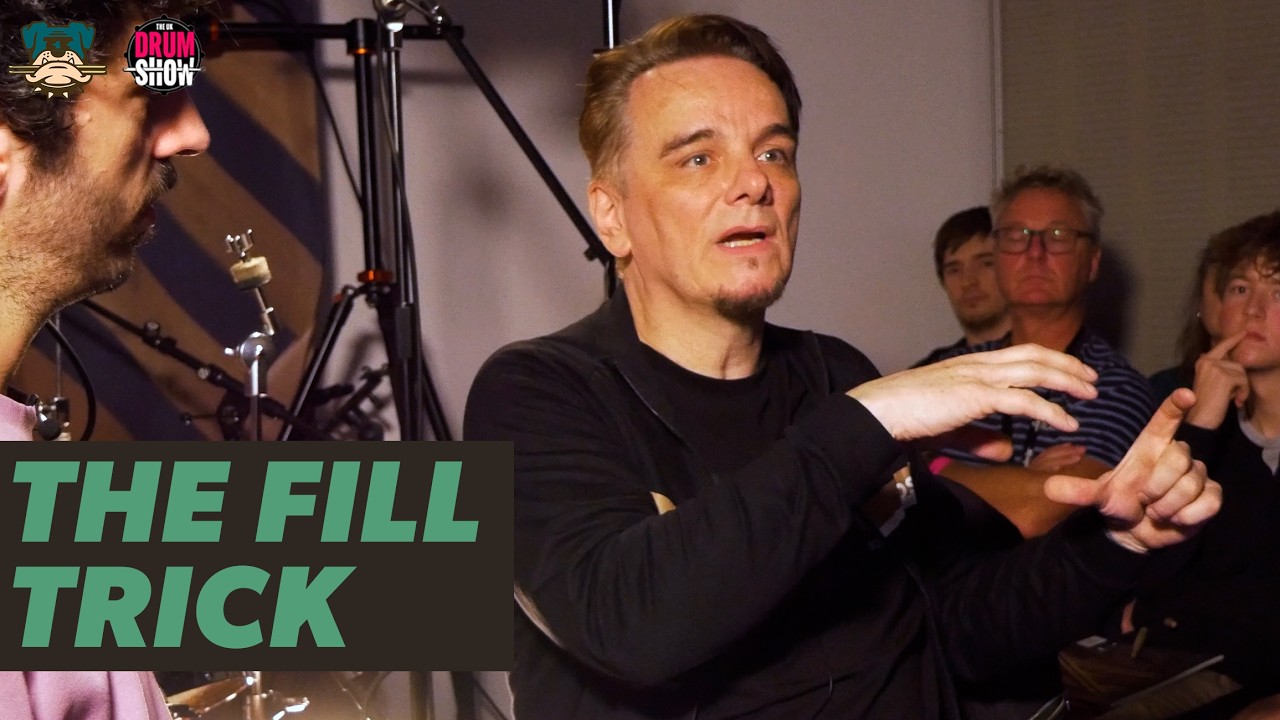
Gavin Harrison has a simple rule that separates a melodic tom fill from a choked, overcrowded one: never hit the same drum twice in a row. In this Drum Dog excerpt from the UK Drum Show 2025, he walks through how he orchestrates fast triplet fills across his toms, and you come away with a usable framework for treating toms as pitches in a melody rather than a top-to-bottom staircase.
The physics is the lesson. When you double up on one drum, the head hasn't recovered from the first hit, so the second note chokes and the fill goes thin, especially on an open, undamped kit. Spacing each note one drum apart lets every tom ring out before the next strike, which is what makes a fill actually sing. Gavin's sticking logic backs it up: leading with a consistent hand across the kit lets him keep speed without doubling up.
Try it today. Set up a triplet fill across whatever toms you have and force yourself to move at least one drum between every single hit, no repeats. Start slow enough to hear each tom fully bloom, then push the tempo. Apply it to the last bar of a chorus in a tune you already play. The takeaway: let the drum speak, and the fill becomes melody.
✋ one flam, four slots: rob brian's comping hack
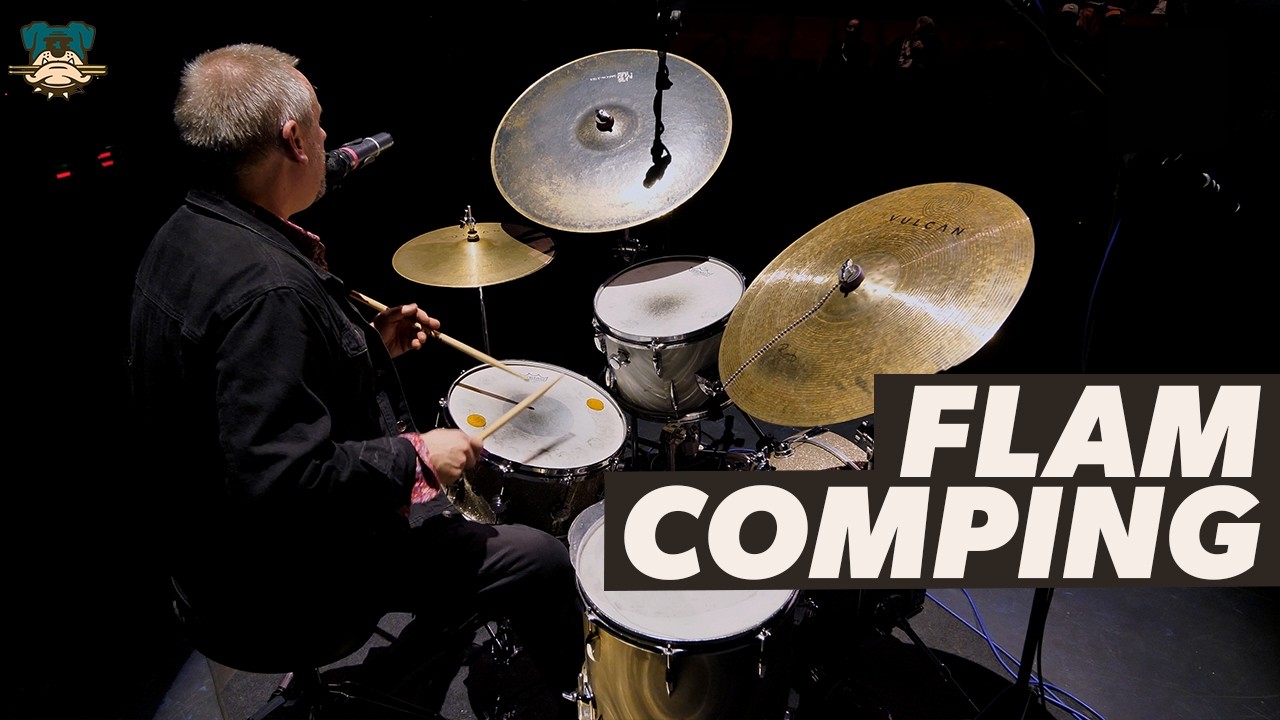
Rob Brian's trick at Dorset Drum Festival is simple: take one flam, slide it through a bar of 16ths, and a whole vocabulary of comping patterns falls out. You don't need new rudiments to find new phrases. You need a new place to put the ones you already have.
Here's the idea. Play a steady bar of 16th notes, then plant a flam on the '1,' reset, plant it on the 'e,' then the 'and,' then the 'a.' Four placements, four different feels. Now start combining them: two flams per bar, three per bar, alternating which hand leads. Rob's point about the grace note is the key. That little ghosted tap pulls the phrase forward in a way paradiddles can't, because the flam smears the attack rather than chopping it. Try it on the hi-hat first with your right hand carrying the 16ths and the left dropping the grace notes in. Then move it to the ride and let the snare and kick fill the holes. For jazz, swing the grid into triplets and place the flam on the first, second, or third partial. Same game, different feel.
Two things to watch. Don't let the flam get loud, it's a texture, not an accent. And do what Rob does: record yourself, because the combinations multiply faster than your memory. Apply it tonight to a tune you already comp through and listen for the new pockets. One flam, four slots, endless comping.
🎯 steve white's paradiddle trick that unlocks 8 new sounds
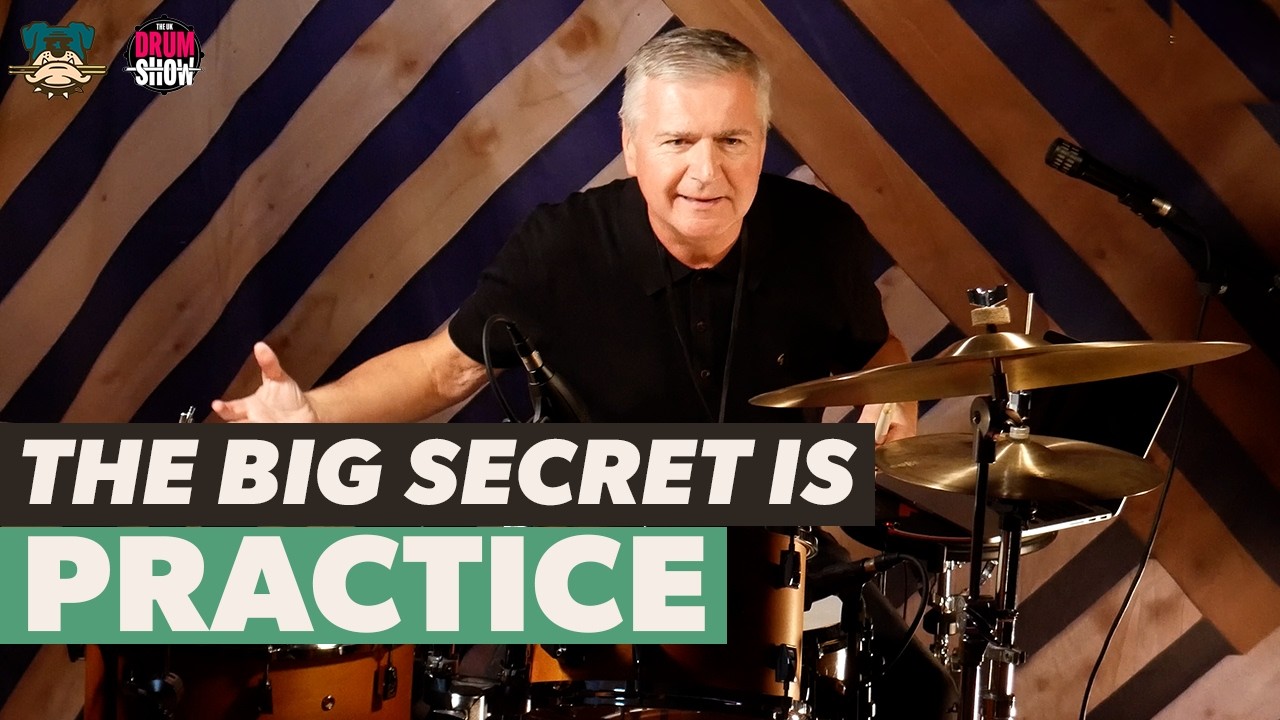
Steve White's UK Drum Show 2025 masterclass excerpt zeroes in on a deceptively deep rudimental workout: shifting the accent around a single paradiddle. The point of the clip is why a paradiddle stops being a sticking exercise and starts becoming a vocabulary the moment you move the loud note.
The idea is simple. A standard paradiddle is RLRR LRLL, with the accent naturally on beat one. Slide that accent to the second note, then the third, then the fourth, and repeat for the left-hand version. Four flavors per hand, eight permutations total, and each one feels and sounds completely different even though the sticking never changes. Start slow, around 60 to 70 bpm, on a single surface so you can hear the accent clearly. The common mistake is letting the unaccented notes creep up in volume; the gap between tap and accent is the whole point, so exaggerate it. Once each permutation feels locked, orchestrate around the kit. Send the accents to the toms while the taps stay on the snare, or move accents to the bell of the ride. That's where this exercise pays off musically, in fills, in funk grooves, in solo phrasing.
Spend ten minutes a day cycling through all eight accent positions, and your paradiddles stop sounding like rudiments and start sounding like phrases you'd actually play.
That's it for today! Thank you for carving out time to read! I'm grateful you're here. 🙏 If you'd like to support the newsletter, consider joining our premium tier.
If you have feedback, a story, or something you'd love to see in the newsletter, just reply to this email. I read every message and respond to each one.
Happy drumming,
Matteo