
In partnership with

Keep up with tech in 5 minutes

TLDR is the free daily email with summaries of the most interesting stories in startups, tech, and programming. The stuff worth knowing, minus the doomscrolling.
Issues are curated by ex-Google and Anthropic engineers and land in your inbox before your morning coffee. A 5-minute read, and you walk into the day already knowing what your team is still catching up on.
Tech is just the start. We also cover AI, marketing, dev, and more. Pick the briefs that match your work.
Free, daily, and read by 7M+ subscribers. Subscribe and let the experts do the digging for the tech news that matters.

⚡ Quick Hits
🎶 the rosanna groove that made porcaro a legend
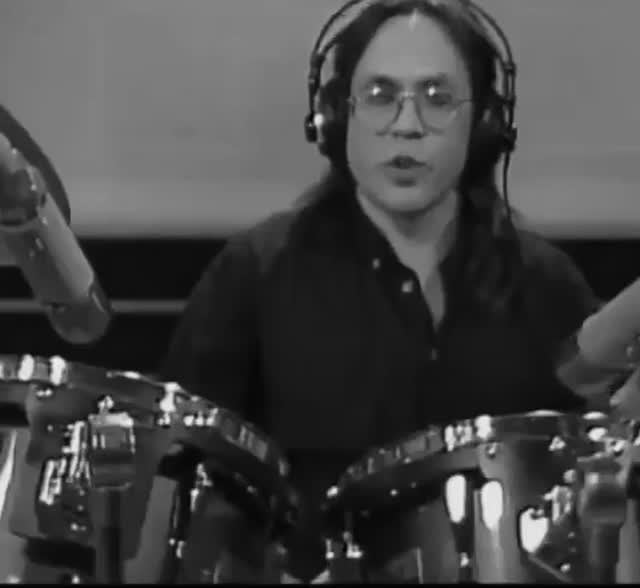
@pat illingworth
Pat Illingworth takes on the holy grail: Jeff Porcaro's Rosanna half-time shuffle. It's a study in how ghost notes, hi-hat swing, and that Purdie/Bonham DNA fuse into one of the most dissected grooves in pop history. Short, tasteful, and a reminder that nailing the feel is harder than nailing the notes.
🎯 chasing that rosanna groove till it sits just right
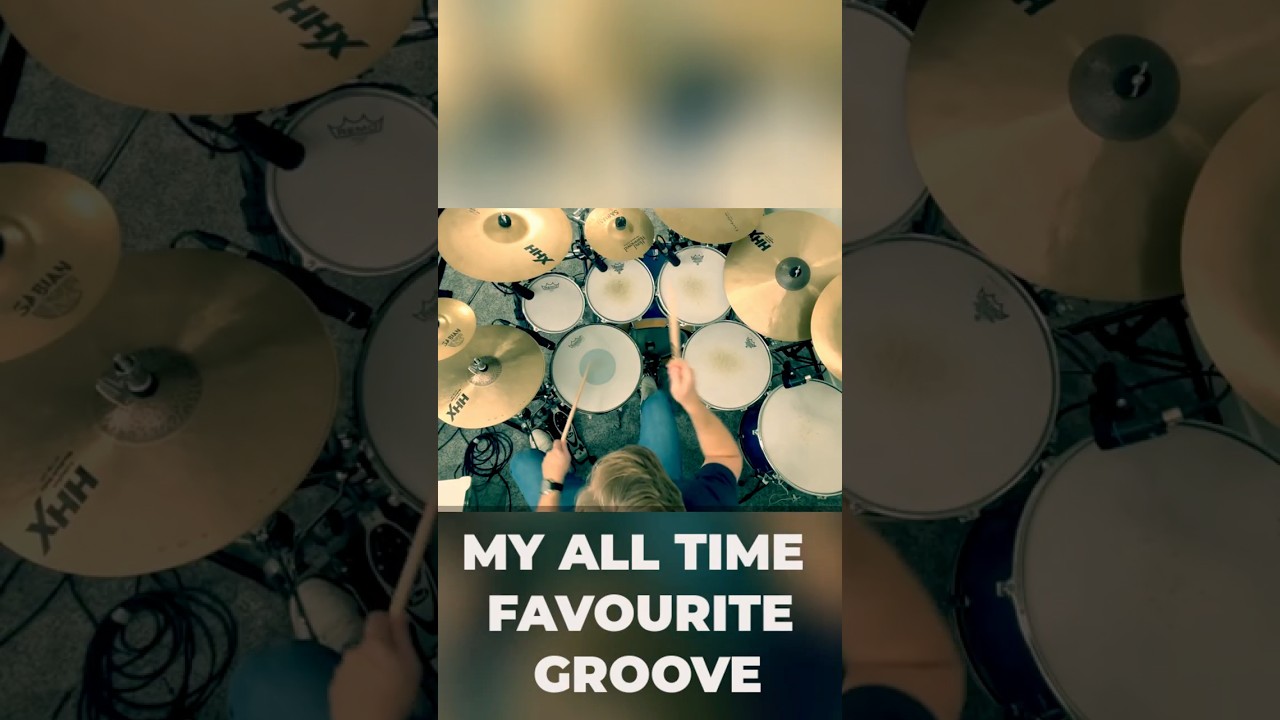
The Rosanna groove again! Jeff Porcaro's half-time shuffle is the ultimate drummer litmus test, and Marty B. spends a short clip locking into that triplet feel with obvious reverence. His maple kit and Sabians sit nicely in the mix, and the recording sounds clean and close.
👑 kembely almeida channels stewart copeland in fiery tribute
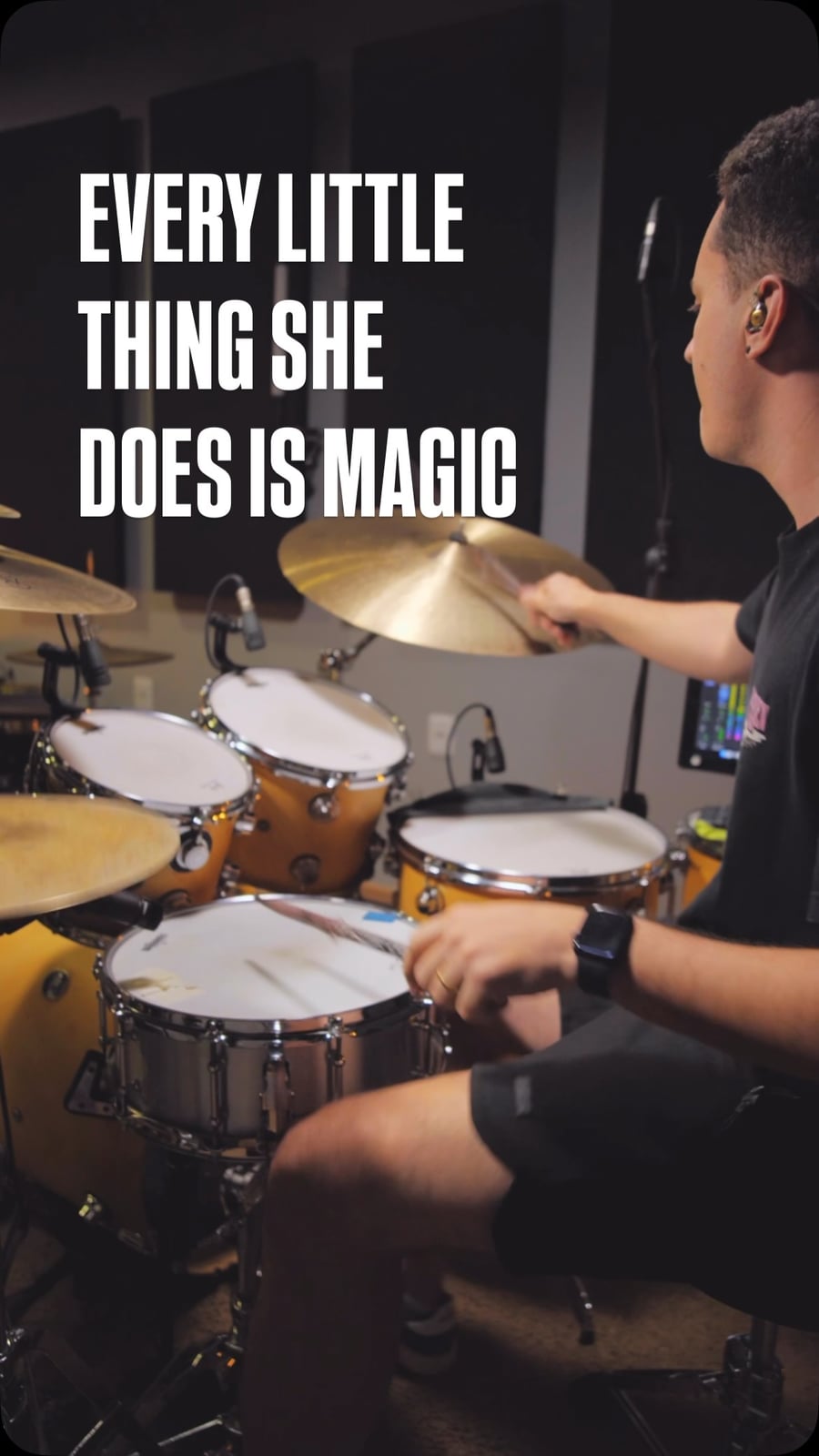
@Kembely Almeida
Kembely Almeida channels Stewart Copeland in a tight Instagram reel tribute, translating the Police drummer's signature hi-hat chatter and splashy accents into her own kit voice. It is a nod from one stylist to another, and the comments section suggests Copeland heads are eating it up.
🌊 Deep Dives
⚡ deep purple's highway star, live from ian paice's kit
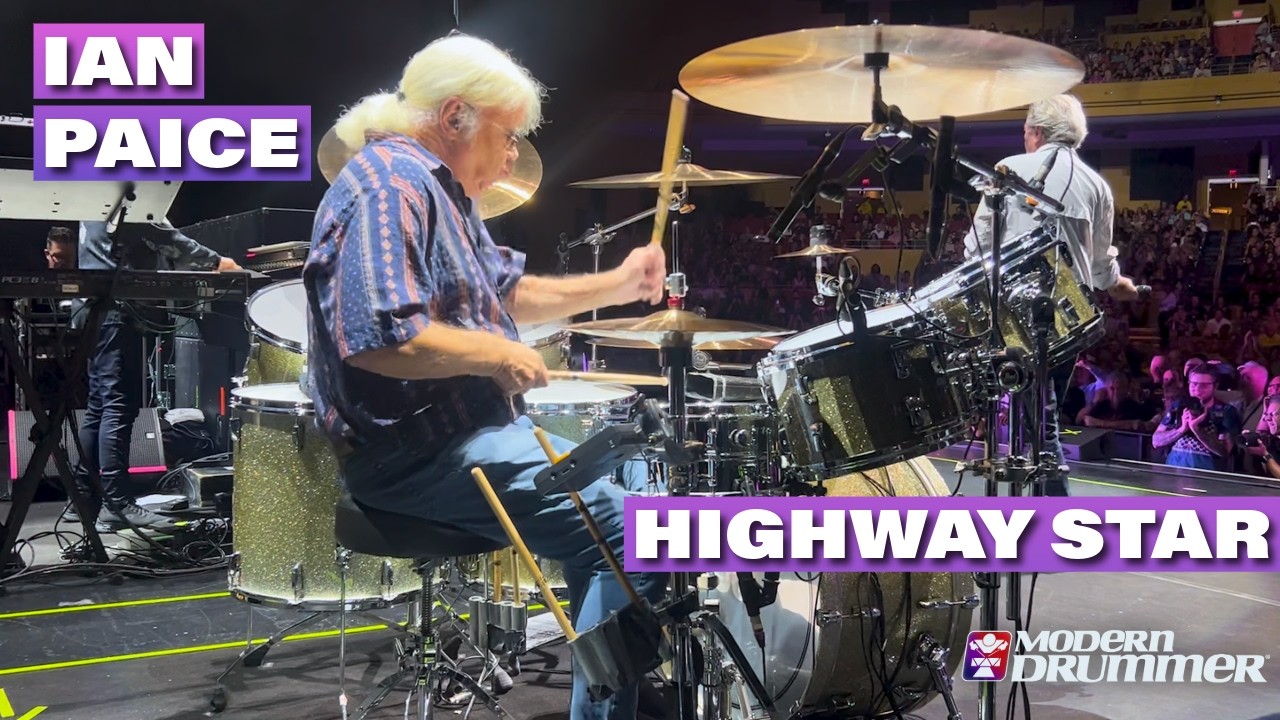
Ian Paice behind his gold sparkle Pearl Masterworks kit, playing "Highway Star" for a Modern Drummer camera, is the kind of footage you sit with. Captured in August 2024 with David Frangioni, this roughly six-and-a-half-minute clip puts you close enough to watch one of rock's foundational left-handed drummers navigate the shuffle-into-straight-eighths engine that has powered Deep Purple's signature track since 1972.
The performance pairs with a separate kit rundown Modern Drummer released alongside it, so you can hear Paice explain the setup and then watch him actually put it to work. For anyone studying feel, ride patterns, or how a lifetime of playing one song still yields new phrasing, it rewards a proper viewing rather than a scrub.
🧠 the 3-note trick that unlocks endless grooves
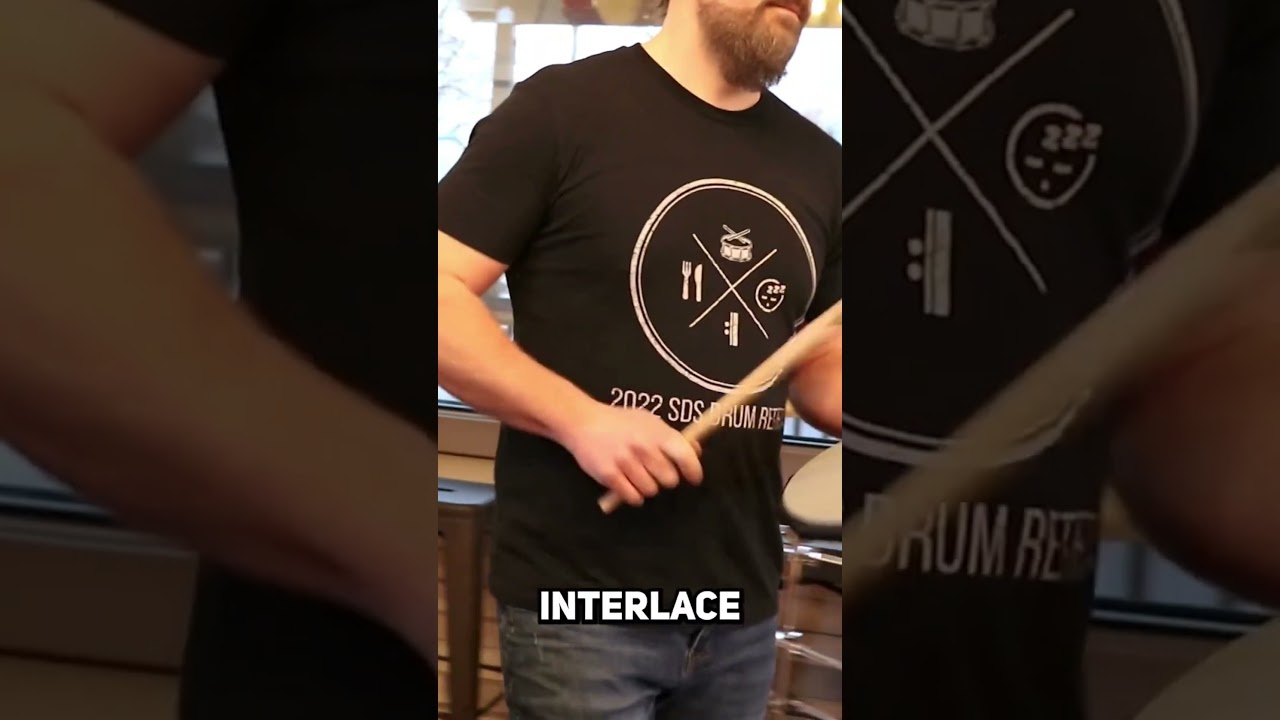
Stephen Taylor builds an entire lesson around just three notes, and the constraint is the whole point. In under three minutes, he shows how much mileage you can get from rethinking accent placement, sticking, and orchestration before you ever add another voice to the phrase. It's the kind of micro-drill that exposes how often we reach for more notes when the fix is really about intention on the ones we already have. Worth sitting with, then taking to the kit for ten minutes to see what shakes loose in your own vocabulary.
🎓 Practice & Skills
🔥 the steve gadd warm-up worth stealing before every session
@𝕍𝕒𝕤𝕚𝕝𝕚𝕤 𝕋𝕤𝕒𝕔𝕙𝕣𝕒𝕤
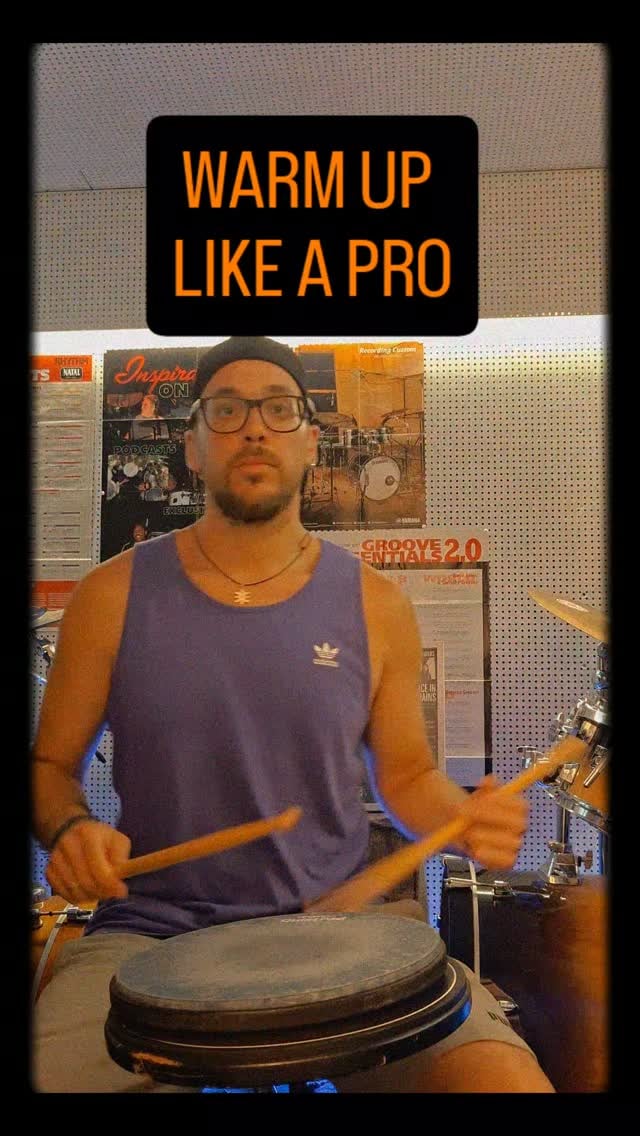
Steve Gadd's Gaddiments is a goldmine for warm-ups, and session drummer Vasilis Tsachras just pulled one out as his go-to before practice. If you've never opened the book, this clip is a nudge: Gadd's own hand-picked exercises are some of the most musical vocabulary work you can do, and even a single pattern from it will sharpen your touch before you play a note of anything else.
The angle here is warm-up as ritual. Rather than blasting through singles and doubles cold, use a Gaddiment as your on-ramp. Start it slow, slower than you think, and lock it to a click at something like 60 to 70 bpm. Play it on a pad or a snare with brushes if the room is hot, and only push the tempo once the sticking feels even hand to hand. Watch for the classic mistake of letting the stronger hand get louder as the pattern loops. Isolate each hand, then reassemble. If you want to hear where this vocabulary lives in the real world, put on "Crazy Army" or the intro to "Nite Sprite" and listen for how Gadd threads these rudimental shapes into grooves and fills. The point of a warm-up like this is not speed. It's control, dynamic evenness, and getting your ears on before your hands run off without them.
Grab the book, pick one exercise, and make it the first thing you play every day this week.
🧨 the six-note sticking that unlocks ridiculous flow
@LEO USINGER
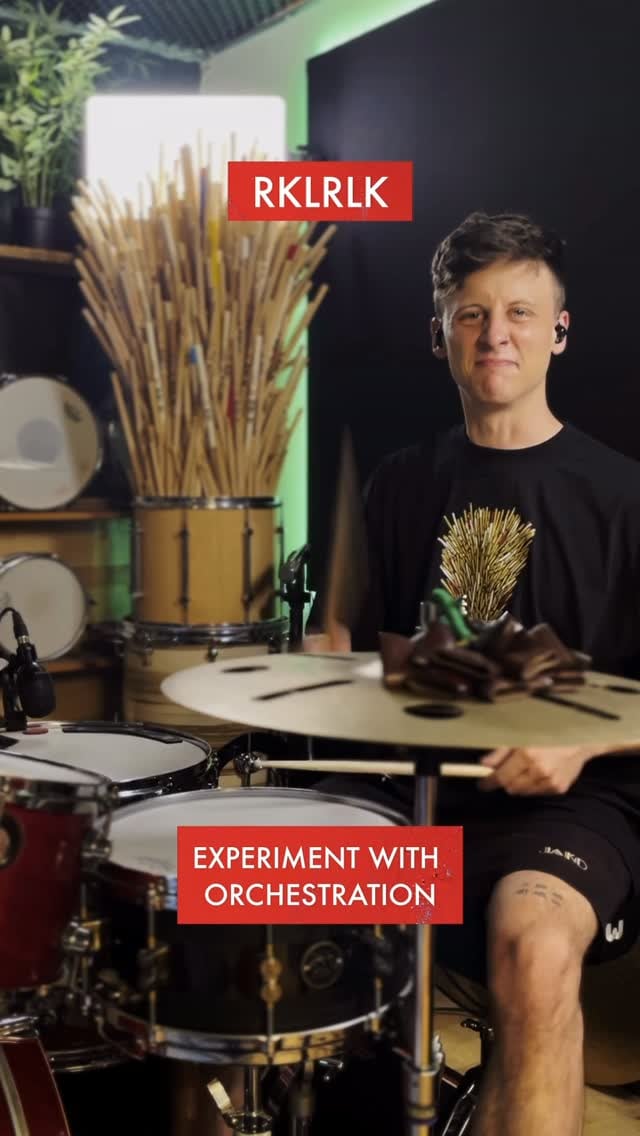
Leo Usinger is spotlighting a six-note sticking worth a spot in your practice today: RKLRLK.
Read it out loud first. Right hand, kick, left hand, right, left, kick. It's a six-note cell, so it phrases against 4/4 in a way that instantly sounds like something rather than an exercise. Start at a slow tempo, maybe 70 to 80 bpm, and loop it as straight sixteenth notes until the kick placements feel automatic against the hands. Then move the right hand off the snare: try it with the right on a tom or a stack while the left stays on snare, and the whole pattern turns into a linear groove or a fill you can drop into a song. Common mistake to avoid: rushing the kick after the left hand. That K sits in the same subdivision as every other note, so keep the spacing even and let a metronome babysit you. Once it feels locked, orbit the right hand around the toms and cymbals. Same sticking, brand new phrase every time.
The takeaway: RKLRLK is a small cell with real independence work hiding inside something you can memorize in a minute.
🥁 the rudiment-packed snare solo every drummer should know
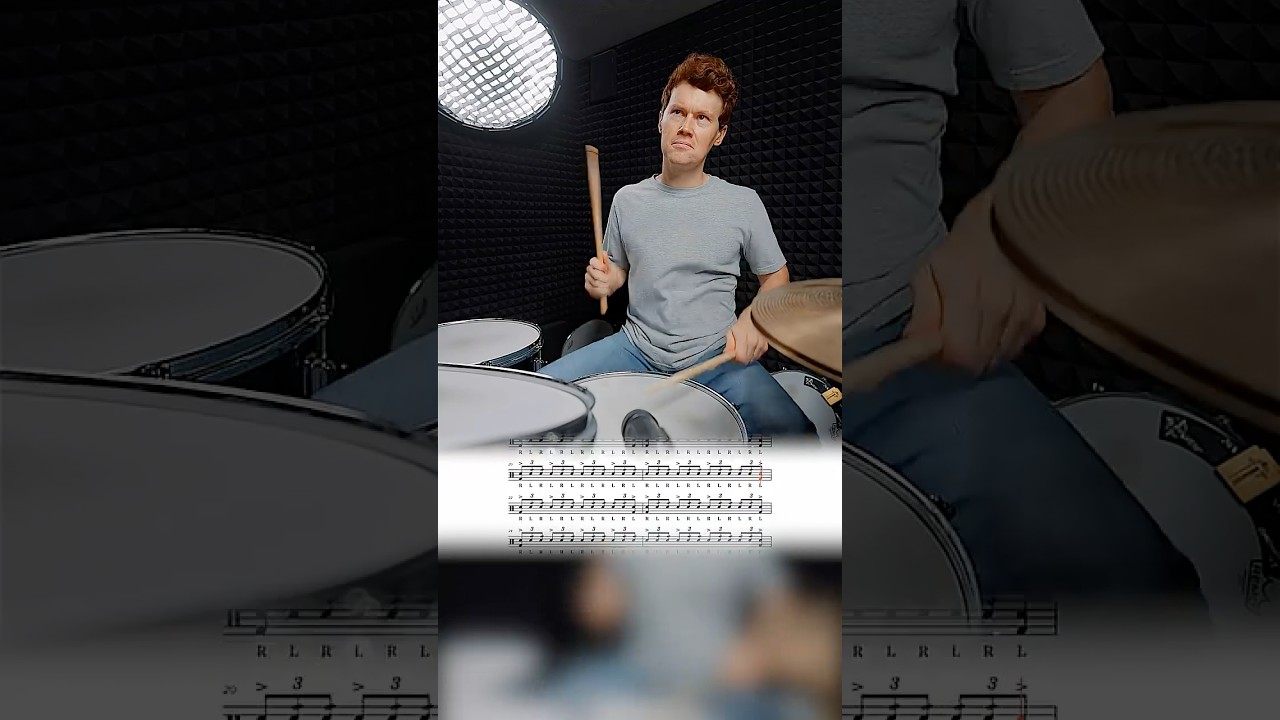
Jeff Randall is pointing at a snare solo he considers essential listening for anyone serious about rudiments, and the framing alone is worth your attention today. Traditional rudimental solos are where hand technique, dynamic control, and stickings you actually use on the kit all get worked out in one place. Spend a couple of minutes with a clip like this and you walk away with a concrete piece of repertoire to chip at.
Here's how to make it count. Pull up the clip, watch once for shape and phrasing, then watch again with sticks in hand and try to identify the rudiments driving each phrase. Flams, paradiddles, rolls, drags. Isolate one bar, loop it slow, and only speed up when the sticking feels clean at a resting hand height. A common mistake is chasing the tempo before the accents are locked, so let the accented notes lead and keep the taps quiet and close to the head. If you have a practice pad, park there. If you have the snare, work on making the buzz strokes and open rolls speak evenly at low volume before you push dynamics. Then take whatever two-bar figure grabs you and drop it into a fill on a groove you already play this week.
Rudimental snare solos aren't a detour from kit playing, they're the shortcut back to it.
✋ your weak hand isn't the problem — flam accents are the fix

Sari Kujala reframes the weak-hand problem in a way most drummers get wrong: your left hand probably isn't weak, it's under-controlled. She argues that grip habits and inconsistent stroke mechanics do more damage than any real strength gap, and that flam accents are the rudiment that exposes and fixes both.
Before you drill anything, check your grip. Kujala flags this first for a reason: if your fulcrum is tight or your fingers aren't guiding the rebound, you'll practice the imbalance in rather than out. Then use flam accents as the diagnostic. The rudiment forces your weaker hand to produce both a soft grace note and a full accent, which is where most players fall apart. Break it down slowly, one hand at a time, and match the accent height and tone between right and left before you speed anything up. From there, she opens up two variations worth stealing: accent displacement, which moves the accent around the sticking so you can't autopilot, and a left-hand lead pass, which flips the rudiment so your weaker side runs the show. Start well below your comfort tempo, watch the grace notes stay quiet and consistent, and only push speed once the two hands sound like the same hand.
The takeaway: stop trying to make your left hand stronger and start making it more controlled.
That's it for today! Thank you for carving out time to read! I'm grateful you're here. 🙏 If you'd like to support the newsletter, consider joining our premium tier.
If you have feedback, a story, or something you'd love to see in the newsletter, just reply to this email. I read every message and respond to each one.
Happy drumming,
Matteo