
Sponsored by

I'm 63 With $1.5M. Can I Spend $10K a Month?

You’ve saved $1.5 million. Now comes the real test.
Can it produce $10,000 a month, or will that pace drain your portfolio?
Most retirees do not get a clear answer until it is too late.
The issue is not just how much you have. It is whether your portfolio was built to pay you, not just grow.
That difference can determine whether your money lasts decades or starts breaking down early.
Sequence of returns, taxes on withdrawals, healthcare costs, and whether the 4% rule still applies all play a role.
Fiduciary advisors created a breakdown showing what drives sustainable income and why the same $1.5M can produce very different outcomes.
If you have $1M or more invested, do not guess.
⚡ Quick Hits
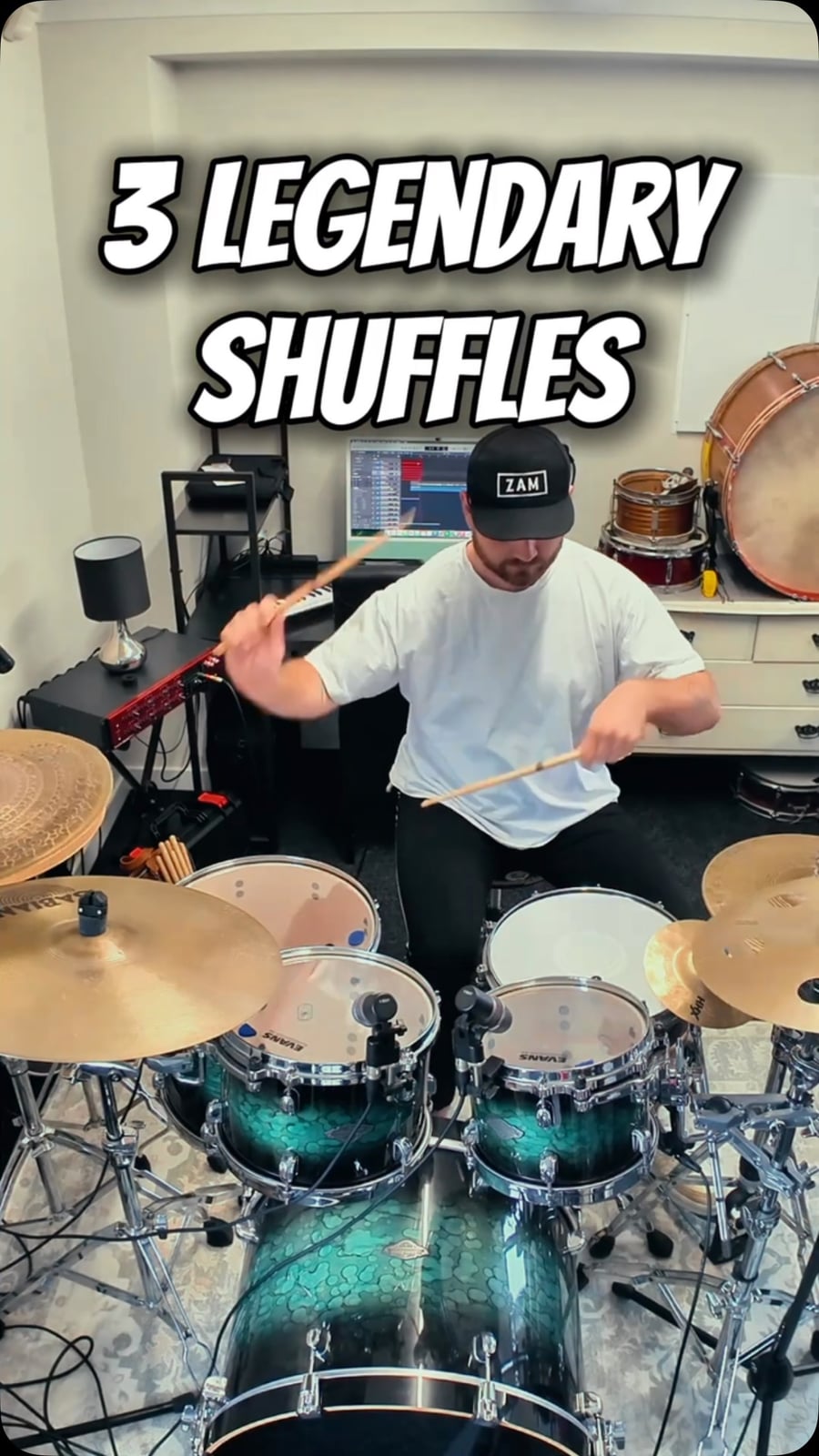
🎯 three legendary shuffles broken down, porcaro-style
@Sam MacKenzie - Session Drummer 🥁
Sam MacKenzie breaks down three legendary shuffles in one tight reel, with Jeff Porcaro's fingerprints all over the hashtags. It's a quick masterclass in the feel that separates a stiff shuffle from one that breathes. Worth a slow-mo rewatch if your right hand needs a nudge.
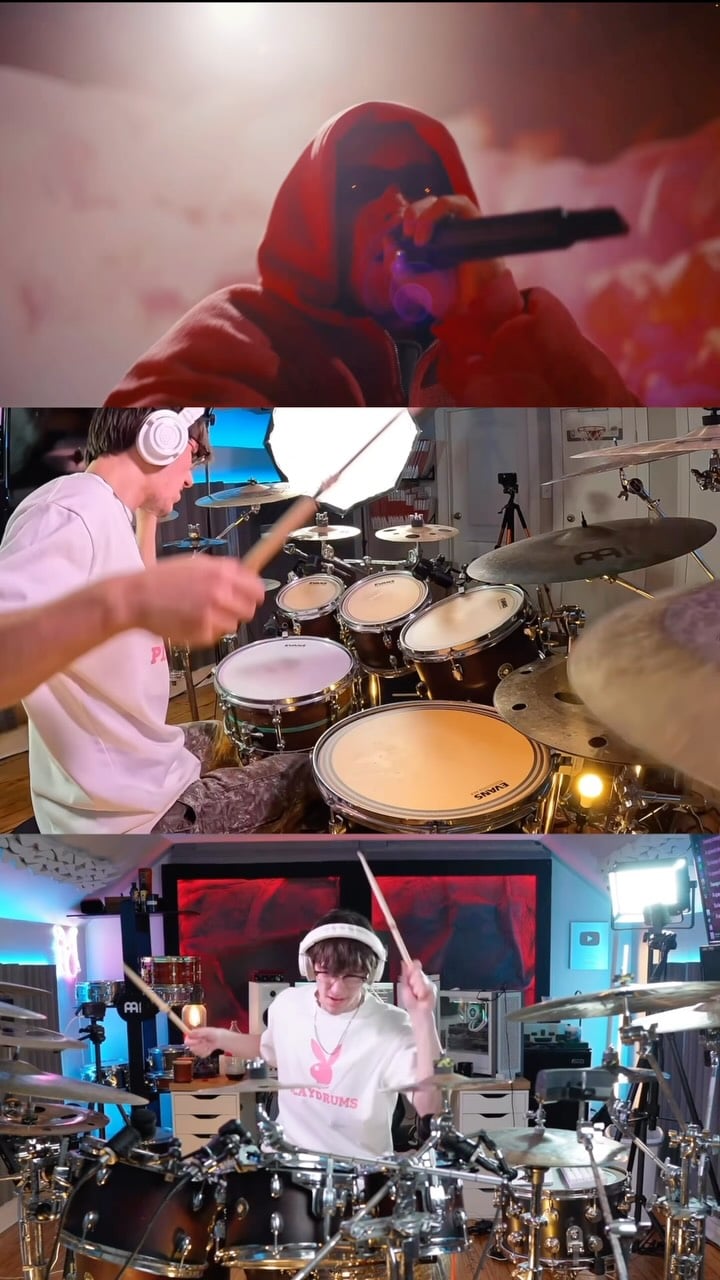
🎤 bieberchella with live drums? nate mueller shows how
@Nate Mueller
Bieberchella gets a live drum treatment from Nate Mueller, who layers his cover of "Speed Demon" over the freshly released live track. The Nashville session player has been home grinding content between studio runs, and this one lands with the pocket and polish you'd want behind Bieber's set. A tight glimpse at what the show sounds like with real kit underneath.
🛒 Gear Picks
🎯 15 evans snare heads, back to back in 30 seconds
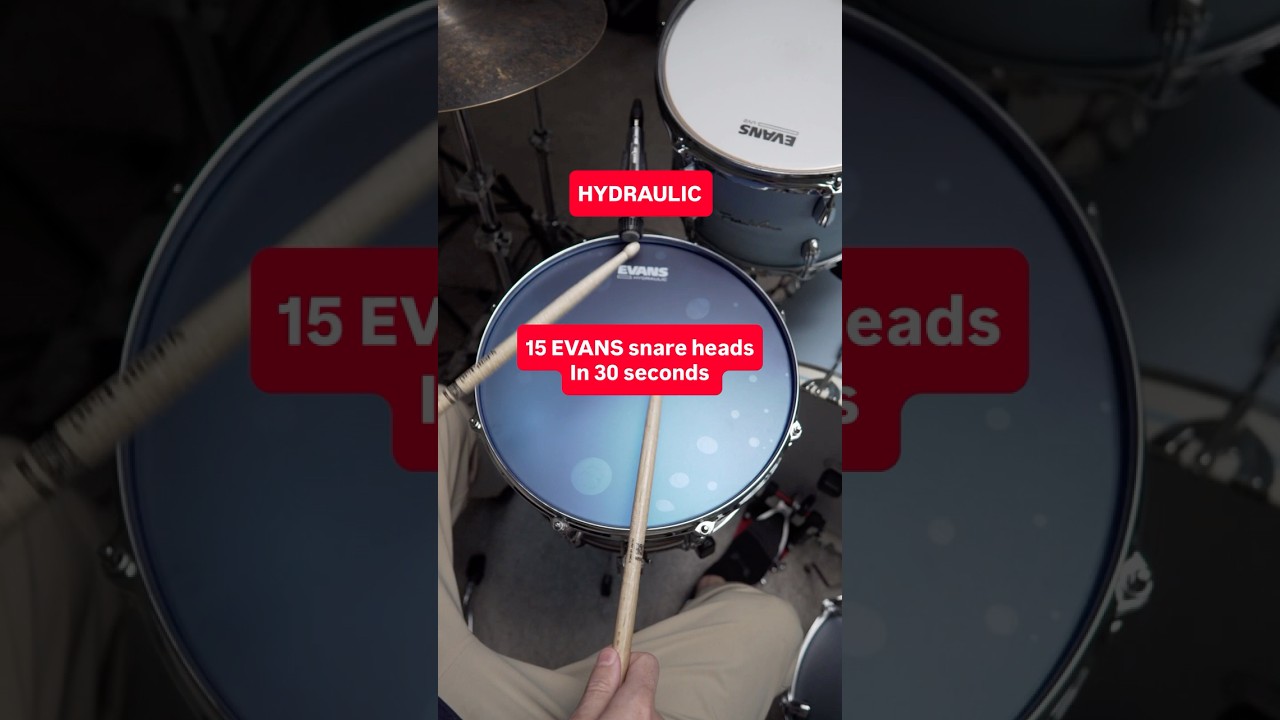
Ryan Prim rips through 15 Evans snare heads in a single rapid-fire clip, giving you a side by side reference for how each model actually sits on a drum. The Hydraulic, G2, and HD Dry all make appearances, along with a dozen others across the Evans lineup, so you hear the jump from wet and controlled to open and cutting without leaving the video.
It works as a shortcut for anyone weighing a head swap. Instead of reading spec sheets, you get the tonal fingerprint of each option back to back, which makes the differences between coated, clear, dry, and dampened builds obvious. Bookmark it before your next head change and use it to narrow the field before you spend anything.
🦶on sale: pdp's double-pedal hardware pack: dw feel, half the price

PDP's 800 Series 4-Piece Hardware Pack bundles a double pedal setup at a friendlier price than DW's own hardware lines. You get the PDDP812 double pedal with a dual-post, double-chain concentric drive and a cast footboard with integrated needle bearing hinge, plus the PDHH812 two-legged hi-hat stand, PDSS810 medium-weight snare stand, and a PDDT810RB round-top throne.
Details worth noting: lightweight composite memory locks on the tube joints, oversized anti-slip rubber feet, and an offset toe clamp on the pedal. Medium-weight hardware keeps the load manageable for gigging drummers who want responsive feel in a single pack.
🌊 Deep Dives
💪 why your hands burn out before the song does

Sari Kujala argues the reason your hands cramp at higher tempos has less to do with speed and more to do with fighting the stick's rebound instead of riding it. She breaks down the grip and motion behind relaxed playing, then puts the concept to work through her Singlemania exercise, a single stroke workout you build from 60 BPM upward.
The payoff is a speed test that shows where your endurance actually breaks down, plus a look at the tension habit that quietly caps a lot of players. Worth sitting with if your forearms give out before the song does.
🎓 Practice & Skills
📓 seven grooves brett clur wishes he'd learned sooner
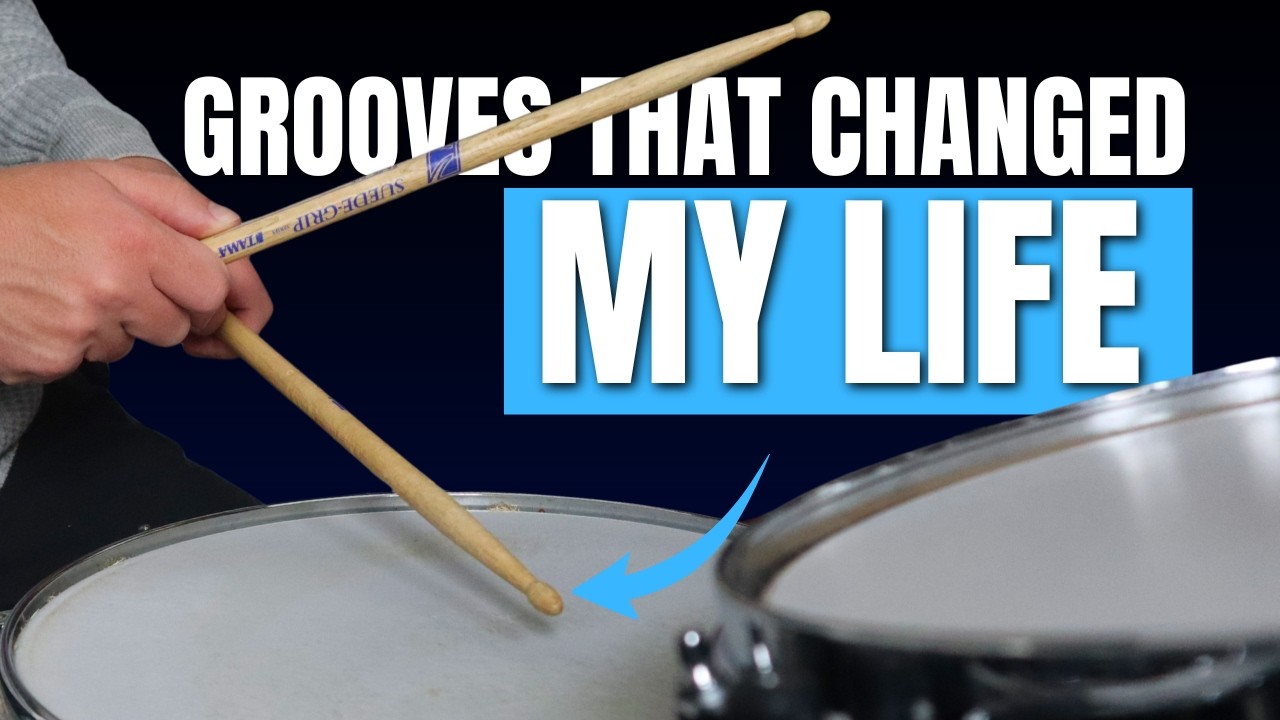
Brett Clur wants you to steal seven drum beats he wishes he'd learned earlier, and the pitch is simple: these are the grooves that quietly show up across pop, funk, gospel, and fusion once you start listening for them. Walk away from this lesson with a small vocabulary of patterns you reach for instead of defaulting to the same eighth-note backbeat every time you sit down.
The angle Clur opens up here is pattern literacy. Instead of learning beats one song at a time, you build a shortlist of grooves that transfer across styles. When you watch, keep a notebook next to the kit and log each beat as a one-bar sketch: kick, snare, hat placement, and any ghost notes. Then loop each one at a slow tempo before pushing it. Start around 70 BPM, get the limbs locked, then move up in ten BPM jumps. The common mistake is skipping the slow work and rushing to play the beat at full speed with sloppy spacing between the hat and the ghost notes. Pick one groove per practice session and apply it to a track you already know well, so your ear has a reference for how the pattern sits.
Grab the free PDF Clur links in the description so you have the notation in front of you while you work. Small vocabulary, big payoff.
👻 five ghost note grooves that make beats breathe

Ghost notes separate the drummers who play grooves from the drummers who make grooves breathe. Better Drumming's new lesson walks through five ghost note beats and, more importantly, the mechanics that make them sit right under a snare backbeat.
The concept is simple, the execution is not. A ghost note is a quiet snare stroke, played between the loud backbeats, low enough in volume that you feel it more than hear it. The trick is the height gap. Your accented backbeats sit high, your ghosts hover an inch or two off the head, and the stick has to travel that distance cleanly every time. Start with the fundamentals section at the top of the video before touching any of the grooves. Then pick one pattern, set your metronome slow enough that you hear a real dynamic difference between the accent and the ghost, and loop it until the ghosts stop poking through. A common mistake is letting the ghost hand tense up chasing the backbeat volume. Keep the fingers loose and let the stick rebound do the work. Apply groove one to a song you already know before moving on. Grab the free PDF from the video description so you have the notation in front of you at the kit.
Learn the height control first, and the five grooves teach themselves.
🤝 aaron gillespie's fastest shortcut to real drumming growth
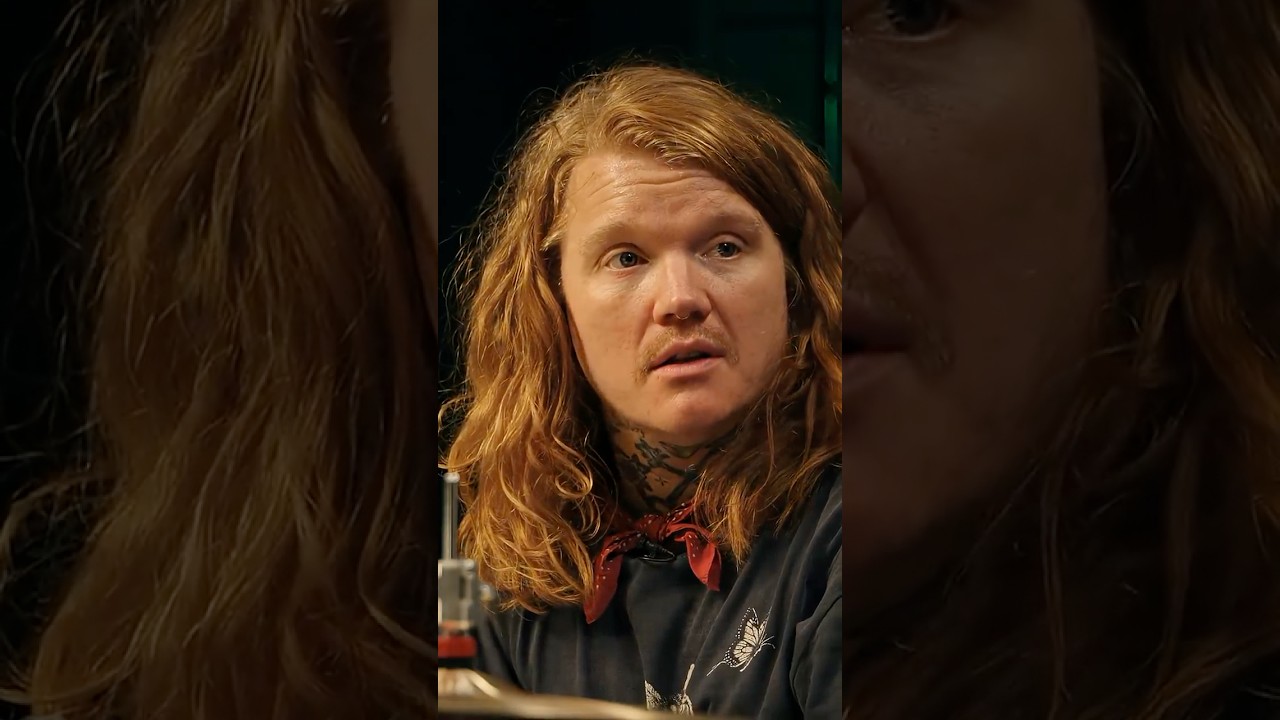
Aaron Gillespie's advice for drummers who want to grow faster: stop practicing alone. In this Drumeo clip, the Underoath drummer argues that the road to becoming a recording or touring musician has no fixed roadmap, and the shortcut most players miss is simply playing with other humans.
His point is practical. Tutorials teach you patterns. Other musicians teach you feel. A bassist who rushes the chorus, a guitarist who drags the verse, a singer who breathes in odd places, each one forces you to adapt your timing and pocket in real time. That reflex only builds under live pressure with people who hear the song differently than you do. Try this week: book one session with a bassist or guitarist you have never played with. Pick three songs outside your usual genre. Record it on your phone and listen back for the spots where you tightened up or fell behind. Notice whether you rushed fills, dropped the backbeat when the room got loud, or lost the hi-hat under the vocal. Those are the reps you cannot get from a metronome. If you have no one to play with, sit in at an open jam, join a worship team, or offer to track drums for a friend's demo for free.
Woodshedding builds your hands. Playing with other people builds your musicianship.
That's it for today! Thank you for carving out time to read! I'm grateful you're here. 🙏 If you'd like to support the newsletter, consider joining our premium tier.
If you have feedback, a story, or something you'd love to see in the newsletter, just reply to this email. I read every message and respond to each one.
Happy drumming,
Matteo