
Sponsored by

Surgery Recovery Starts Before Surgery

Many patients prepare extensively for the procedure itself — but recovery preparation often gets overlooked.
Healing increases demand for nutrients involved in tissue repair, immune support, collagen production, and recovery. HealFast was designed specifically to support the body before and after surgery with physician-formulated nutritional support created for the recovery process.
Instead of scrambling afterward, many patients now prepare for recovery before surgery even happens.
Because supporting recovery starts long before the procedure is over.

⚡ Quick Hits
📼 buddy rich in his prime
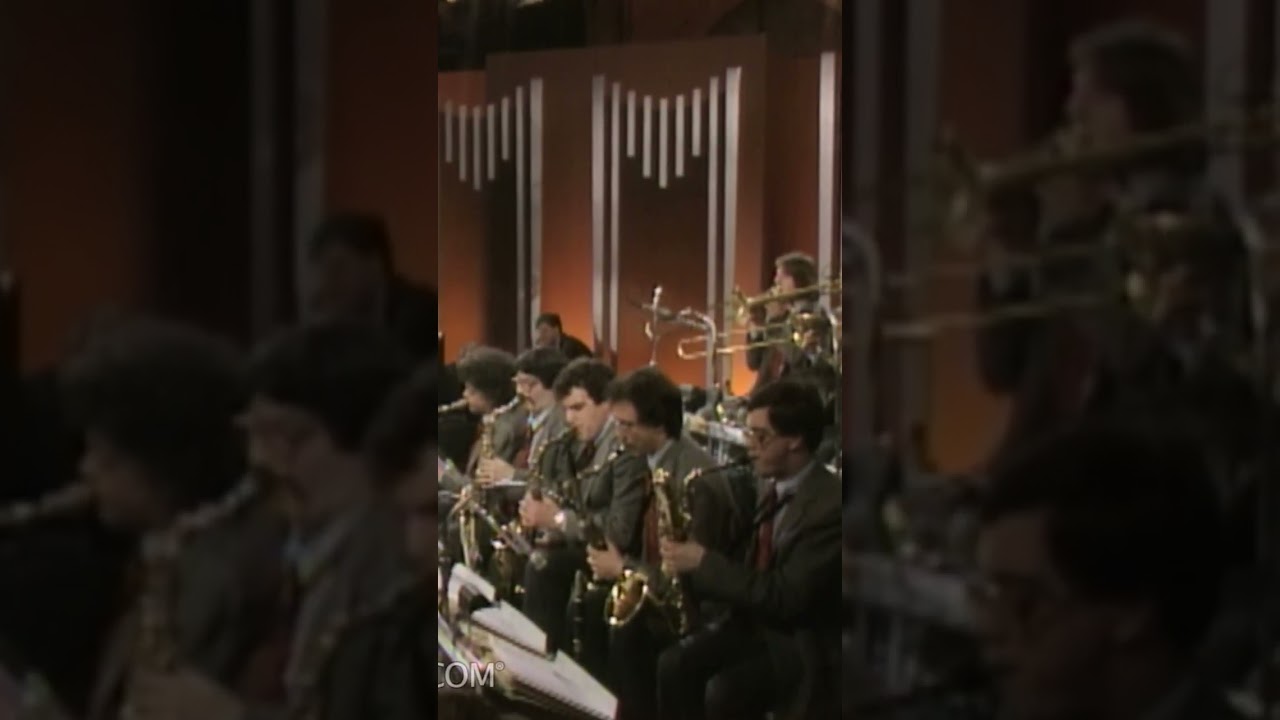
Drum Channel has surfaced previously unseen Buddy Rich footage, a short clip from a live take of "Oh, Lady Be Good." It's brief, but it's Buddy mid-flight on a standard he owned, and the kind of vault find worth a few rewinds even if you've heard every officially released cut a dozen times.
👻 jp bouvet's 26-second ghost note hack, worth looping
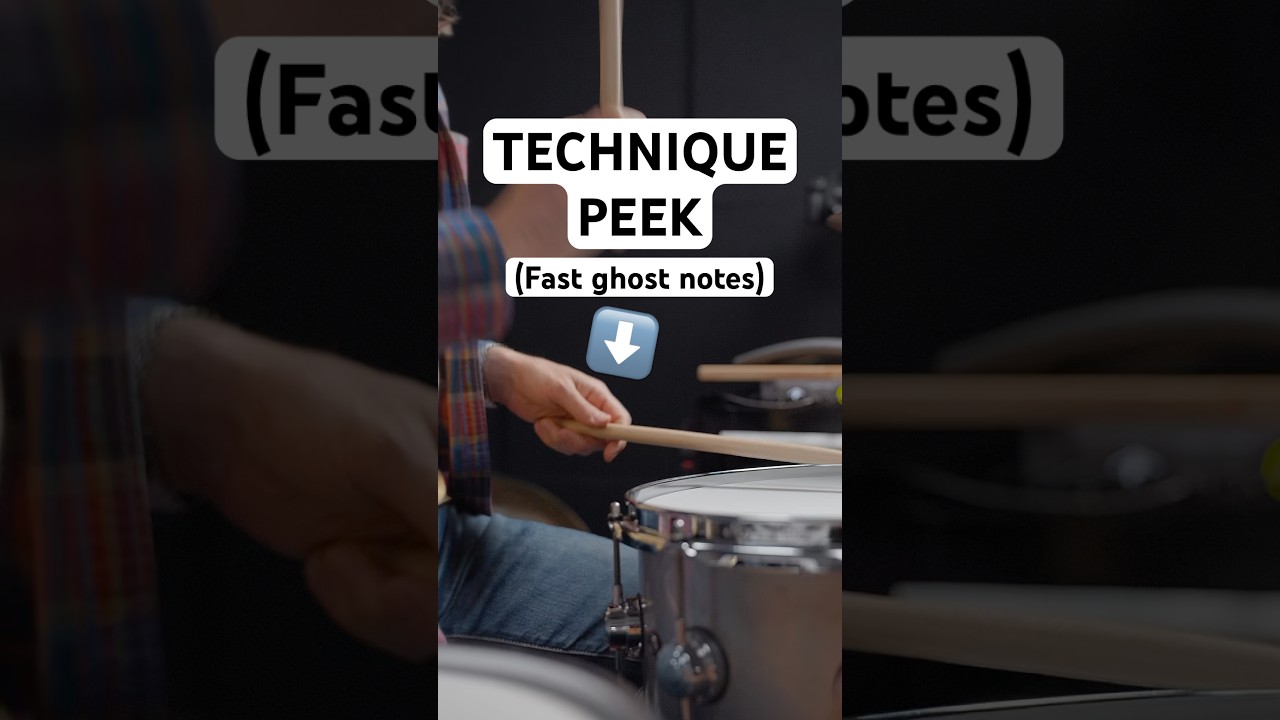
JP Bouvet squeezes a ghost note lesson into under half a minute, snare detail and hand mechanics laid out with his usual clarity. Short enough to loop on the practice pad a dozen times before your next session, and clear enough that you'll actually retain something from it.
🛒 Gear Picks
♻️ turnstile's daniel fang turns dead cymbals into a trashformer stack
Daniel Fang of Turnstile walked Modern Drummer through his "Trashformer" stack, and the name earns itself. It's the kind of junk-cymbal Frankenstein punk and hardcore players have been chasing for decades: cracked, retired bronze coaxed back into duty as a trashy, fast-decaying accent that cuts through Turnstile's wall of guitars without ringing into the next bar.
The clip is short, but it's a useful nudge for anyone sitting on a pile of dead cymbals. Pair a broken crash with a smaller china or splash on top, snug the wingnut, and you've got a stack that sounds nothing like either piece on its own.
✨ six istanbul agop lines, one room: xist to 30th anniversary

Sweetwater Soundcheck lined up a handful of Istanbul Agop's flagship lines back to back, including XIST, Traditional, OM, the Mel Lewis Signature, and the 30th Anniversary. Same room, same player, similar phrases on each, so the personality of each line jumps out instead of hiding behind production.
It's a handy reference if you're trying to place where Agop's catalog sits, from the more affordable XIST sheet bronze up through the hand-hammered, thinner anniversary territory. Worth bookmarking before your next cymbal purchase, even if only to settle the OM versus Traditional question in your own ears.
🌊 Deep Dives
🏎️ the hot for teacher intro myth, finally decoded
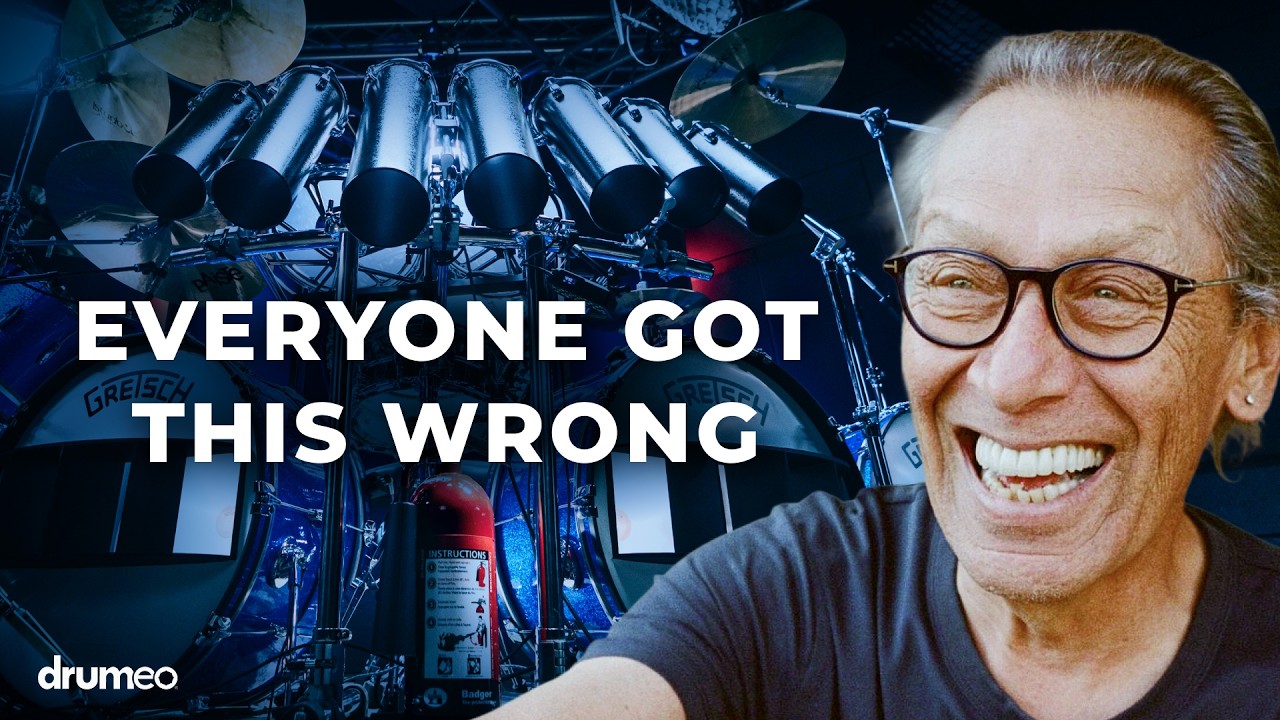
Alex Van Halen's "Hot For Teacher" intro has been argued about for decades. Lamborghini engine? Four kick drums? Layered overdubs? Drumeo's Brandon Toews digs into the mythology and lands on a less glamorous, more impressive answer: Alex just played it, blending Simmons electronics, double bass technique, and jazz phrasing into something that still trips up players forty years on.
The deep dive doubles as a tour of mid-80s studio tech, the origins of the double bass shuffle, and Alex's jazz roots. By the time Toews recreates the full intro, the trick stops being a trick and becomes a lesson in how feel, technology, and phrasing collide.
⚡ dimitri fantini's speed build: concept, voicings, then drills

Dimitri Fantini spends about ten minutes reframing how to chase hand speed, and the structure is what makes it worth the sit. He opens with "the old way to play," shows where it stalls, then layers in voicings to spice up a tired pattern before closing with targeted drills.
The lesson trades the usual "play it faster" advice for a build that moves from concept to musical application to mechanics. If you've been grinding singles to a click with diminishing returns, the middle section on dressing up a basic figure is where this one earns its runtime.
🎓 Practice & Skills
📄 Get this 4-page printable rudiment reference sheet on sale!

The Drummer's Rudiment Reference is a 4-page printable cheat sheet covering 30 essential rudiments with sticking patterns, BPM targets, and skill tags. Print it, hang it above the kit, and you stop wasting practice time guessing what to work on next.
Here is how to actually use it. Pick three rudiments per week, not thirty. Pull one from each family: a roll (single stroke, double stroke, or buzz), a diddle (paradiddle variants), and a flam or drag. Run each one for five minutes at the low end of the BPM target on the sheet, then push the metronome up in increments of 5 only when your stick heights stay even and your accents land where you want them. The common mistake is chasing tempo before control, you end up with rudiments that sound great at 90 and fall apart at 140. Isolate the weak hand first. If your left lags on inverted paradiddles, play the pattern leading with the left for the entire first minute. Then apply it to a real song the same day, paradiddles around the kit on a shuffle, flam taps as a fill into a chorus, single stroke sevens to break up a backbeat groove.
🎯 why your paradiddles sound flat — sari kujala's upstroke fix
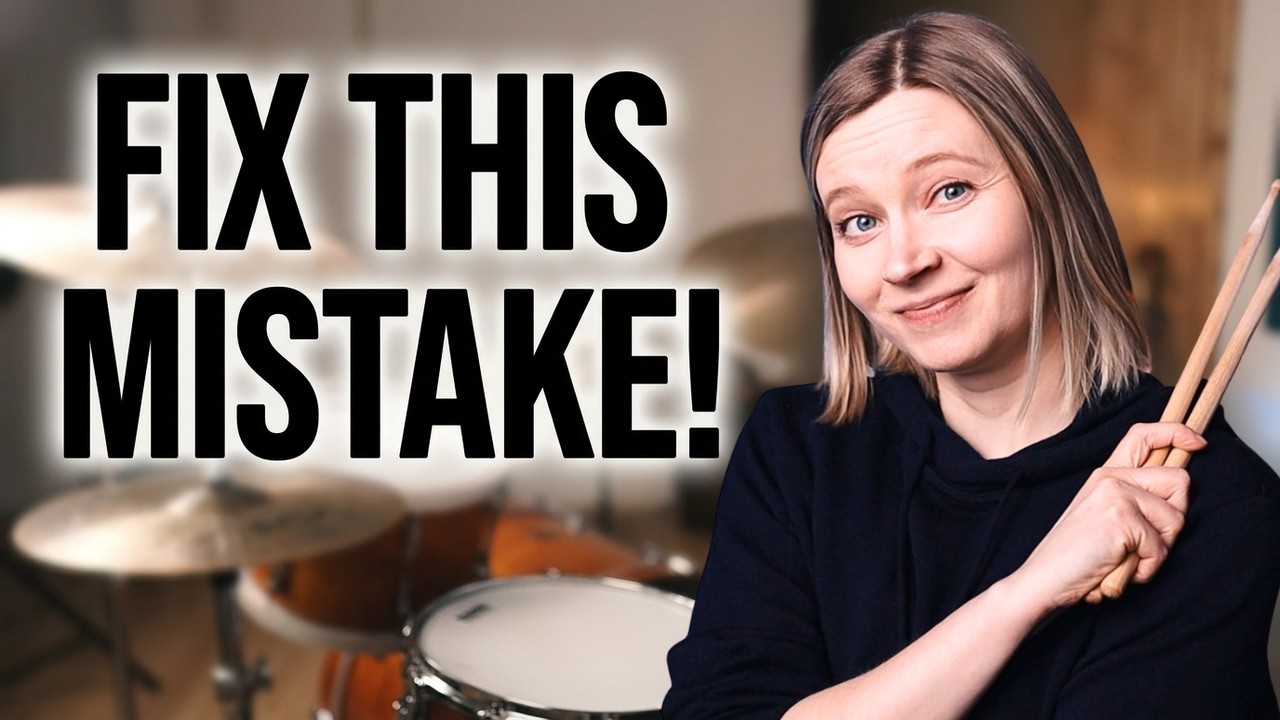
Sari Kujala has a diagnosis for the practicing-but-still-stiff drummer: you have no dynamic control. In an eight-minute breakdown built around the paradiddle, she argues that the gap between robotic and musical isn't more reps, it's the upstroke and the accent shape you've been ignoring. Walk away from this one knowing why your rudiments sound flat and what to actually change.
Here's the idea. Most self-taught players hit everything at roughly the same volume, so the paradiddle reads as sixteen identical notes instead of a phrase. Dynamic control means the accented note is genuinely louder and, just as importantly, the unaccented notes are genuinely quieter, which is where the upstroke comes in. After a low tap, you let the stick rebound up so it's already loaded for the next accent. No upstroke, no flow. Try this today: play a single paradiddle, RLRR LRLL, and exaggerate. Accent the first note of each grouping hard, then bring the other three down to a whisper near the head. Start slow, maybe 60 to 70 bpm, and watch your stick heights, not just listen. Two common mistakes to avoid: choking the accent by gripping, and letting the taps creep back up in volume when you speed up. Once it feels natural, flip to the inverted paradiddle, RLLR LRRL, and move the accents around the kit to turn the rudiment into an actual musical idea.
The takeaway: practice stick heights, not just patterns, and the stiffness goes away.
🧠 turn five rudiments into grooves with one voicing trick

That Swedish Drummer's latest lesson flips a familiar complaint on its head: if rudiments feel like a chore, stop practicing them as rudiments and start hearing them as grooves. He walks through five jumping-off points, the paradiddle, inverted paradiddle, double paradiddle, six stroke roll, and a quintuplet single-stroke pattern, and shows how each one becomes a usable beat once you start moving the hands around the kit and parking the bass drum and hi-hat in the right spots.
The core idea is voicing. A paradiddle is just RLRR LRLL until you decide the R is a hi-hat, an L is a snare, and a doubled stroke lands on a tom. Same sticking, totally different musical result. Try this today: play a single paradiddle as your foundation, send the right hand to the hats, and accent the snare wherever a backbeat naturally lands. Then run the inverted version (RLLR LRRL) and notice how the groove's center of gravity shifts. Start slow, somewhere you can actually hear each voice, and resist the urge to add kick patterns before the sticking is clean. The most common mistake is letting the doubles flam when you move them off the snare; keep the wrist motion identical whether the stroke is on the snare or a tom.
The takeaway: rudiments aren't the destination, they're the skeleton, and your job is to dress them as grooves.
That's it for today! Thank you for carving out time to read! I'm grateful you're here. 🙏 If you'd like to support the newsletter, consider joining our premium tier.
If you have feedback, a story, or something you'd love to see in the newsletter, just reply to this email. I read every message and respond to each one.
Happy drumming,
Matteo