
In partnership with


f you work in fintech or finance, you already have too many tabs open and not enough time.
Fintech Takes is the free newsletter senior leaders actually read. Each week, I break down the trends, deals, and regulatory moves shaping the industry — and explain why they matter — in plain English.
No filler, no PR spin, and no “insights” you already saw on LinkedIn eight times this week. Just clear analysis and the occasional bad joke to make it go down easier.
Get context you can actually use. Subscribe free and see what’s coming before everyone else.
⚡ Quick Hits
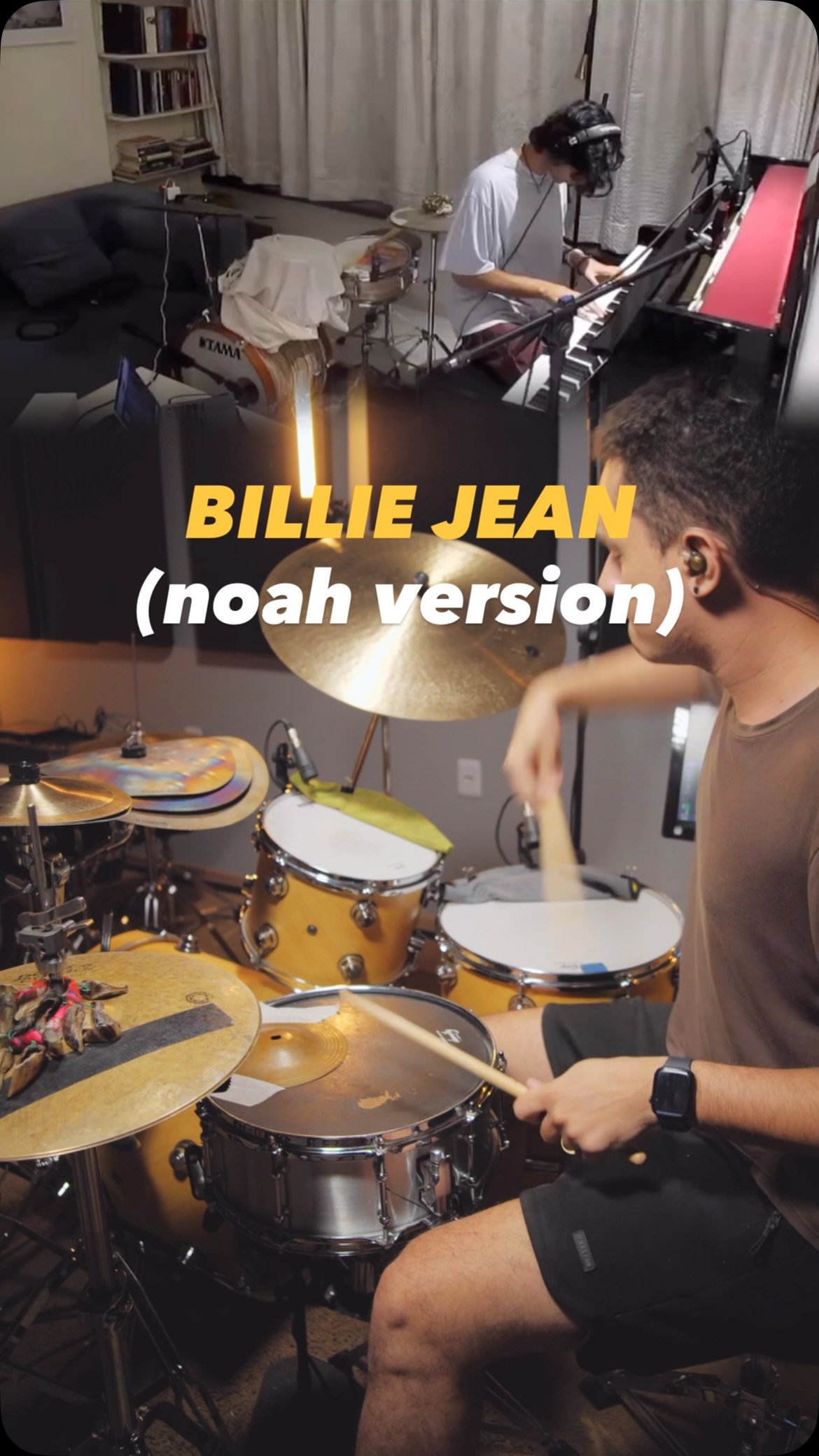
❤️ kembely almeida's noah cerejo cover hits 105k views
@Kembely Almeida
Noah Cerejo's jazz reharm of "Billie Jean" gets a serious lift from Kembely Almeida, whose brushwork and pocket turn the Michael Jackson hook into a smoky feature. The reel has already cleared 100k views, and the comments tell you why: the groove sits exactly where it needs to. Worth the 30 seconds.
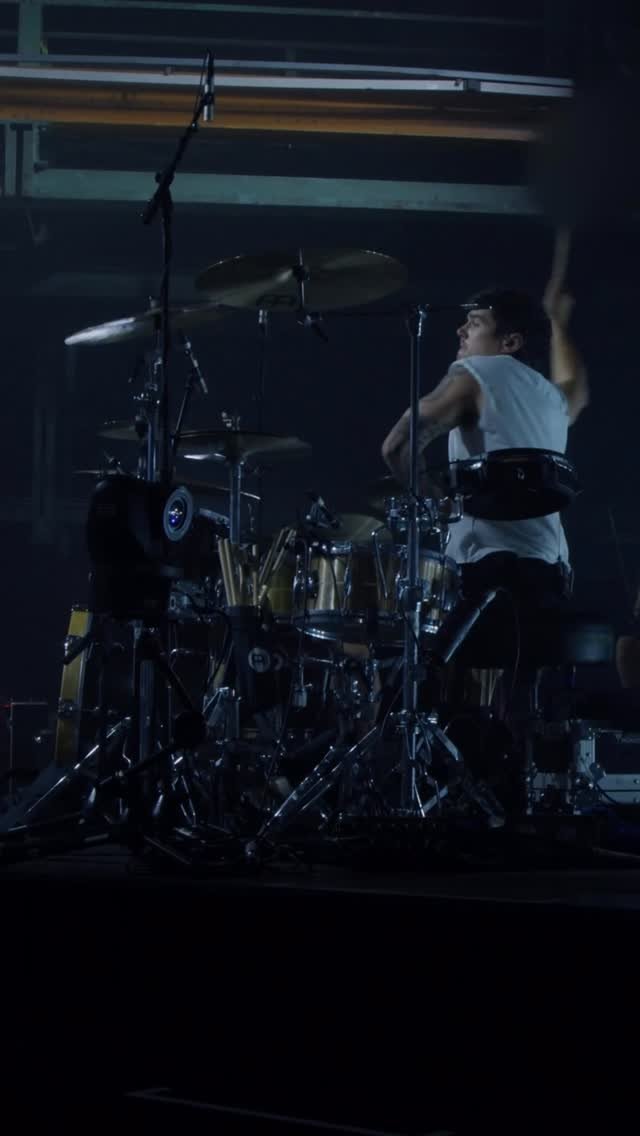
🏟️ ben sharp's arena-ready meinl rig with yungblud in munich
@Meinl Cymbals
Ben Sharp ripping "Hello Heaven, Hello" with Yungblud in Munich on the IDOLS EU Tour, leaning on a Byzance-heavy Meinl rig that pairs a 22" Foundry Reserve ride with Benny Greb Crasher Hats and Anika Nilles Deep Hats. The 21" Polyphonic Ride used as a crash is a nice touch. Short, loud, arena-ready footage worth a minute of your day.
🛒 Gear Picks
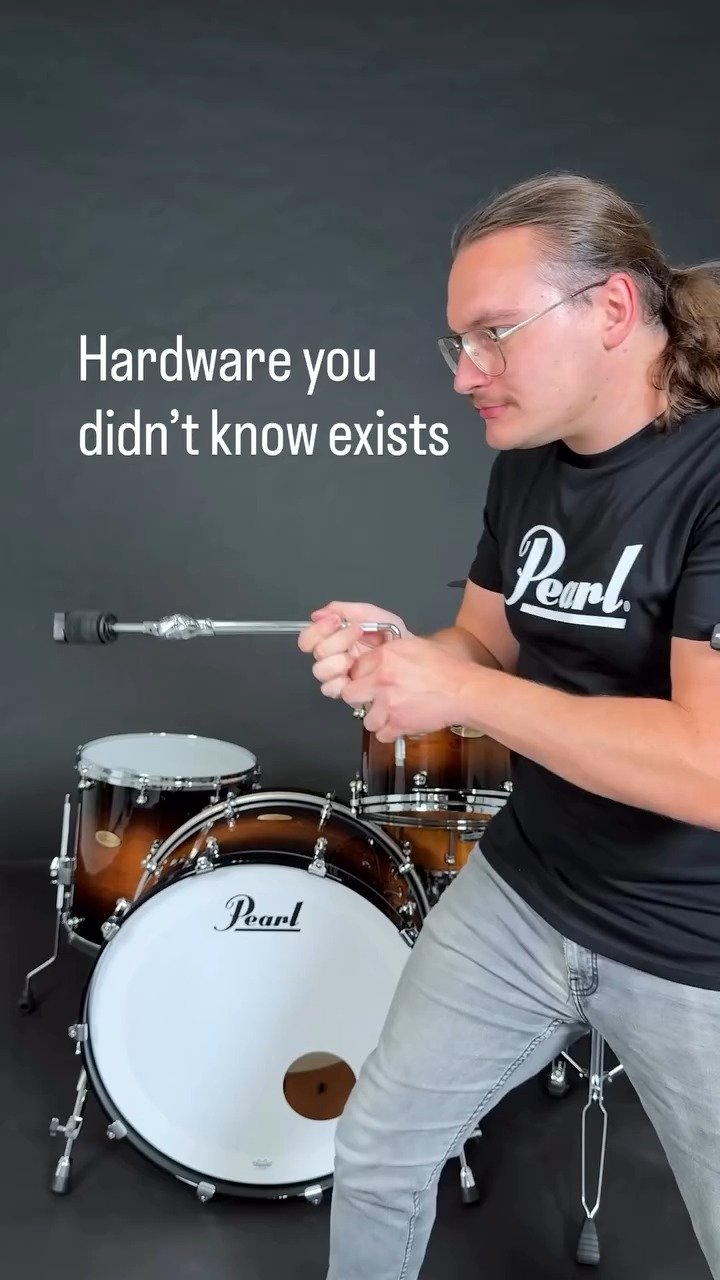
🔧 ditch the boom stand: pearl's useful hoop-mount cymbal holder
@Pearl Drums Global Official
Pearl's CHB-75CA Bass Drum Hoop Mount Cymbal Holder is a clever answer to a common setup headache: adding a cymbal without piling on more stands or drilling into your shell. A finish-protecting clamp grabs the bass drum hoop at any point along the front or batter side, and the included arm offers height and angle adjustment plus a gearless tilter to lock the cymbal exactly where you want it.
It is a clean, classic-looking solution for compact kits, stacker placements, or anyone trying to shed hardware weight on gigs. Grab one on zZounds.
🛠️ revive a dead snare with this evans tune-up kit
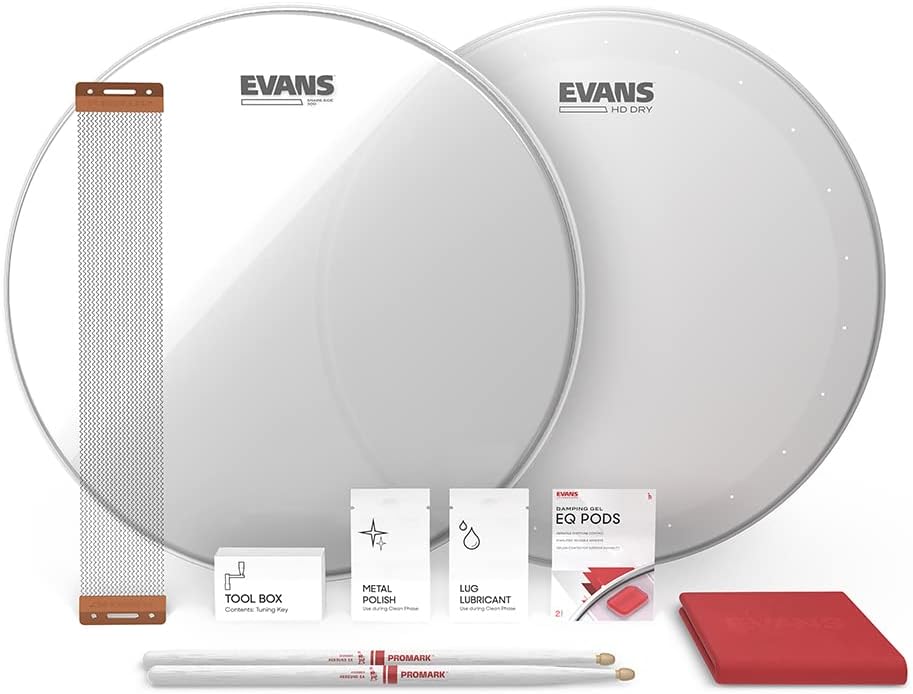
Evans bundled almost everything you need to bring a tired snare back to life into one box. The Snare Tune-Up Kit pairs a 14-inch HD Dry batter, with its precision-drilled edge vents and 2mil overtone control ring, against a 3mil Clear 300 snare-side for a focused, controlled response that handles soft ghost notes and rimshots without ringing forever.
Rounding out the kit: a Puresound Blaster Series 20-strand wire for extra snare presence, EQ Pods for fine-tuning sustain, lug lube, metal polish, a cloth, and a pair of Barney Beats ProMark Rebound 5As. Here's a quick unboxing I did.
🌊 Deep Dives
🔊 why avenged sevenfold's "the stage" breaks metal drummers
Brooks Wackerman sits behind his Avenged Sevenfold kit and walks through why "The Stage" still rattles drummers a decade after its 2016 release. Across roughly 15 minutes, he isolates the iconic double bass intro, the three-note pre-chorus motif, the Motown-flavored bridge, and the shifting time feels that turn the title track into a coordination puzzle even seasoned metal players struggle to fake.
What makes this one worth the full sit-down is hearing Wackerman frame it as the new player in the chair, retracing the song that pushed Avenged Sevenfold into their progressive era. It's part origin story, part technical autopsy, and a rare chance to watch a working metal drummer explain exactly where the floor drops out.
🎓 Practice & Skills
🔄 the paradiddle flip that turns rudiments into funk

@Eddie Van Dongen | Creative Drum Coach
Eddie Van Dongen is ten days into a 30-day challenge of moving paradiddles around the kit, and Day 10 zeroes in on the inverted paradiddle. The takeaway: if you only ever run paradiddles on a practice pad, you are leaving the most useful rudiment in drumming locked in a drawer. Voiced across toms, snare, and cymbals, it turns into funky, broken phrasing that actually sounds like music.
Quick refresher. A standard paradiddle is RLRR LRLL. The inverted version flips the doubles into the middle: RLLR LRRL. That subtle reshuffle changes which hand lands on the downbeats as you cycle it, which is exactly why it opens up so many orchestration options around the kit. Try this today. Put on a metronome at 70 to 80 bpm and play the inverted sticking as straight sixteenths on the snare until it feels automatic. Then move just the doubles to a tom while the singles stay on snare. Then send the first single to a cymbal with kick underneath. Same sticking, three different musical pictures. The common trap is rushing to the kit before the hands feel even, so the doubles flam or drop in volume. Isolate it on the pad for a minute, then take it to the drums and let your ear pick the orchestration.
Watch Eddie's Day 10 for the specific voicing he uses, and steal one idea for your next groove or fill. Rudiments earn their keep when you move them.
🧠 stop overthinking chops — hegerle's vocabulary fix
@Daniel Hegerle
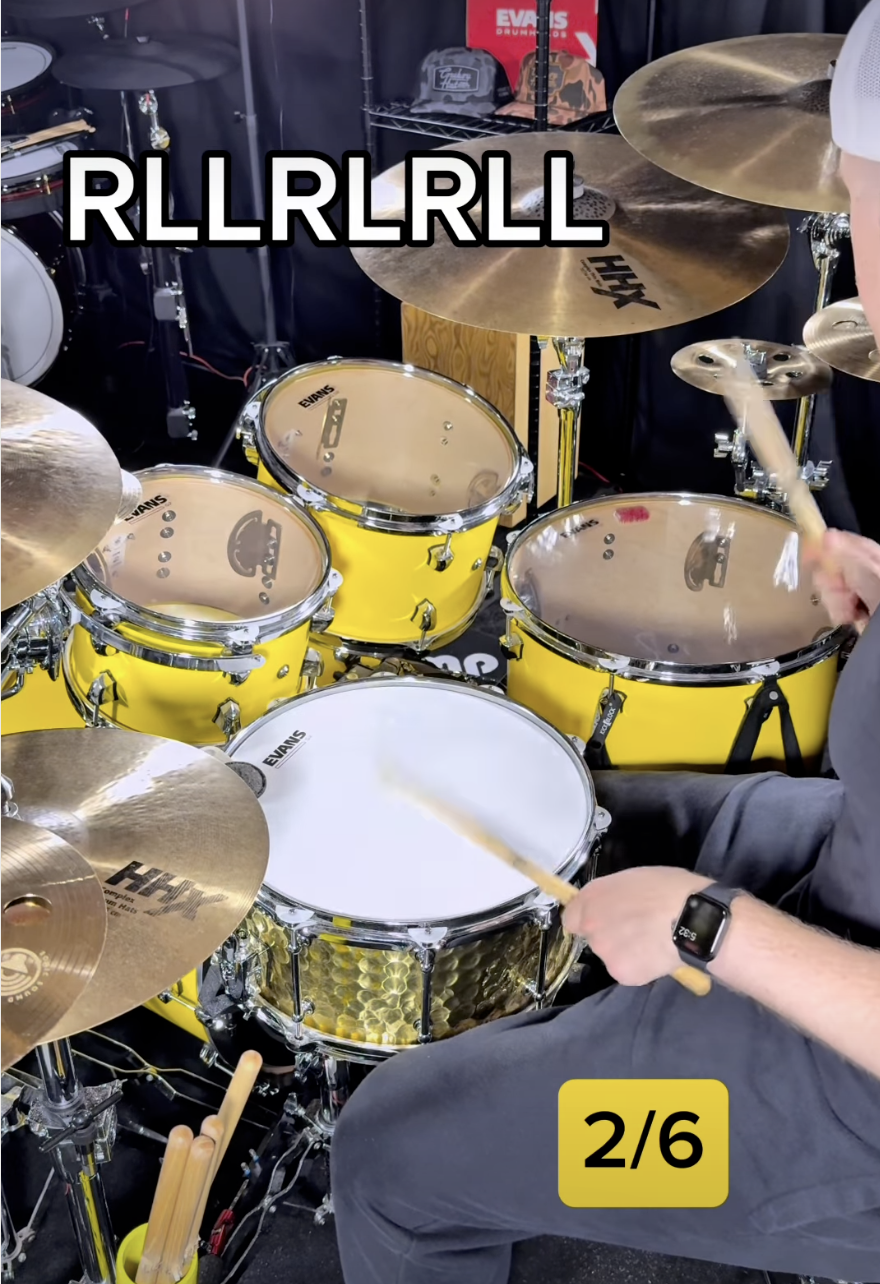
Daniel Hegerle's pitch in this clip is simple: stop overthinking chops. Good-sounding fills don't require exotic rudiments or six-stroke gymnastics. They come from basic patterns you already know, rearranged with intent. Walk away with one mindset shift: treat chops as a vocabulary problem, not a chops problem.
The angle Hegerle opens up here is building fills out of foundational shapes you've already drilled. Think singles, doubles, paradiddles, and simple groupings of three or four notes around the kit. The trick isn't inventing something new, it's orchestrating what you have. Take a basic 16th-note single stroke run and move every other note to a tom. Take a paradiddle and put the accents on the snare with the rest on toms. Move the same six-note grouping across snare, rack, floor. The sticking stays familiar, but the sound transforms because the voicing is doing the heavy lifting. Start slow, somewhere around 70 to 80 bpm, and lock the pattern in before you chase speed. The common mistake is reaching for complexity to mask a shaky idea. If a fill doesn't sound good slow, it won't sound good fast. Pick one song you already play and swap a stock fill for a paradiddle voiced around the kit. That's the whole exercise.
Takeaway: orchestration beats complication. Move simple stickings around the drums and your chops will already sound better tomorrow.
🦶 dennis chambers' triplet trick for a locked-in kick
@Pavel Mamonau
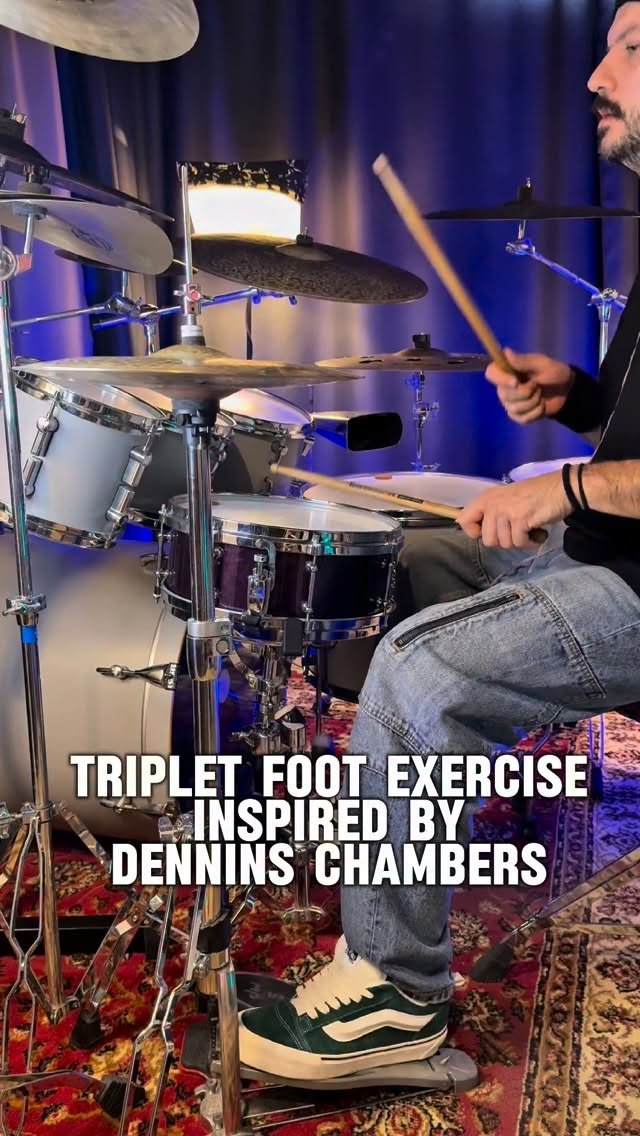
Dennis Chambers' triplet vocabulary is the jumping-off point for this Pavel Mamonau clip, and the lesson buried in it is one of the most useful things you can practice this week: phrasing triplet groupings over a straight pulse so your bass foot stops fighting the barline and starts riding the cycle.
The idea is simple to say and humbling to play. Keep a straight quarter or eighth pulse on top (ride, hat, snare backbeat — whatever anchors you), then layer triplet groupings underneath with the kick. Because the grouping length and the pulse don't agree, the accents walk across the bar before resolving. Start absurdly slow, somewhere around 60 bpm, and loop one bar until the foot stops guessing. Count the pulse out loud while your kick plays the triplet shape — that's the rep that actually builds the lockout. The most common mistake is rushing the kick to "catch" the next downbeat. Don't. Trust the cycle and let the resolution come to you. Once one grouping is clean, swap to another and feel how the same foot pattern lands differently against the same pulse. Apply it to a shuffle or a half-time funk groove and the payoff shows up immediately as fills that breathe across the bar instead of slamming into it.
That's it for today! Thank you for carving out time to read! This community means a lot to me, and I'm grateful you're here. 🙏
If you have feedback, a story, or something you'd love to see in the newsletter, just reply to this email. I read every message and respond to each one.
Happy drumming,
Matteo