
Sponsored by

I'm 63 With $1.5M. Can I Spend $10K a Month?

You’ve saved $1.5 million. Now comes the real test.
Can it produce $10,000 a month, or will that pace drain your portfolio?
Most retirees do not get a clear answer until it is too late.
The issue is not just how much you have. It is whether your portfolio was built to pay you, not just grow.
That difference can determine whether your money lasts decades or starts breaking down early.
Sequence of returns, taxes on withdrawals, healthcare costs, and whether the 4% rule still applies all play a role.
Fiduciary advisors created a breakdown showing what drives sustainable income and why the same $1.5M can produce very different outcomes.
If you have $1M or more invested, do not guess.
⚡ Quick Hits
🎸 oasis anthem gets the domino santantonio dynamics treatment
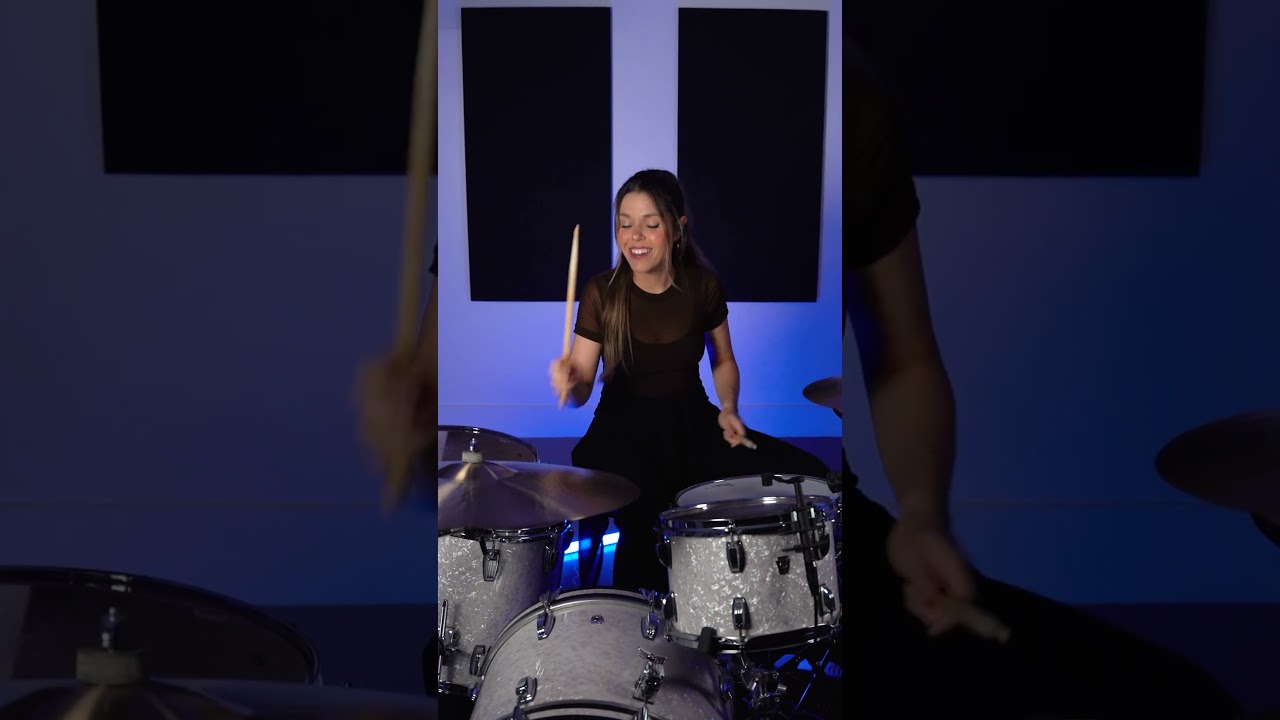
Domino Santantonio takes on Oasis' "Don't Look Back in Anger" at the Thomann Drum Bash, translating the anthem's slow burn into a full kit performance. Her feel for the tune's build, from restrained verses to the chorus payoff, is what makes this one worth the replay. A tidy showcase of dynamics over flash.
🛒 Gear Picks
🥁 bonham's snare head vs three modern 2-ply rivals

Bonham's Emperor Vintage Coated anchors this quick tour through four two-ply snare batters from Remo, all struck on a 6.5x14 Gretsch Brooklyn maple/poplar shell with 302 hoops and an Ambassador Hazy underneath. The Emperor Coated and Emperor Vintage Coated deliver that 60s and 70s classic rock punch, warm, fat, familiar.
The Emperor Black Suede and Powerstroke P4 Coated push the same two-ply format into darker territory with tighter stick articulation, better suited for modern styles where you want focus without losing body. A useful A/B if you're weighing your next snare head and want to hear how ply construction and coating shape the tone before you commit.
🐙 20% off pdp's kraken piccolo: a $80 side snare that cuts
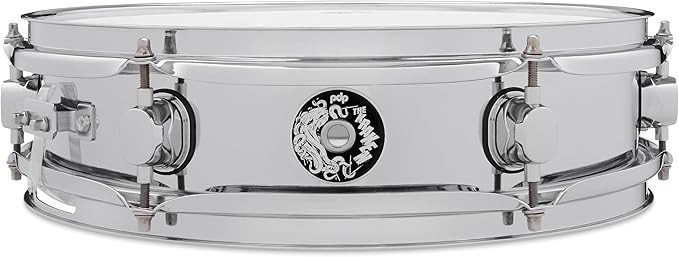
PDP's Kraken piccolo brings a 3.5x13 rolled 1mm chrome-over-steel shell to the table, tuned for the kind of piercing crack that sits on top of a mix without wrestling the kick for space. Triple-flange 1.5mm hoops give rimshots real bite, and DW's True-Pitch rods make fine tuning less of a fight than most budget metal shells allow.
Owners point to a snappy attack straight out of the box, with several noting the stock heads tune up better than expected before any upgrades. Swap in an Evans dry batter and heavier snare wires and you have a legitimate side snare for metal, punk, EDM programming, or anywhere your main drum needs a sharper counterpoint.
🌊 Deep Dives
💥 chris coleman's explosive solo, decoded through his a-b-c method
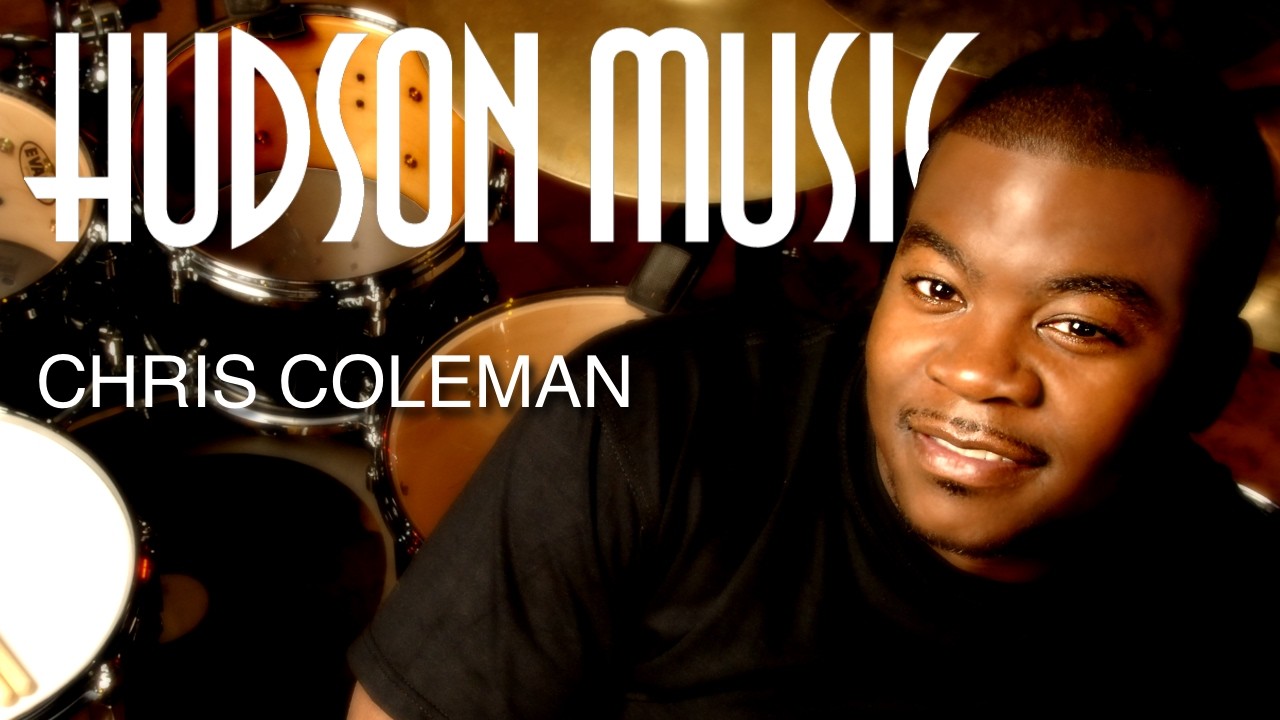
Chris Coleman closes out Hudson Music's Dynamic Drumming with a solo that earns the title. Before the fireworks, the lesson digs into his A-B-C practicing method, a stack of exercises, and a bass-and-drum segment on locking with a player and staying in the pocket. The interview fills in the thinking behind the chops.
Sit with this one if you want to see how a technician builds toward release. The framework comes first, then Coleman lets it rip. Watch the solo twice: once for the spectacle, once to hear the vocabulary he drilled earlier in the video showing up in real time.
🎤 anika nilles on filling neil peart's chair in rush

Anika Nilles stepping into Neil Peart's chair with Rush is the interview drummers will want to sit with this week. In her conversation with Thomann's Drum Bash, she walks through how she prepared the material, whether she leaned on studio or live versions, and which song gave her the most trouble. She also names the Rush albums newcomers should start with and shares what surprised her most about Peart's playing once she got inside it.
The back half turns practical: her stage setup, what she found in hybrid drumming while building the show, and why social skills matter as much as chops when you land a gig this size. Worth the full sit for the mindset around feel, phrasing, and building your own voice under enormous expectation.
🎓 Practice & Skills
🗣️ make your fills bark instead of blur — jeff randall's trick
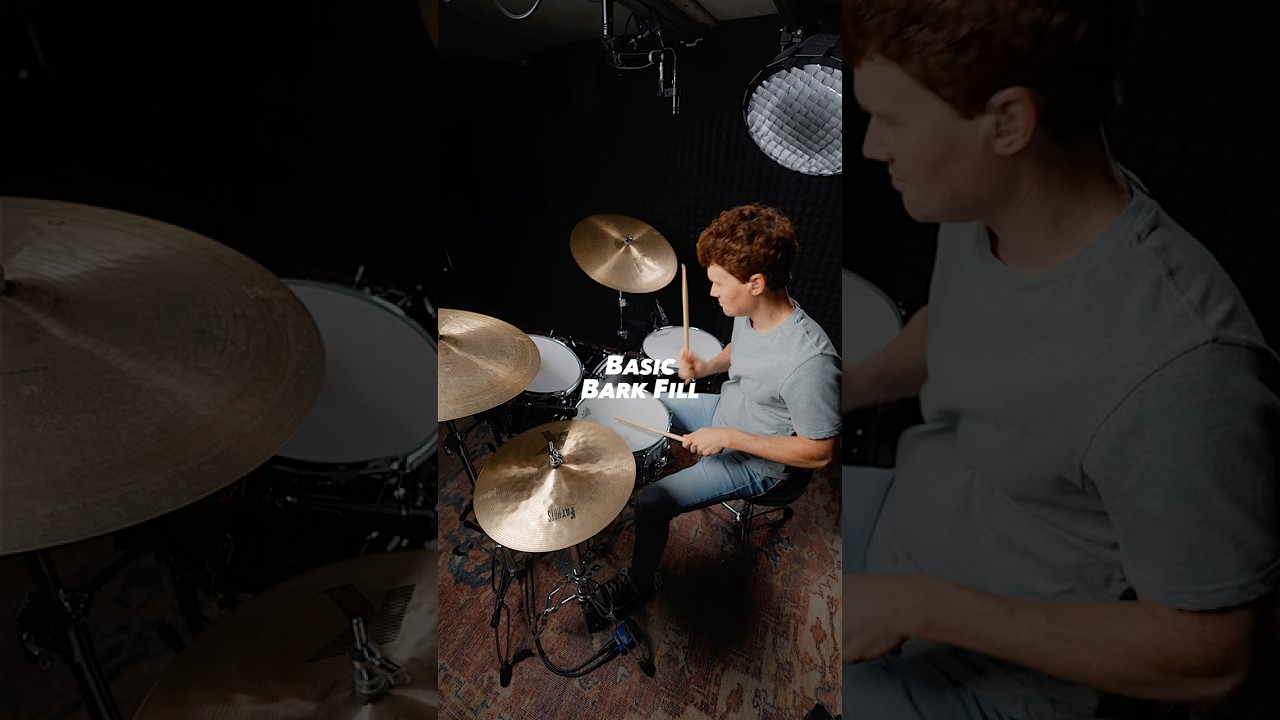
Jeff Randall wants your fills to bark. His short lesson opens up a simple idea: instead of running smooth, even notes across the toms, you shape the phrase with accents and dynamics so it cuts through the track like a voice.
Think about how a phrase sounds when someone raises their voice on one word. That is what a barking fill does. Pick a familiar six-stroke or four-stroke fill you already play, then choose one or two notes inside it to hit harder while keeping the rest quieter. The contrast is where the character lives. Start slow enough to hear the difference between your accented and unaccented strokes, then bring it up to tempo once the shape holds. A common mistake is playing everything at the same volume and hoping the toms do the work for you. They will not. Your hands have to sell it. Try applying the concept to a straight rock groove at a medium tempo, dropping a two-beat fill into the fourth bar and pushing the last three notes harder than the first three. Then flip it, accent the front, taper the back.
Fills should say something, not fill space. Give them a voice.
⚡ shift gears mid-fill: the trick that sounds pro

Marty B. picks up where Part 1 left off and pushes the same fill-development idea into new rhythmic territory. Walk away knowing how to stretch one fill idea across two subdivisions instead of memorizing another stack of patterns.
The concept is simple. Take a fill you already play in straight 16th notes and rephrase it as 16th-note triplets. Same stickings, same voicings around the kit, faster subdivision. Then combine both feels in a single longer fill so the phrase shifts gears mid-bar. That gear change is what separates a stock fill from one that sounds intentional.
Try this today. Pick one four-beat fill you play on autopilot. Loop it as straight 16ths at a slow tempo, around 80 bpm, until the sticking is locked. Play the same shape as 16th-note triplets at the same tempo. Your hands stay the same, only the grid changes. Once both feel clean, string them together: two beats of 16ths into two beats of 16th-note triplets, resolving on beat one. Common mistake to avoid is rushing the triplet half. Use a metronome with the subdivision clicking so the transition stays honest. Apply it to any medium tempo tune where you'd normally throw in a stock fill at the turnaround.
The takeaway: develop the fills you already own instead of collecting new ones.
🧠 mike johnston's desert-island pad exercise, endlessly remixed

Mike Johnston says if he had to pick one practice pad exercise for the rest of his life, this is it. The pitch: dial in your dominant hand, wake up your weak hand, and add a pinch of texture, all from a single pattern you already have the vocabulary for.
The real lesson is not the sticking itself. It's the mindset. Johnston's point is that a basic pad exercise stops being basic the moment you get curious with it. Once the pattern feels comfortable, he pushes you to make it unique. Drop the last two notes and play it in 7 instead of a straight even grouping. Loop it over an ostinato so your feet stay honest while your hands work. Swap every left hand note for a kick and suddenly it's a groove study, not a hand study. Same notes, different job.
Try this today. Pick any rudimental pattern you already run as a warmup, singles, doubles, paradiddles, whatever. Play it clean at a comfortable tempo for two minutes. Then apply one of Johnston's variations: shift it into 7, add a quarter note ostinato with the hi hat foot, or move the left hand to the kick. Do not stack all three at once. One variable at a time, or the exercise falls apart and you learn nothing. The takeaway: the basics are only basic if you stop asking questions of them.
That's it for today! Thank you for carving out time to read! I'm grateful you're here. 🙏 If you'd like to support the newsletter, consider joining our premium tier.
If you have feedback, a story, or something you'd love to see in the newsletter, just reply to this email. I read every message and respond to each one.
Happy drumming,
Matteo