
In partnership with

Write docs 4x faster. Without hating every second.

Nobody became a developer to write documentation. But the docs still need to get written — PRDs, README updates, architecture decisions, onboarding guides.
Wispr Flow lets you talk through it instead. Speak naturally about what the code does, how it works, and why you built it that way. Flow formats everything into clean, professional text you can paste into Notion, Confluence, or GitHub.
Used by engineering teams at OpenAI, Vercel, and Clay. 89% of messages sent with zero edits. Works system-wide on Mac, Windows, and iPhone.

⚡ Quick Hits
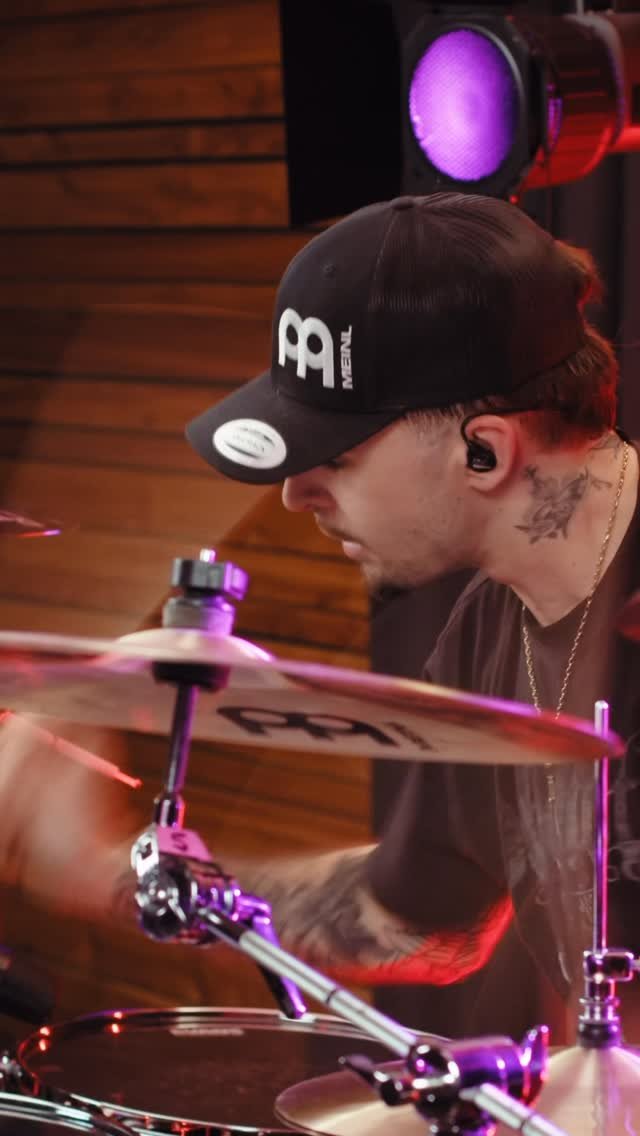
🔊 tom aimson torches guilt trip's "burn" on a chaos-stacked meinl rig
@Meinl Cymbals
Tom Aimson tears through "Burn" by his band Guilt Trip on a Meinl rig stacked for chaos, anchored by an 18" Byzance Dual Trash China and a 21" Pure Alloy Custom Superbell Ride. The reel pulls 32K views in three days, and you can hear why: every accent has a different flavor of metal screaming back. Full version is up on Meinl's YouTube if you want the whole performance.
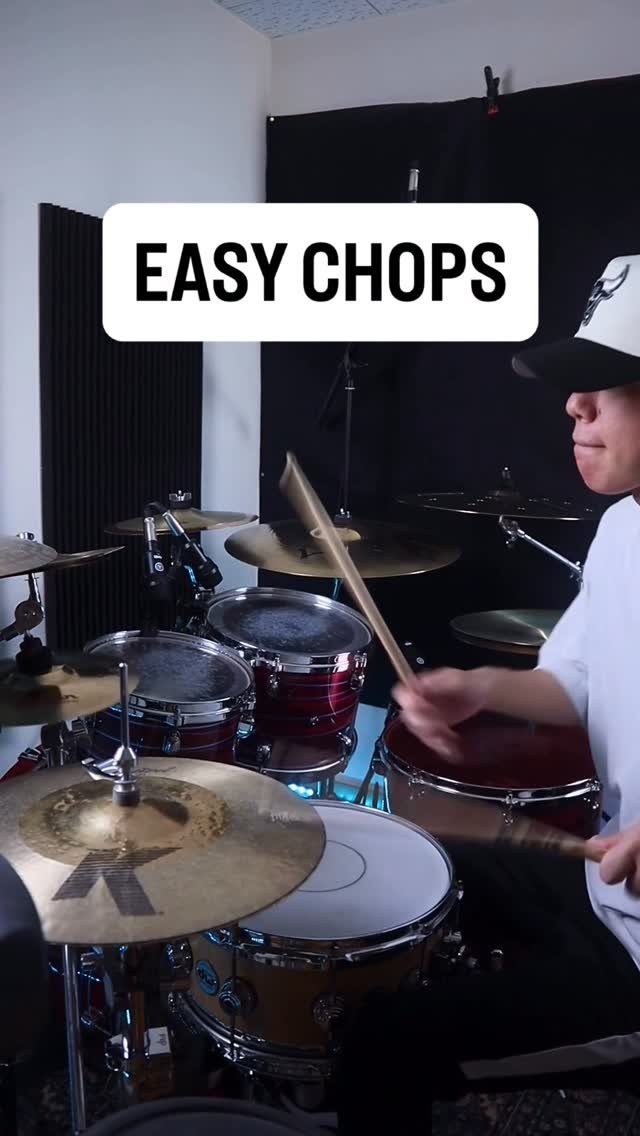
⚡ kuga keita's "easy chops" hide the real flex in the pocket
@九家京太 Drummer
Kuga Keita drops a quick reel called "EASY CHOPS," and the title undersells it: clean DW and Tama tones, Zildjian sizzle, and chops that sit so far in the pocket they barely register as flash. The Japanese session ace makes 14k viewers feel the difference between hard and effortless. Worth the 30 seconds.
🛒 Gear Picks
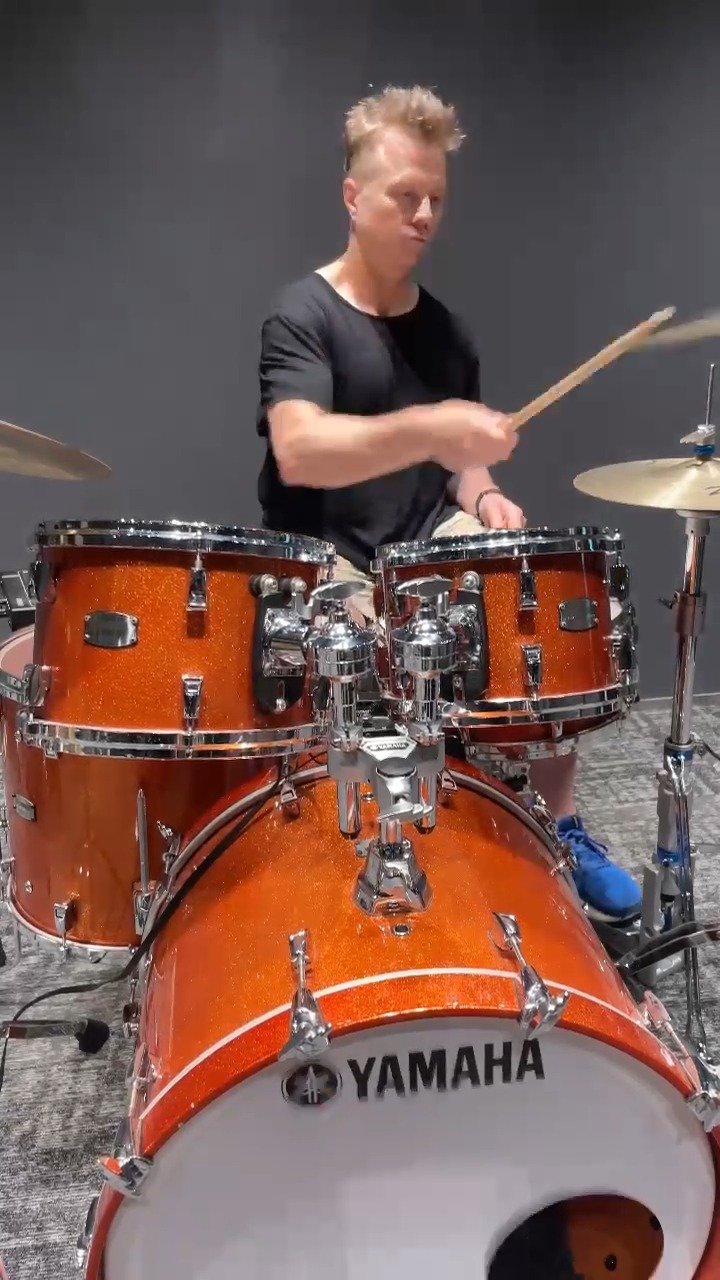
✨ cliff almond's orange sparkle groove, miked by one ead10
@Yamaha Drums (Official)
Cliff Almond locks into a deep pocket on Yamaha's Absolute Hybrid Maple in Orange Sparkle, captured through the EAD10 for that polished, room-and-trigger blend the module is known for. It's a tidy showcase of how the kit's hybrid shell construction translates on camera, with the EAD10 doing the heavy lifting on tone and ambience from a single overhead unit. Grab the EAD10 on Amazon.
🎸 underoath's gillespie: why jazz shells rip on rock
Aaron Gillespie, the drummer behind Underoath's relentless attack, makes an unexpected pitch in this Yamaha clip: take the Recording Customs, long associated with studio jazz and pop sessions, and put them under a rock song. "You should play these over your rock songs," he says, "because they rip." Coming from someone who pounds out blast beats and breakdowns for a living, that's a real endorsement of the kit's range. The two and half minute piece is part product reflection, part road diary, with Gillespie talking through how the Recording Customs have held up across Underoath tours.
🌊 Deep Dives
🧠 cracking dave weckl's "garden wall" without losing the swing
CJ Thompson takes on Dave Weckl's "Garden Wall" at The Musicians Evening 2025, and the four-minute clip is a clinic in playing one of fusion's trickier vocabulary pieces without losing its swing. Weckl's tune lives in that uneasy space between linear phrasing, ghosted pocket, and odd-grouping bursts, and Thompson navigates it with the kind of touch that only comes from living inside the recording for a long time.
The production helps. Thompson mixed the audio himself, with Daniel James engineering, so the kit actually breathes instead of getting flattened by a room mic. Worth sitting with if you want to study how a younger player interprets Weckl's language rather than just copying the licks.
🎬 building an epic home studio
Andrew Masters spends 20 minutes walking through the build-out of a proper live room, partnering with Music City Acoustics to turn a raw space into something that actually serves drum recordings. It is less a gear flex than a working engineer's tour of why rooms matter as much as mics, with attention to how reflections, dimensions, and treatment shape the sound that lands on tape.
Worth a listen if you have ever tracked drums at home and wondered why your kit sounds smaller in the playback than it does behind the throne. Masters is a Nashville session and mix guy, so the framing is practical: how to make a room that records well across genres, not a one-trick dead box.
🎯 why thin crashes win the vocal session war
Rob Brown makes the case for ditching heavy logs in favor of extra thin crashes, with the Paiste Masters 19" Extra Thin as exhibit A. His angle is practical and session-driven: if you're backing different vocalists week to week, a thin crash washes faster, sits lower in the mix, and lets you actually dig in without burying the singer. Five reasons, all framed around real-world gigging rather than bedroom volume.
It's a useful gear gut-check for anyone still defaulting to mediums and heavies because that's what felt "pro" ten years ago. Worth a watch before your next cymbal purchase, especially if you've been fighting your engineer over crash bleed.
🎓 Practice & Skills
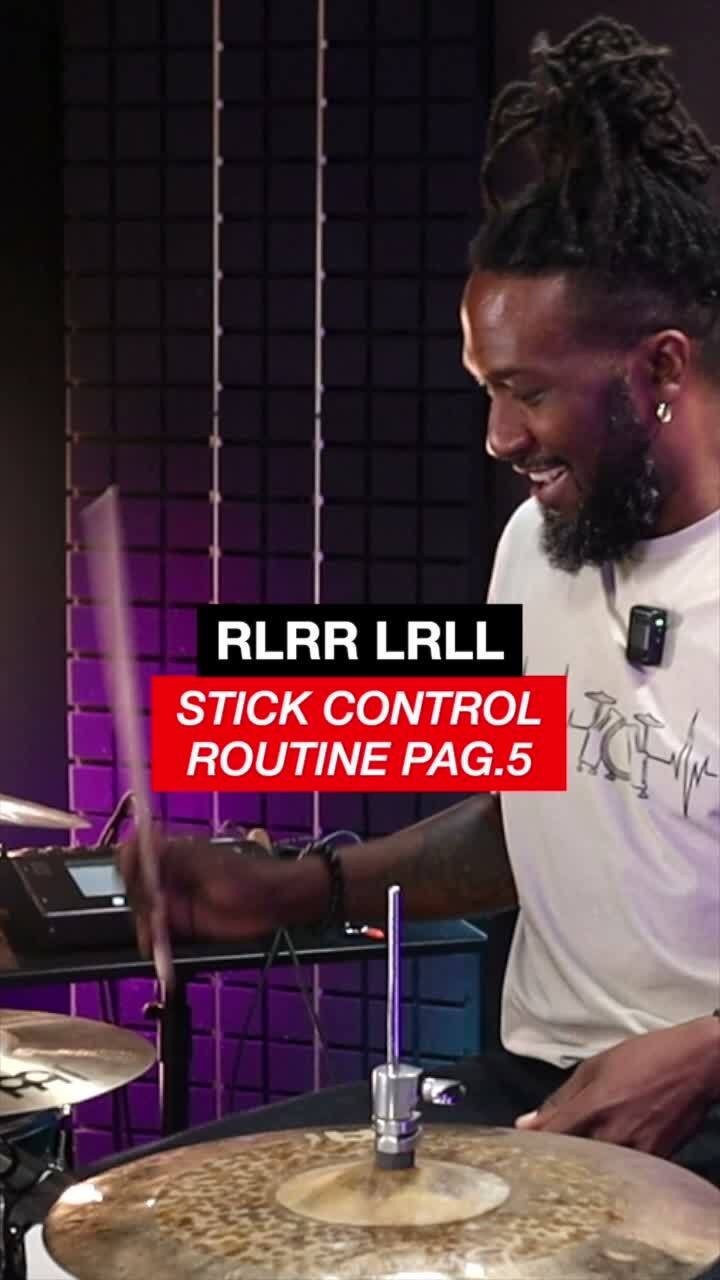
📖 page 5 of stone's stick control, the way rodney barreto drills it
@Corrado Bertonazzi
Corrado Bertonazzi spotlights Rodney Barreto's stick control routine, drilling exercises 5 through 8 from page 5 of George Lawrence Stone's Stick Control. These are the alternating sticking variations that sit just past the basic singles and doubles, the ones that quietly expose every weakness in your weak hand once you push the tempo.
Treat it the way Barreto frames it: slow metronome, eight bars per exercise, no stopping between, eyes off the hands. The point is not to blaze through page 5 but to keep the dynamics matched between right and left across all four patterns. Run it daily as a five minute warm up, and the rest of your practice session starts from a more honest place.
⏱️ a 5-minute chops warmup that sharpens your subdivision feel
@Victor Alencar
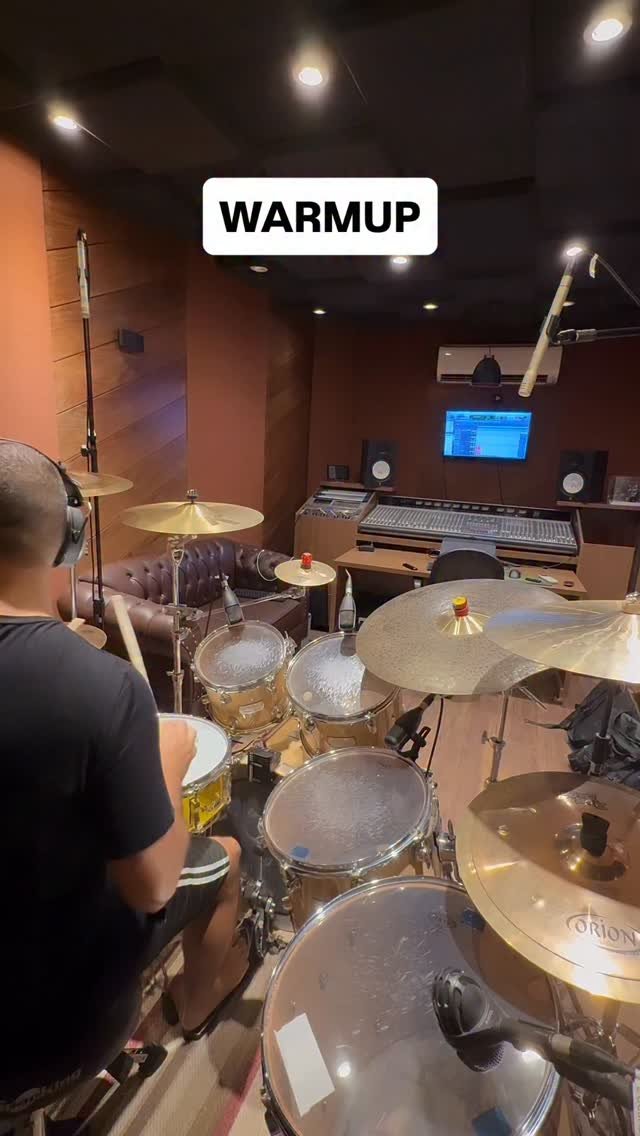
Victor Alencar flagged a chops warmup and the concept is simple enough to add to your routine today: cycle 16th-note groupings of 4, 5, 6, and 8 across the kit. Walk away knowing how to use odd groupings as a daily warmup that sharpens your hands, your subdivision feel, and your ability to phrase across the bar line.
Here is the idea in plain language. Keep a steady 16th-note pulse. Play four notes, then five, then six, then eight, looping the sequence with a consistent sticking. Because 4 and 8 line up with the downbeat but 5 and 6 do not, the accent naturally shifts around the bar. That is the whole point. Your ear learns where "1" is even when your hands are not landing on it. Start slow, somewhere around 60 to 70 bpm, with a metronome clicking quarters. Lock in alternating singles first (RLRL) before trying paradiddles or doubles. Once the groupings feel clean, move them around the kit: snare for 4, toms for 5, snare and floor for 6, full orbit for 8. The common mistake is rushing the 5s and 6s because they feel uneven. Trust the click and let the grouping breathe.
Spend five minutes a day on this and your subdivision vocabulary opens up fast.
⏱️ the boring exercise that saves drummers years
Dimitri Fantini spends nine minutes making the case for the exercise most drummers skip on the way to the fun stuff: slow, deliberate single strokes, focused on stick height, rebound, and the open/close mechanics that govern everything from buzz rolls to fast doubles. His pitch is simple. The reason your fast playing falls apart is not speed. It's that you never built the control at 60 bpm to support it.
Pair this with his open/close technique video and treat it as a metronome warm-up: five minutes a day at conversational tempos, watching the sticks rather than chasing the click. Boring is the point. The hands you want in two years are the ones you're shaping in the reps you'd rather scroll past.
🌎 From The Community
🎷 snarky puppy's pocket holds bob reynolds' outlier solo together
@Snarky Puppy
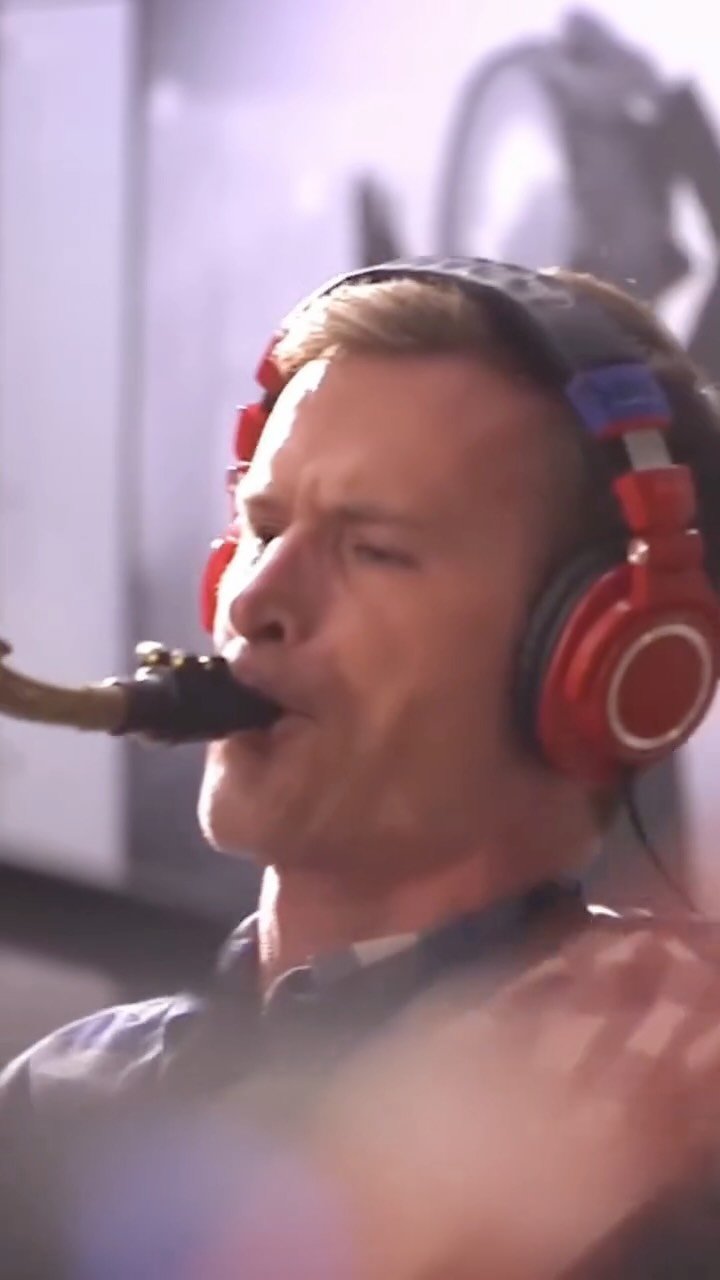
Snarky Puppy dropped a clip of Bob Reynolds tearing through his saxophone solo on "Outlier" from We Like It Here, posted to mark International Jazz Day. The reel has pulled 284K views in under a week, and while Reynolds steals the spotlight, the band's pocket is the real lesson for drummers studying how to hold a stretched-out solo together. Worth a close listen on headphones.
That's it for today! Thank you for carving out time to read! This community means a lot to me, and I'm grateful you're here. 🙏
If you have feedback, a story, or something you'd love to see in the newsletter, just reply to this email. I read every message and respond to each one.
Happy drumming,
Matteo