
Together with
Quick shoutout to something we made in-house: The Drummer's Rudiment Reference. It's a 4-page printable cheat sheet covering the 30 essential rudiments — sticking patterns, BPM targets, and skill tags all in one place, so you're not fumbling through five different tabs mid-practice.
I built it because I got tired of scribbling rudiments on the back of setlists. Tape it to your practice pad, drop it in a binder, keep it on your tablet — whatever works. If you've been meaning to actually sit down and shore up your rudiments this year, this is the shortest path from "I should" to "I am."

⚡ Quick Hits
🎶 carla williams grooves michael jackson, k light ride steals it
@Carla Williams
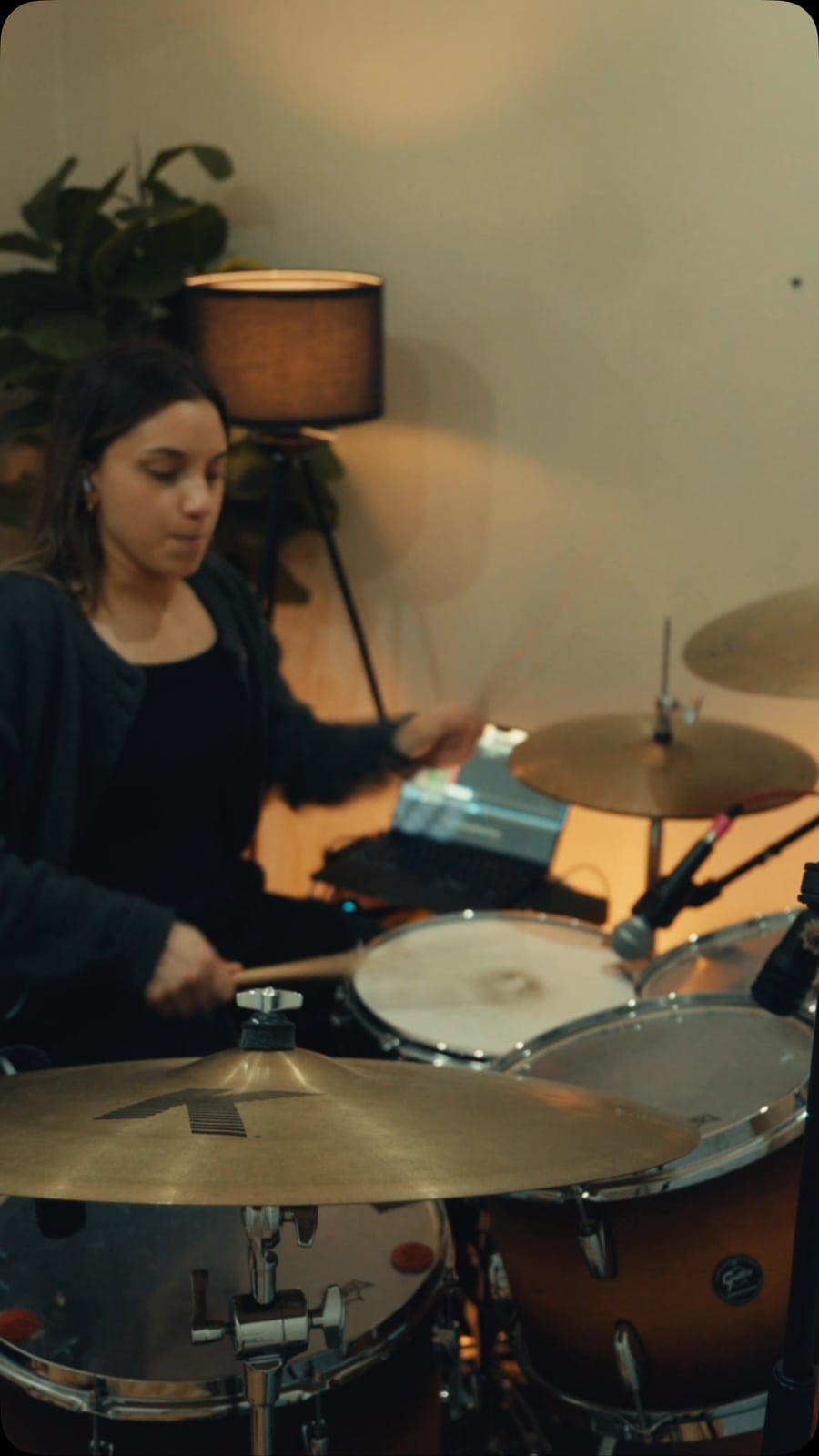
Carla Williams turns Michael Jackson into a groove study, spotlighting her Zildjian K Light Ride while riffing on the "black or white" question. The focus slips off her hands, but the ride cymbal steals the frame anyway, chiming through every ghost note. A quick, unfussy clip that lets the cymbal voice do the talking.
🧠 stop copying fills — learn the rlkk language instead
@Eddie Van Dongen | Creative Drum Coach
Eddie Van Dongen breaks down a slick fill built on RLKK in 16th note triplets, then flips the lesson: don't just copy it, internalize the sticking as a language you rearrange around the kit. It's a quick reframe from party trick to vocabulary. Worth a look if your fills feel like recycled Reels.
🎯 pavel mamonau improvises to a 135 bpm groove click
@Pavel Mamonau
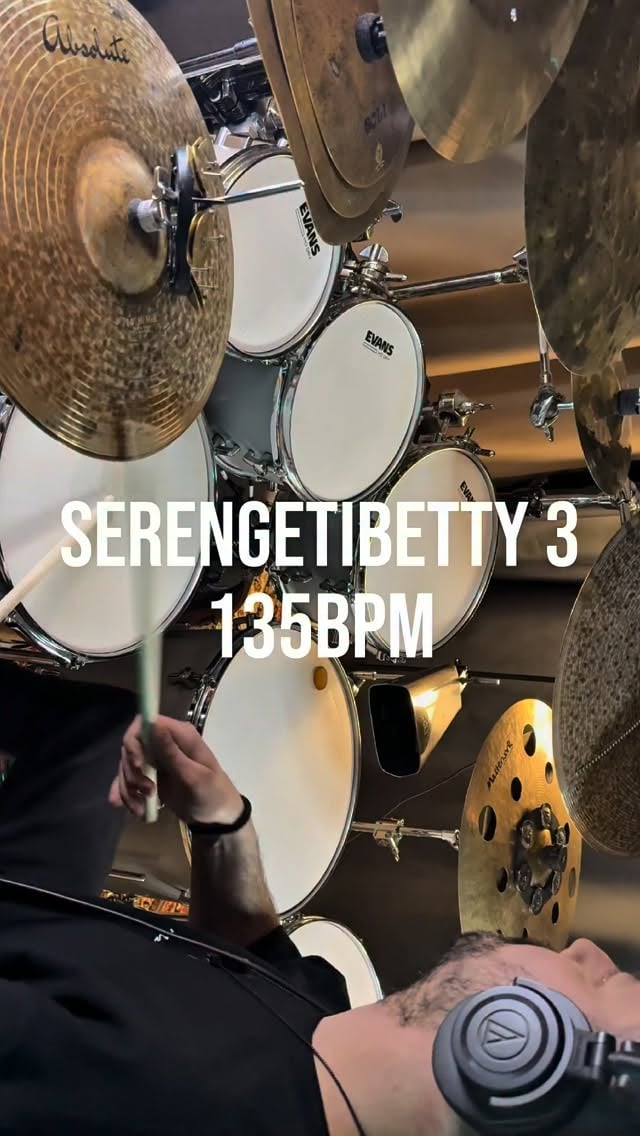
Pavel Mamonau builds a spontaneous solo over grooveclix's "Serengeti Betty" at 135 BPM, letting the pulse dictate every phrase instead of forcing ideas on top of it. The result shows what happens when you react to feel rather than count: looser phrasing, sharper timing, and a take you couldn't repeat if you tried. Worth watching if you want to sharpen your groove-click practice.
🛒 Gear Picks
⚡ drum triggers explained, for the "that's cheating" crowd

66Samus breaks down the drum trigger in a quick metal-focused explainer, aimed at the crowd that still calls them cheating. The pitch is simple: a trigger is a sensor mounted to your kick, snare, or toms that fires a sampled sound the moment the head is struck, giving you consistent attack and articulation no matter how fast or quiet you play.
For metal drummers chasing audible double-kick at gig volume, that consistency is the whole point. Triggers do not replace your playing, they translate it. If your gear list runs toward blast beats and gravity rolls, this is a tidy primer on why the tech earns its place in a modern rig.
🧺 the $25 machine-washable drum rug that grips hard floors
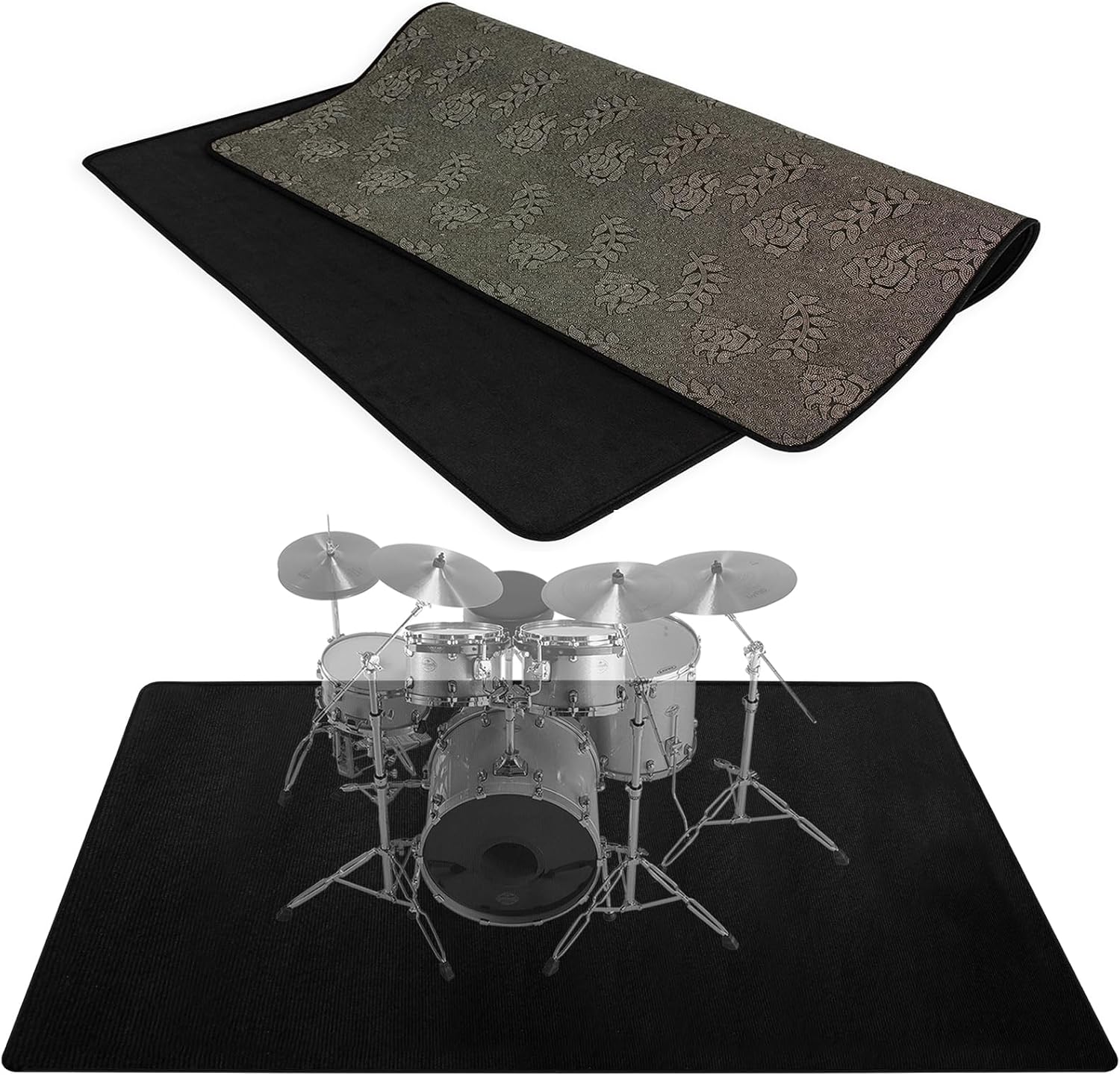
The IBVIVIC drum mat gives you a 4 by 5.3 foot footprint of tightly woven fabric with a latex-dot rubber backing, sized to fit most standard four and five piece kits with room for a hi-hat and double pedal. The weave lets stands and spurs dig in for grip, while the rubber underside holds position on hard floors. Corner anti-slip pads come in the box for extra stability on slick surfaces.
Practical touches make this one worth a look for practice rooms and small gigs. The whole rug is machine washable with regular detergent, so basement dust and stick shavings come out easily. Ships folded, so expect creases on arrival. An iron or a wash and tumble dry flattens it. Larger 4.6 by 6 and 5.2 by 6.6 foot options are available if you run a bigger kit.
🌊 Deep Dives
📚 40 grooves every session player leans on
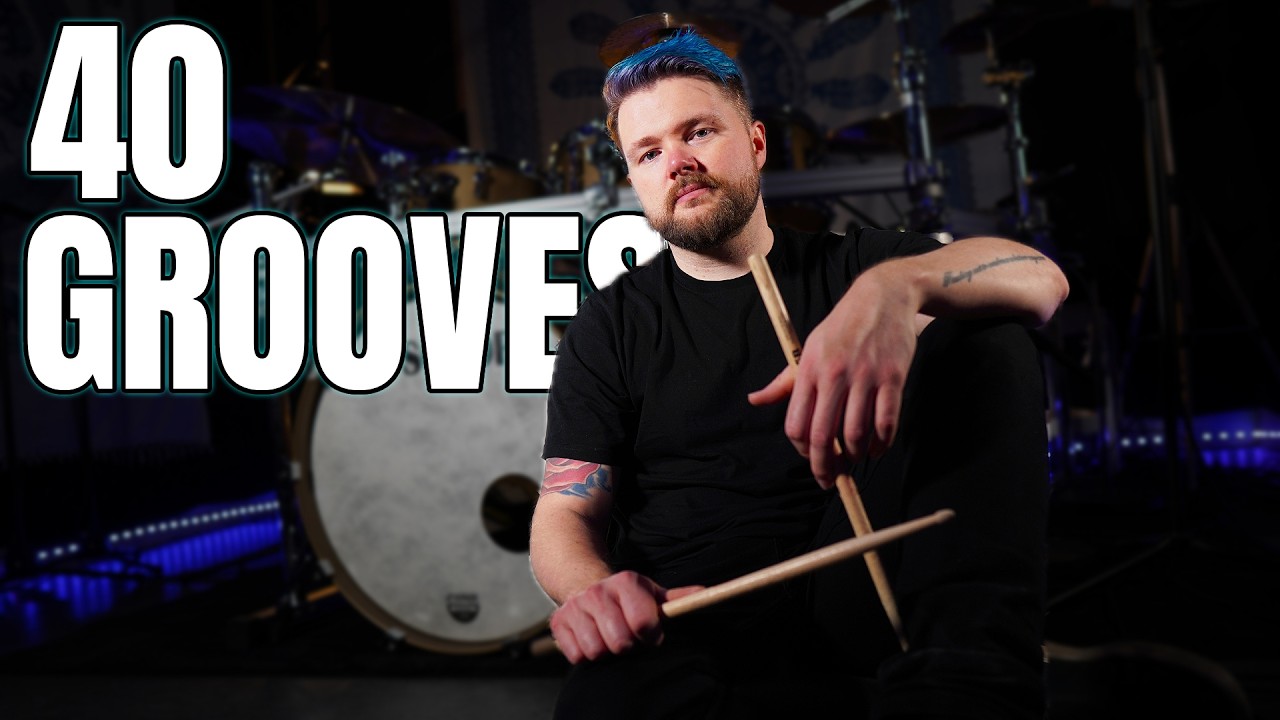
That Swedish Drummer lays out 40 foundational grooves in one sitting, working through patterns that show up again and again in pop, rock, and R&B sessions. The premise is simple. Before you chase chops or odd meters, you owe it to the music to command the vocabulary session players lean on.
Sit with this one at the kit, not on the couch. Loop the grooves you find shaky, work them to a click, then push them through different tempos and dynamics. Treat it as a self-audit of your groove library. The gaps you find are your practice list for the next month.
🧠 five patterns that expose how your hands really behave
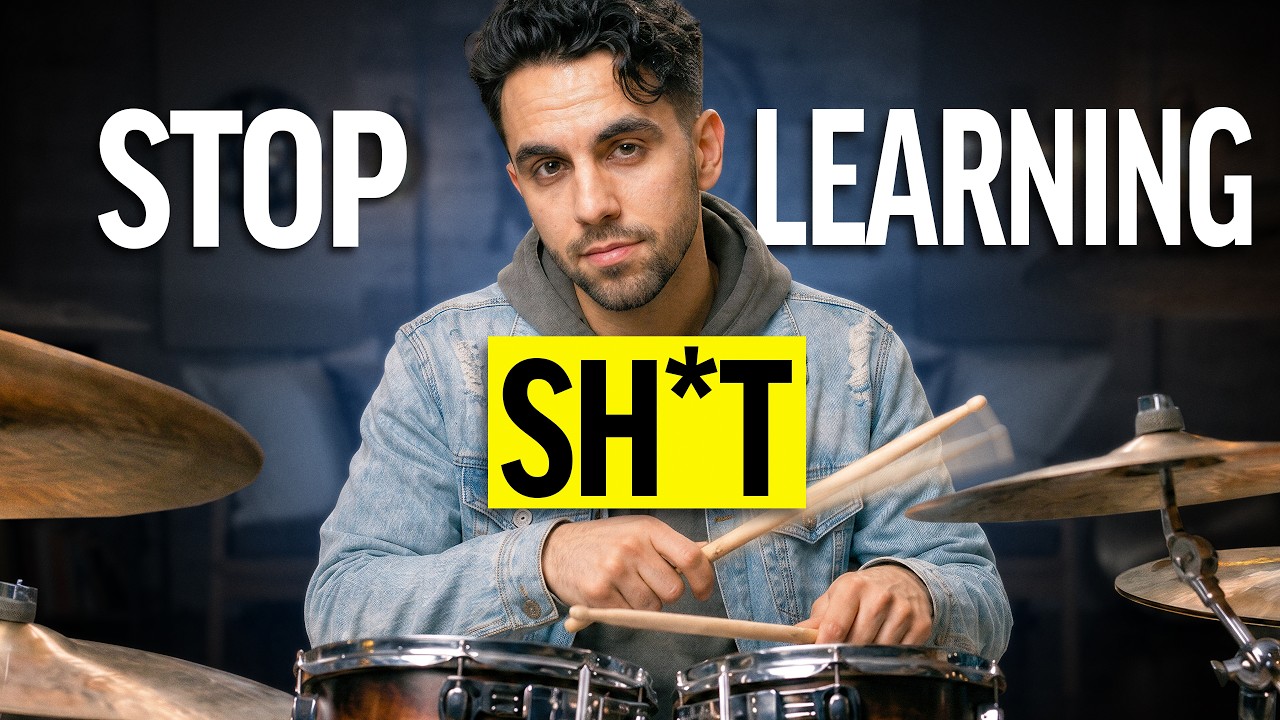
Drum Beats Online walks through five patterns worth living with, and the sequencing tells you where the payoff is. You start with dynamic control, move into a linear groove, then hit what he calls the Slow The F*CK Down Chop, a reminder that most players skip the tempo where the pattern actually locks in.
From there it builds toward the ABC System and a final exercise that fuses grooves and fills into one continuous idea. He closes with hand technique fixes, which reframes the whole video: these are not licks to collect, they are diagnostics for how your hands behave under pressure. Sit with it, grab the free notation, and pick one pattern to actually loop this week.
🎓 Practice & Skills
✏️ stuck in a groove rut? write your way out
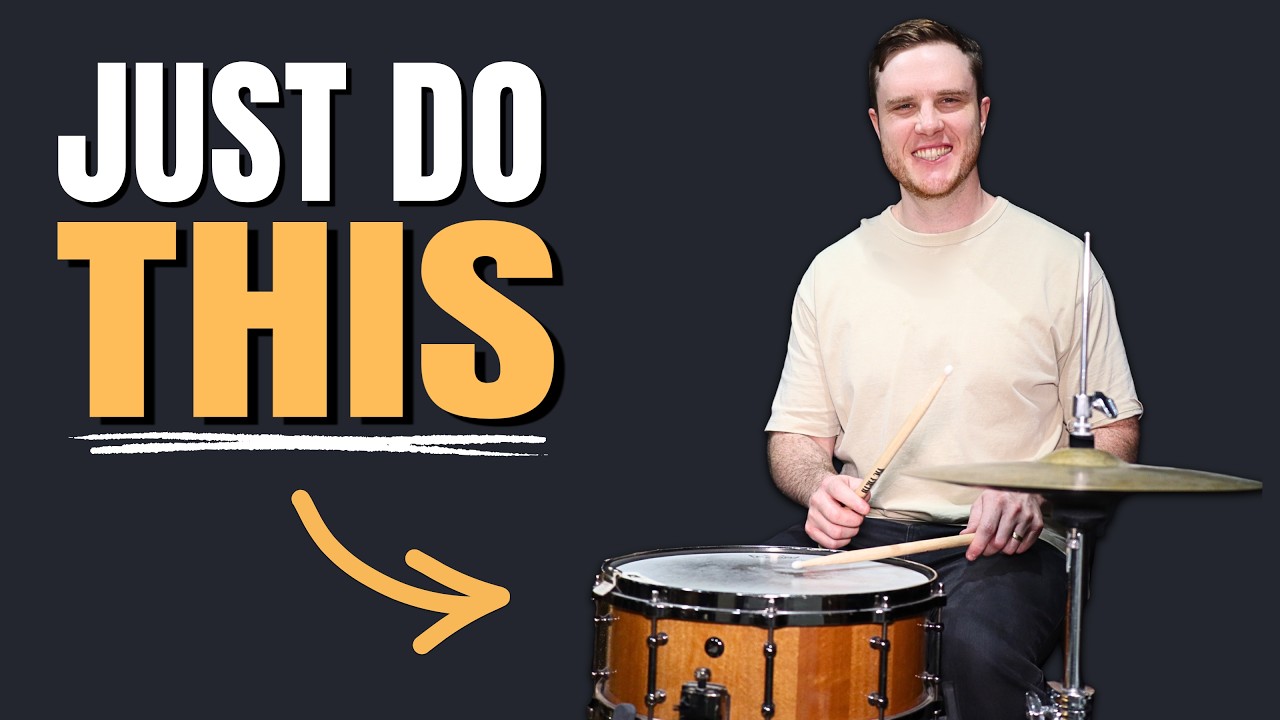
Better Drumming tackles a problem every player hits eventually: your grooves start sounding like the same groove wearing different shirts. The fix in this lesson is a writing exercise, not a chops exercise. You walk away with a repeatable process for generating fresh variations from grooves you already play.
The method has three moves. Pick one groove you lean on, then write out variations on paper before you sit at the kit. Shift a kick, drop a snare, move a hi-hat accent, displace something by an eighth. Writing forces choices your hands would skip past on autopilot. Once you have a handful of variations, integrate them into your actual playing so they stop being exercises and start being vocabulary. The video closes with three exercises to run the process through.
Try this today. Take the groove you played on the last three things you tracked or jammed on. Write five variations, changing only one voice at a time so you hear what each move does. Loop each one at a slow tempo until it feels like yours, then string them together over a longer form so transitions get reps too. The common mistake is changing too much at once and ending up with five grooves that sound unrelated to the original. Keep the DNA, move one gene. The takeaway: variation is a writing habit before it's a playing habit.
🎯 one rudiment, six grooves — just move the accent
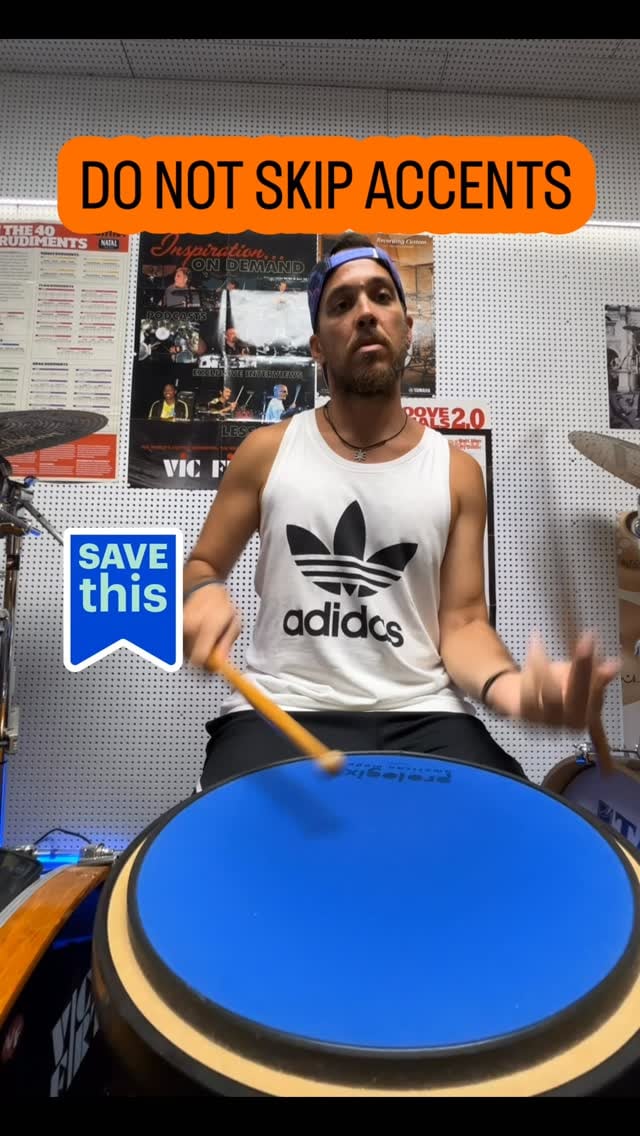
@𝕍𝕒𝕤𝕚𝕝𝕚𝕤 𝕋𝕤𝕒𝕔𝕙𝕣𝕒𝕤
Vasilis Tsachras takes one rudiment, the paradiddle diddle, and reshapes its whole feel by moving a single accent. His lesson is a reminder that where you put the emphasis matters as much as what you play.
The paradiddle diddle is RLRRLL (or LRLLRR). Most drummers accent the first stroke out of habit, which gives it a downbeat, marching pulse. Tsachras shifts the accent to the second stroke, and the groove flips. The pattern starts to lean and swing instead of sitting square. Try it on a pad first. Play the rudiment slow, around 60 to 80 bpm, and only accent stroke two. Keep the other five strokes low and even. That contrast between the accented tap and the ghosted surrounding notes is where the feel lives. Once it locks in, move it around the kit. Send the accent to a tom or the snare rim while the diddles stay on the snare. Then try accenting stroke three, stroke four, and so on. Each position gives you a different rhythmic personality out of the same sticking.
Common mistake: rushing the diddles to reach the next accent. Let the doubles breathe. The takeaway: one rudiment, six accent positions, a different groove waiting at each one.
That's it for today! Thank you for carving out time to read! I'm grateful you're here. 🙏 If you'd like to support the newsletter, consider joining our premium tier.
If you have feedback, a story, or something you'd love to see in the newsletter, just reply to this email. I read every message and respond to each one.
Happy drumming,
Matteo