
Together with
The 4-page rudiment cheat sheet I wish I'd had when I started
I made this because I got tired of seeing drummers (myself included, for years) sit down to practice rudiments and immediately stall on the same question: which ones, and how fast? So I built a 4-page printable cheat sheet that covers 30 essential rudiments across three focused sheets — The Essential 10, Rolls & Diddles, and Flams & Drags — each with sticking notation, beginner and intermediate BPM targets, a skill focus tag, and a "My BPM" column so you can track where you actually are.
Print it, tape it above your kit or practice pad, and you've got a clear answer to "what should I work on today" for the next year or two. Grab it here for the price of a coffee.
⚡ Quick Hits
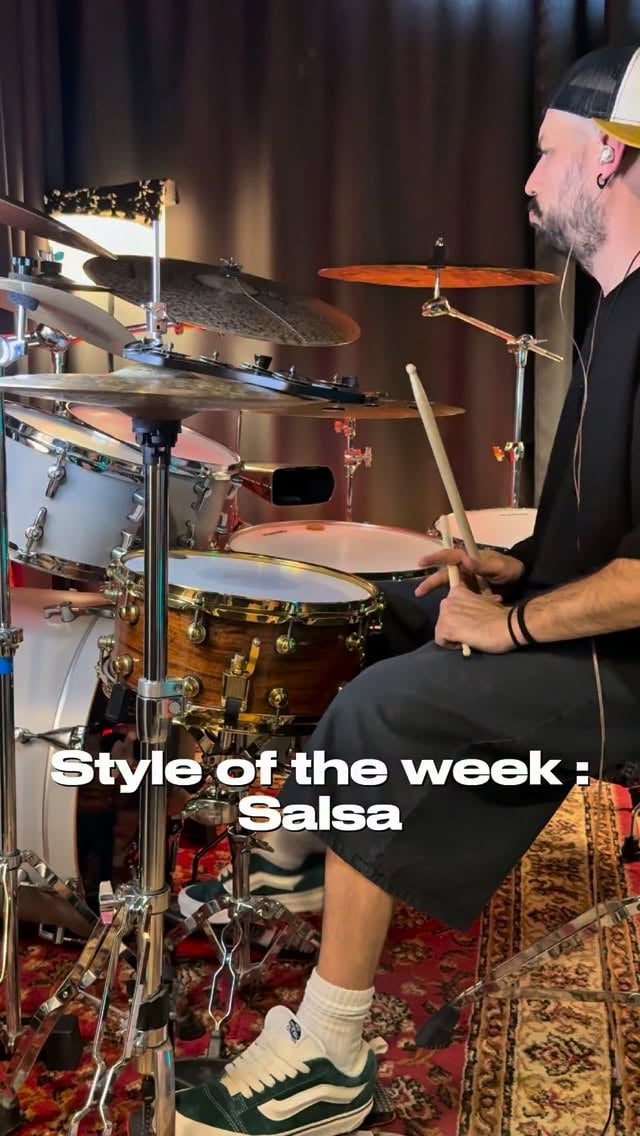
🌶️ salsa coordination puzzle: four limbs, four clave parts
@Pavel Mamonau
Pavel Mamonau's Style of the Week reel takes on salsa with a four-limb coordination puzzle: right hand on 2/3 cascara, left on 2/3 son clave, right foot riding tumbao, left foot tapping 3/2 son clave. Four independent parts, one Afro-Cuban groove, and a genuinely brutal test of independence. Worth a watch even if you only attempt it from the couch.
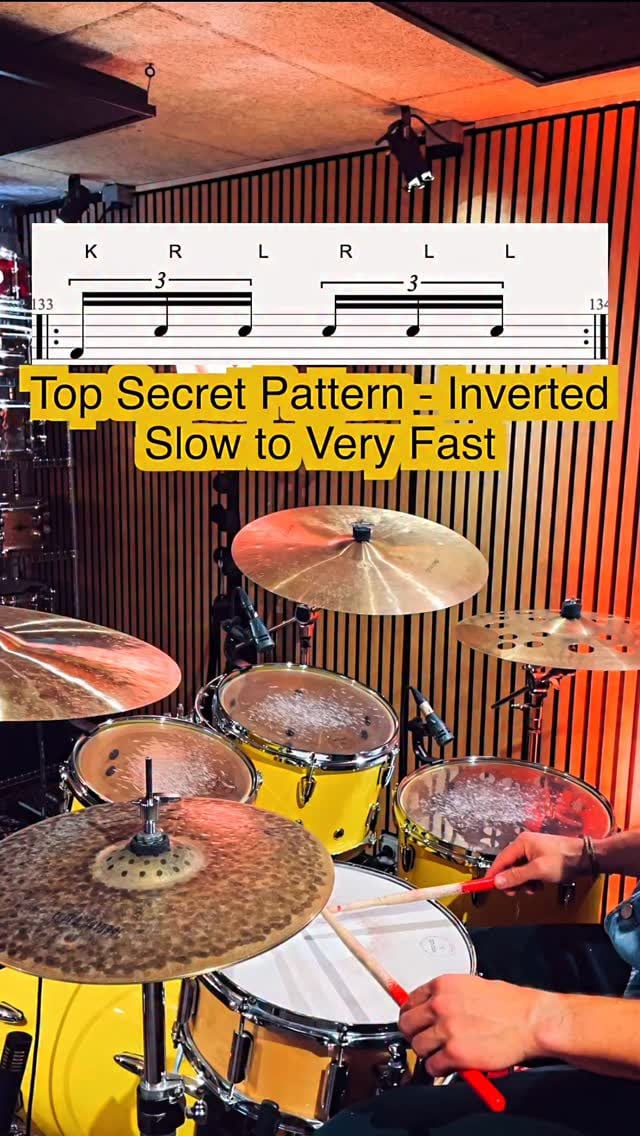
🔄 claus thylstrup flips his secret pattern, kick-first
@• CLAUS ~ THYLSTRUP •
Claus Thylstrup flips his "secret pattern" inside out, this time anchoring the kick at the front of the phrase and opening up a fresh set of orchestration options. He demos it on his Drumlimousine custom kit in agathis and cherry, framing the inversion as a launchpad for your own variations rather than a finished lick. A tidy idea worth stealing for the practice pad.
🛒 Gear Picks
💥 zildjian's 16" trash crash: distortion pedal for your accents

Zildjian's S Family 16" Trash Crash is the kind of effect cymbal that earns its keep when a standard crash starts feeling too polite. Built from B12 alloy with symmetrical hammering and traditional lathing, it leans thin and loose, throwing off a short, trashy white-noise wash that sits in the mix rather than dominating it. Think distortion pedal, but for your right-hand accents.
It's priced as a low-risk add to an existing setup rather than a centerpiece purchase. Good fit for rock, metal, or pop drummers who want a quick, cutting effect stacked over a hat or layered on a main crash without dropping china-money on the experiment.
🪵 a 10mm beech stave snare, tested with zero studio tricks
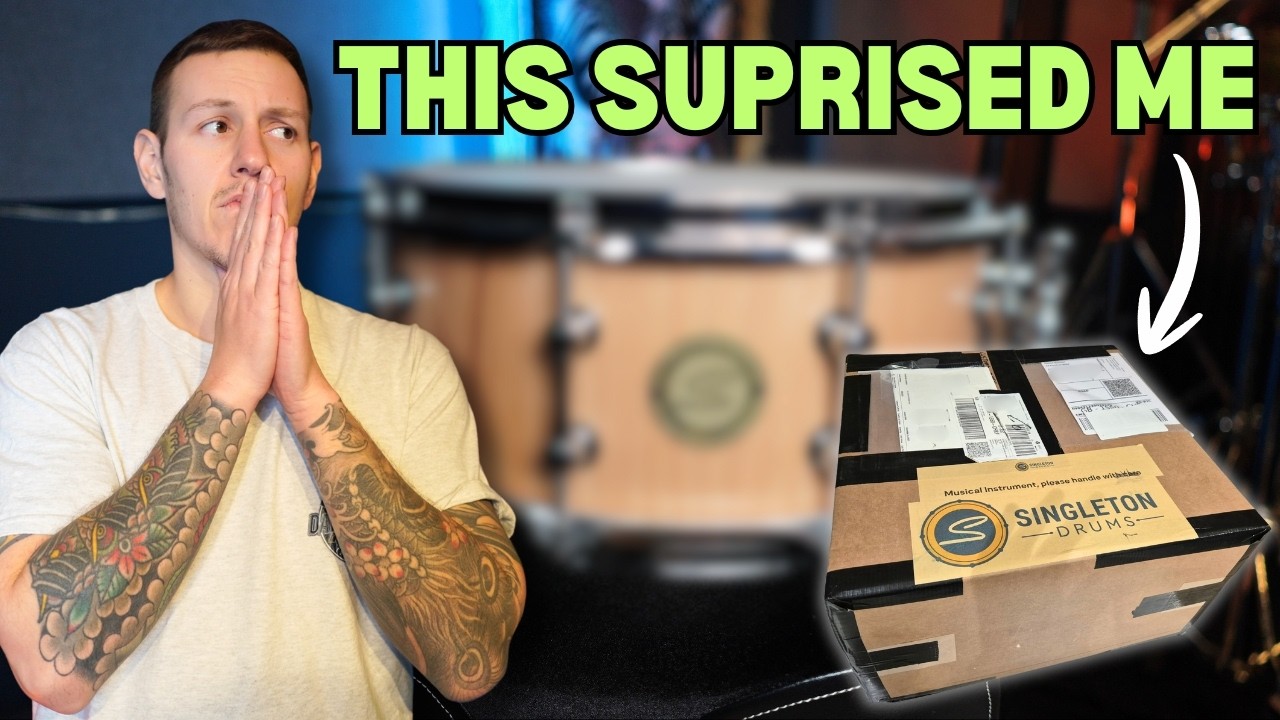
Singleton Drums sent Gideon Waxman a prototype 10mm beech stave snare, and the unboxing turns into a proper sound test rather than a hype reel. He runs the drum through medium, high, and low tensions, all captured clean with no samples or triggers, so what you hear is what the shell actually does.
Beech is the less-talked-about cousin of maple and birch in stave construction, and a thinner 10mm wall tends to open up resonance and low-end warmth. Waxman's verdict, plus a hint at a giveaway down the line, makes this a useful eight minutes if you've been curious about boutique stave builds without the usual marketing gloss.
🌊 Deep Dives
🐍 larnell lewis turns snarky puppy's "recurrent" into a 6-minute masterclass
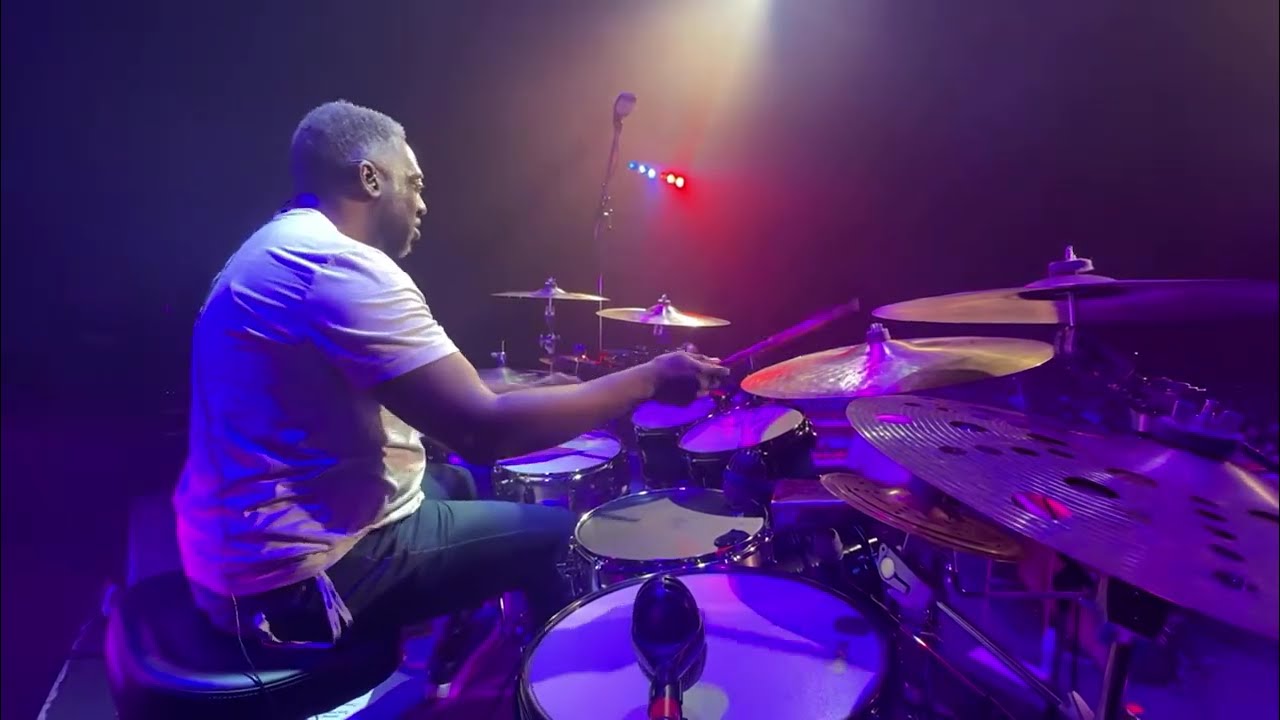
Larnell Lewis turns his "Recurrent" solo into a six-minute masterclass on Snarky Puppy's Osaka stop, navigating a sprawling Yamaha Live Custom Hybrid Oak kit that includes three snares (a 14x5.5 aluminum main, a 14x7 deep steel, and a Hybrid Oak aux) and a Zildjian setup stacked with Trashformers, EFX splashes, and a 22" K Constantinople Renaissance ride.
What makes it worth the full sit is Lewis's pacing: the way he threads gospel chop vocabulary through fusion phrasing, leans on independence to keep an inner pulse while the hands wander, and uses that color palette of trashy stacks and dry hats as actual compositional voices rather than decoration. A reminder that a great solo inside a Snarky set is still arrangement, not just display.
🎓 Practice & Skills
🌶️ paradiddles aren't warm-ups, they're groove vocabulary
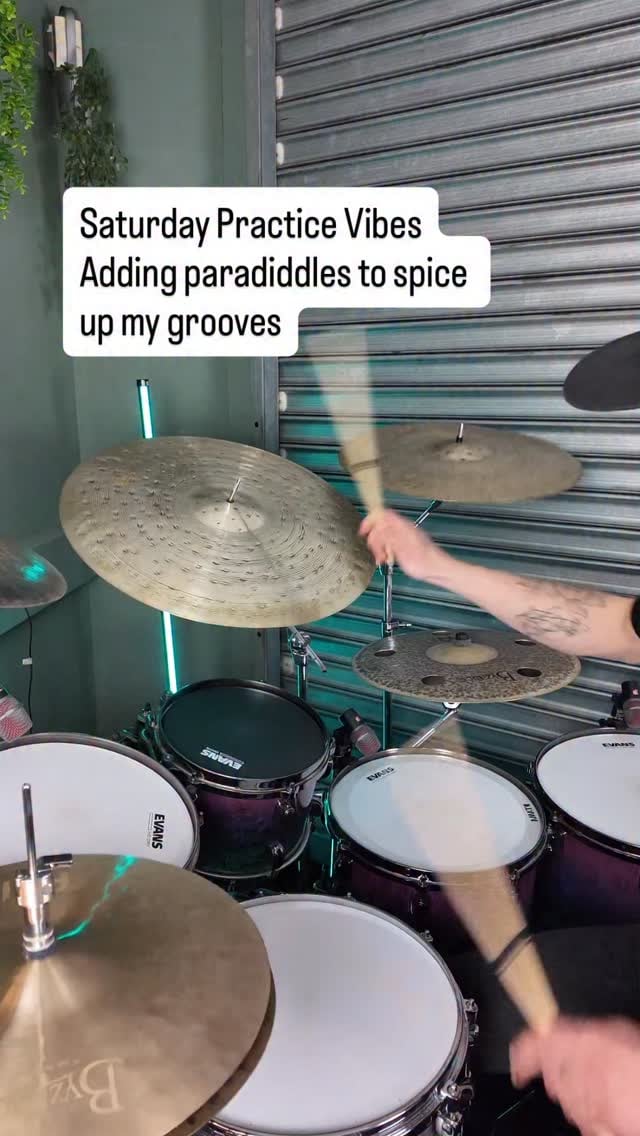
@Eddie Van Dongen | Creative Drum Coach
Eddie Van Dongen wants you to stop filing paradiddles under "warm up" and start hearing them as groove material. His pitch in this clip is simple: the same RLRR LRLL you grind through on a pad is a hidden engine for grooves and fills, and once you can spot it in real playing, you start writing with it instead of just drilling it.
Here is the angle to take into the practice room today. Play a standard paradiddle at a slow tempo, around 80 bpm, hands only, and get it clean. Then orchestrate. Move the right hand to the hi-hat and let the left stay on the snare, with the snare accenting beats 2 and 4 — the unaccented lefts become built-in ghost notes, and suddenly you have a funk groove. Next, send a left-hand accent to a tom and you have a fill fragment. Try the inverted sticking too, RLLR LRRL, which voices differently around the kit. Common mistake to avoid: rushing the doubles. The two consecutive strokes on the same hand are where the groove either breathes or collapses, so keep them even in volume and spacing before you speed up. Apply it to something you already play. Drop a paradiddle orchestration into the verse of a tune this week and see if anyone notices the rudiment underneath.
The takeaway: paradiddles are not homework, they are vocabulary. Use them.
👻 mike johnston's 3 grooves that expose your weak hand
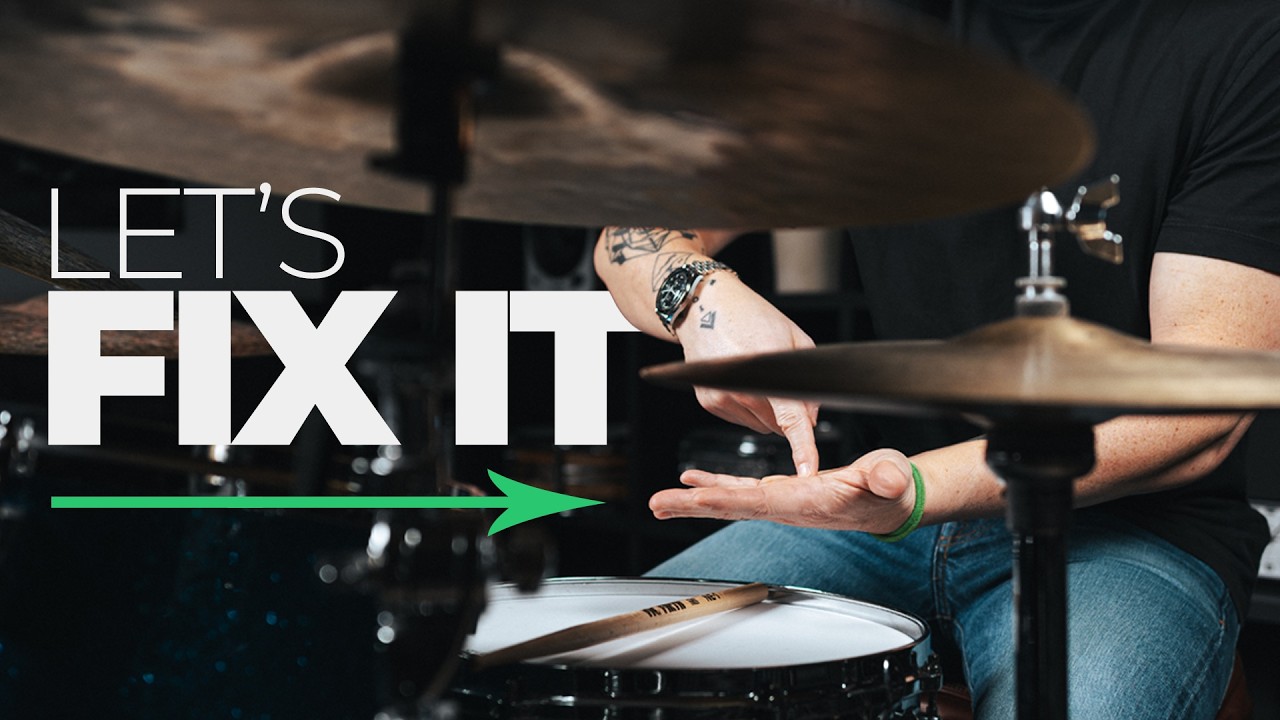
Mike Johnston has built a lesson around a question most of us flinch from: do you actually control your ghost notes and accents on your weak side, or are you just hoping they land? His new clip lays out three intermediate-to-advanced grooves engineered to expose that exact gap, and by the end you'll have a clearer read on whether your left hand (or right, for lefties) is a partner or a liability.
Before you touch the grooves, Mike opens with a prerequisite test, which is the move to copy today: confirm your weak hand can produce a real dynamic spread between an accent and a ghost note in isolation before you try to bury it inside a pattern. From there, the three grooves each pressure-test something different. Groove 1 puts dynamics and diddles under the microscope, so your weak hand has to articulate cleanly at low volume without the diddle collapsing. Groove 2 leans on texture and what he calls the "big kid" ghost note, the kind that's quiet but still present, not a flam, not a whisper. Groove 3 is the gut check: a left-hand lead pattern sitting over a kick pattern Mike flags as deceptively hard. Start each one painfully slow, loop four bars at a time, and record yourself. The mistake to avoid is chasing tempo before the dynamic gap between accent and ghost is real and repeatable.
Takeaway: your weak hand doesn't need more speed, it needs more care, and these three grooves will tell you exactly where the care is missing.
That's it for today! Thank you for carving out time to read! I'm grateful you're here. 🙏 If you'd like to support the newsletter, consider joining our premium tier.
If you have feedback, a story, or something you'd love to see in the newsletter, just reply to this email. I read every message and respond to each one.
Happy drumming,
Matteo